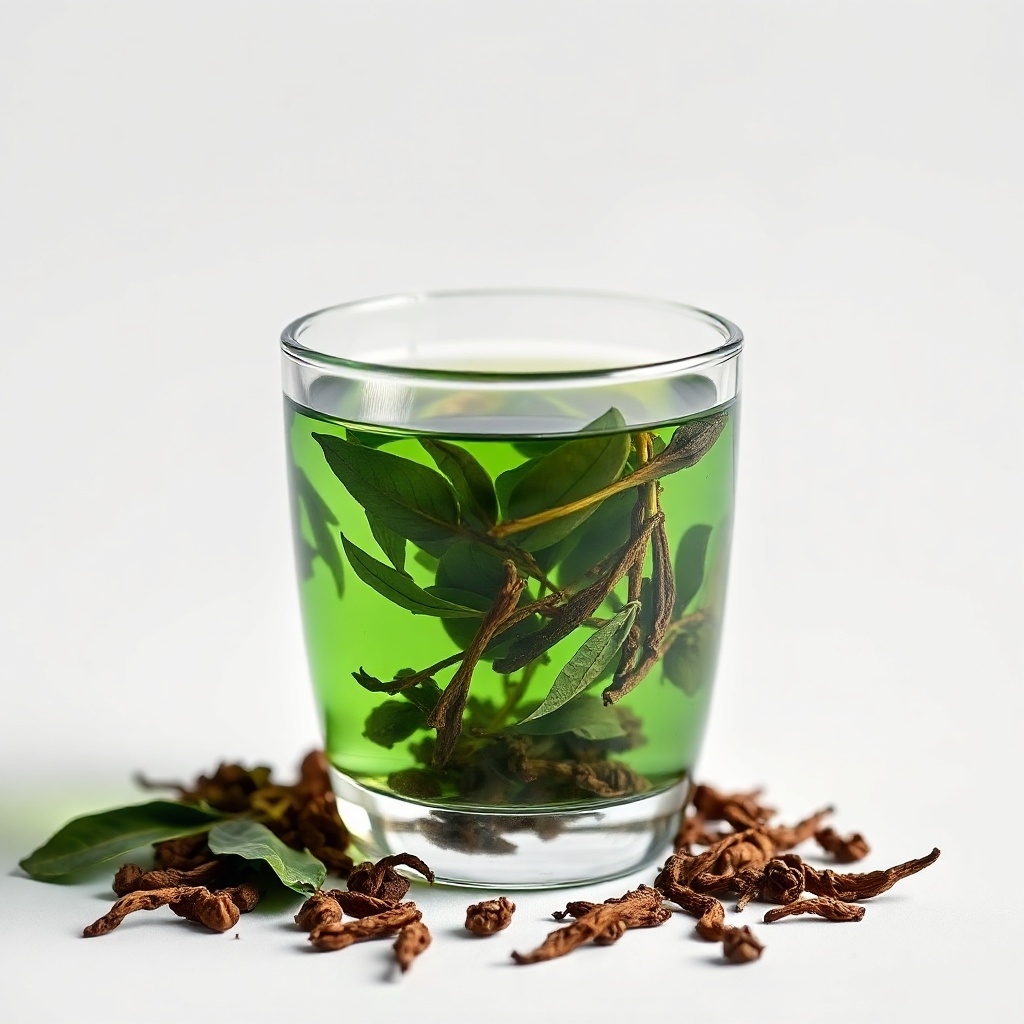

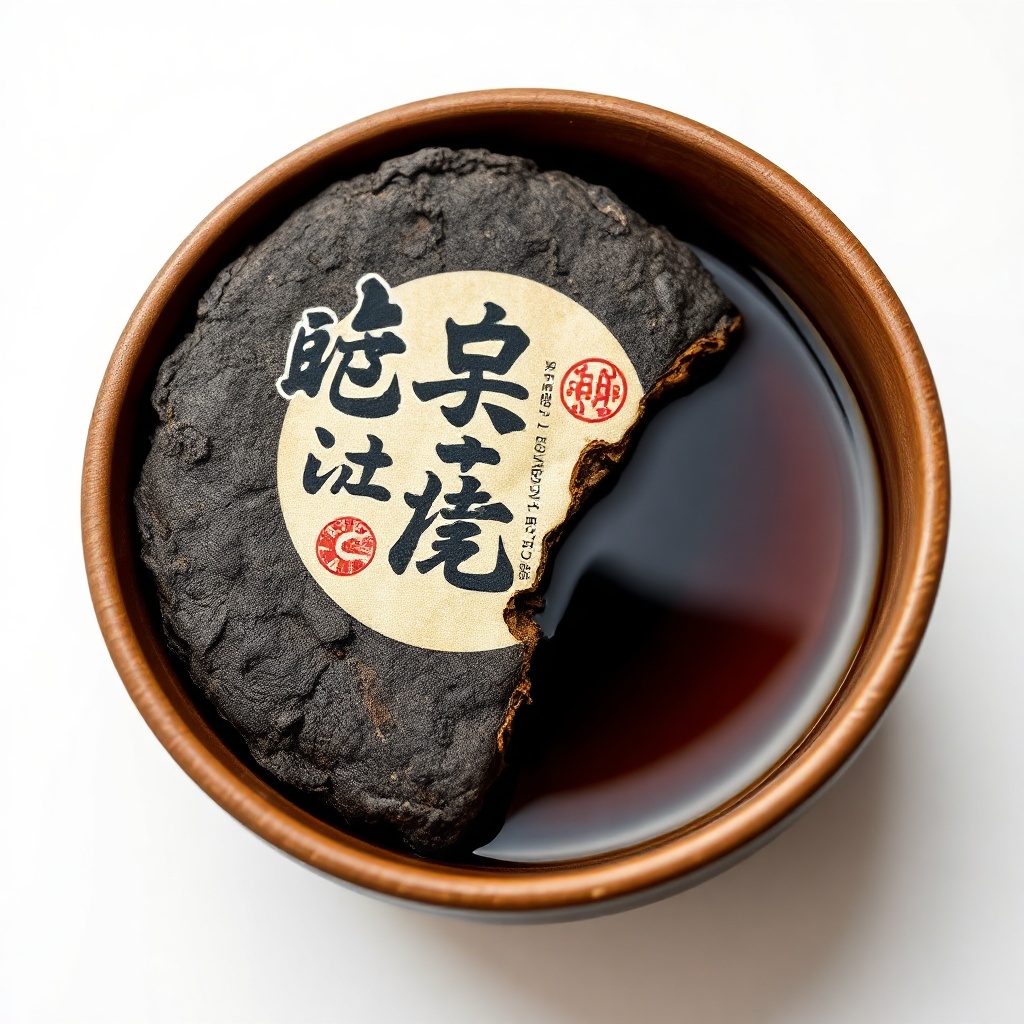
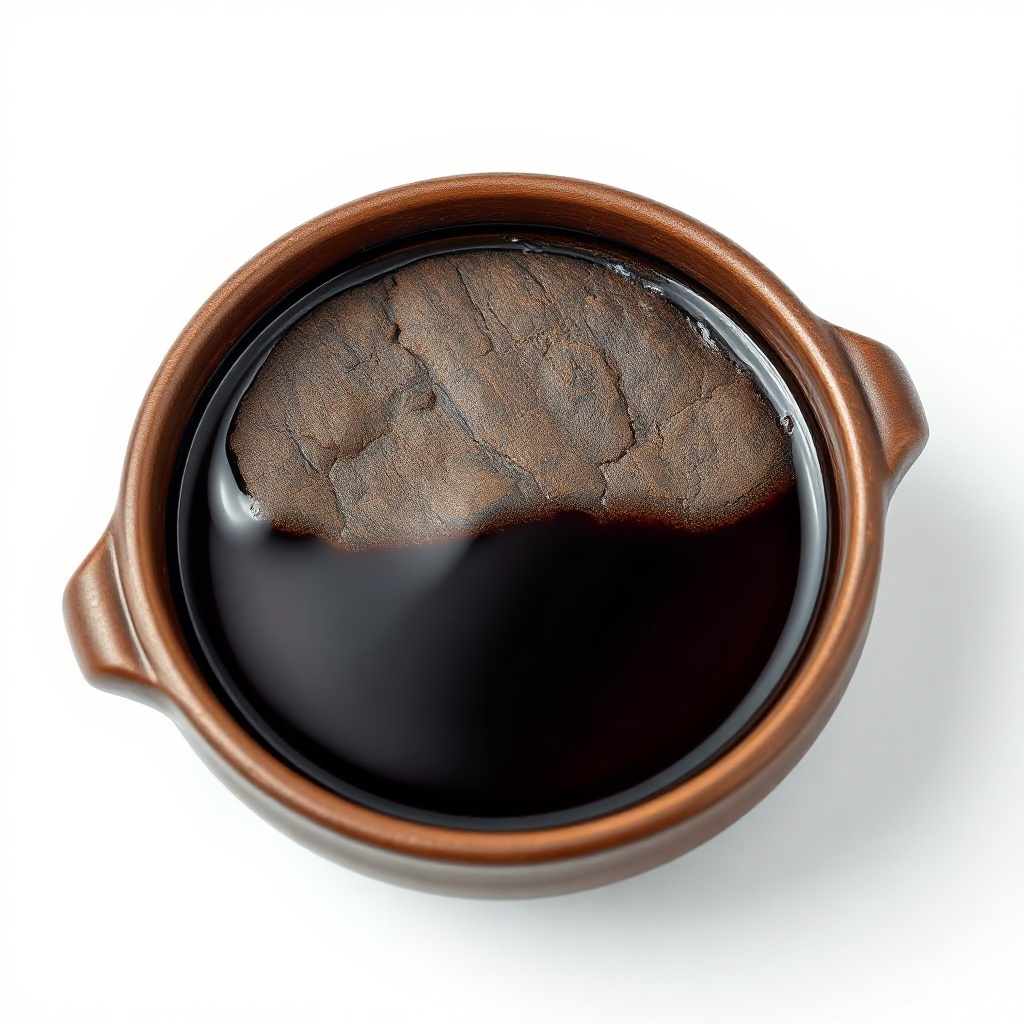
Tea won't replace diet and exercise, but the research on green tea catechins (especially EGCG), pu-erh polyphenols, and oolong's combination of caffeine + L-theanine is solid enough to be worth integrating into a real weight-management plan. Effect size is modest — typically 1-2lbs over 12 weeks of meaningful daily intake — but compounded with diet and exercise, it adds up.
The mechanism
Green tea catechins inhibit catechol-O-methyltransferase (COMT), which raises norepinephrine levels and slightly increases fat oxidation. Pu-erh polyphenols modulate gut microbiome composition (specifically Bacteroidetes/Firmicutes ratio) toward leaner phenotypes in animal studies. Oolong's caffeine + L-theanine combination modestly raises metabolic rate.
What dose actually matters
Studies that show effects use 4+ cups per day of green tea (about 600mg EGCG total) or 3+ cups of pu-erh. One bag of grocery-store green tea per day is functionally homeopathic. If you're drinking tea for weight management, drink it like medicine: 3-4 cups per day, every day, for 8+ weeks.
What doesn't work
- Marketing-driven "skinny" or "detox" teas with senna or other laxatives — fast water-weight loss, no real fat loss, GI distress
- Drinking sweetened bottled green tea (Snapple, Honest Tea) — sugar offsets any catechin benefit
- Using tea as a meal replacement — calorie restriction effects come from the diet, not the tea
What does work
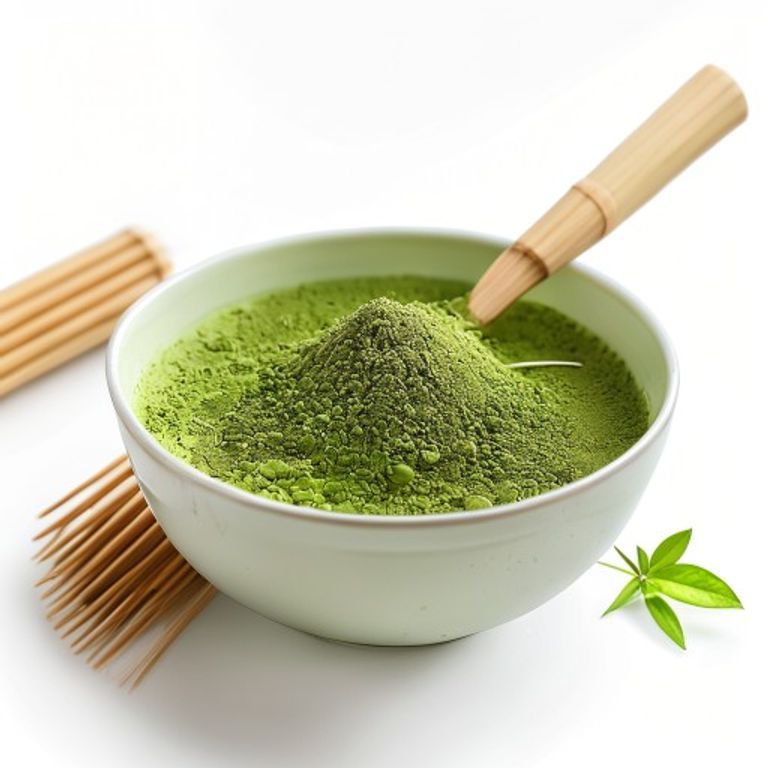
Daily habit-stacking: 1 cup matcha at 9am (focused work + EGCG), 1 cup green tea at 2pm (afternoon hydration + EGCG), 1 cup pu-erh after dinner (digestion + polyphenols). Three teas, three different times, each reinforcing your overall metabolic health practice.