Best Tea Bags earns commissions when you buy through links on this site, at no extra cost to you. Read full disclosure.
Best Tea Bags Editors
Best Pu Erh Tea (2026)
Pu-erh is fermented, aged tea from Yunnan Province — the only tea that genuinely improves with age (some 30-year-old cakes sell for thousands). There are two styles: sheng (raw) pu-erh ages slowly over decades into a sweet, smooth, complex brew; shou (ripe) pu-erh is artificially fermented in a 45-day pile-fermentation process to produce a darker, earthier, immediately-drinkable cup.
10 found
#1Save 17%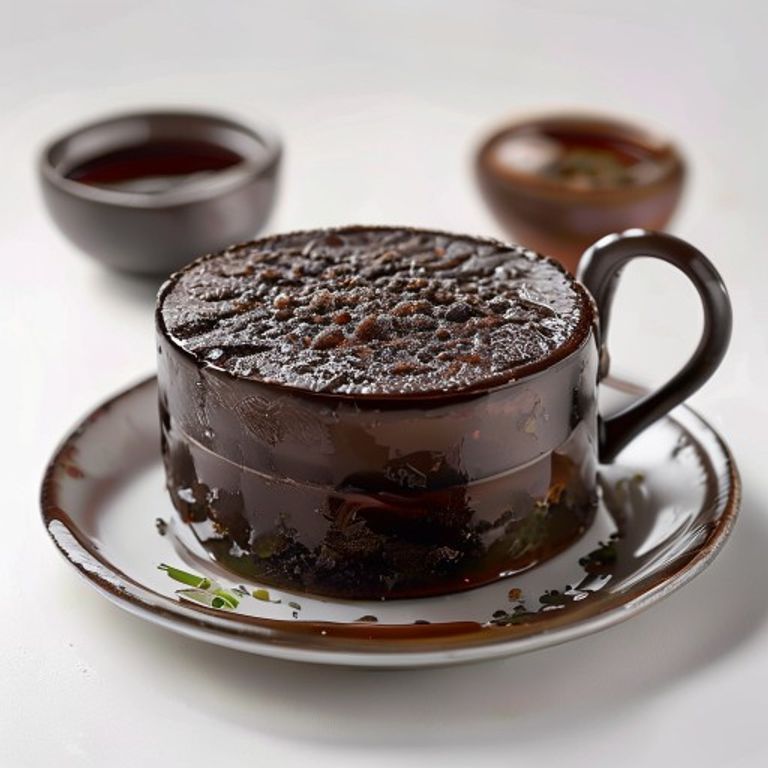
Menghai Tea Factory
Menghai 7572 Ripe Pu-erh Cake, 357g
4.9(188)
From$41.57$50.00
Compare at 2 retailers →
#2Save 15%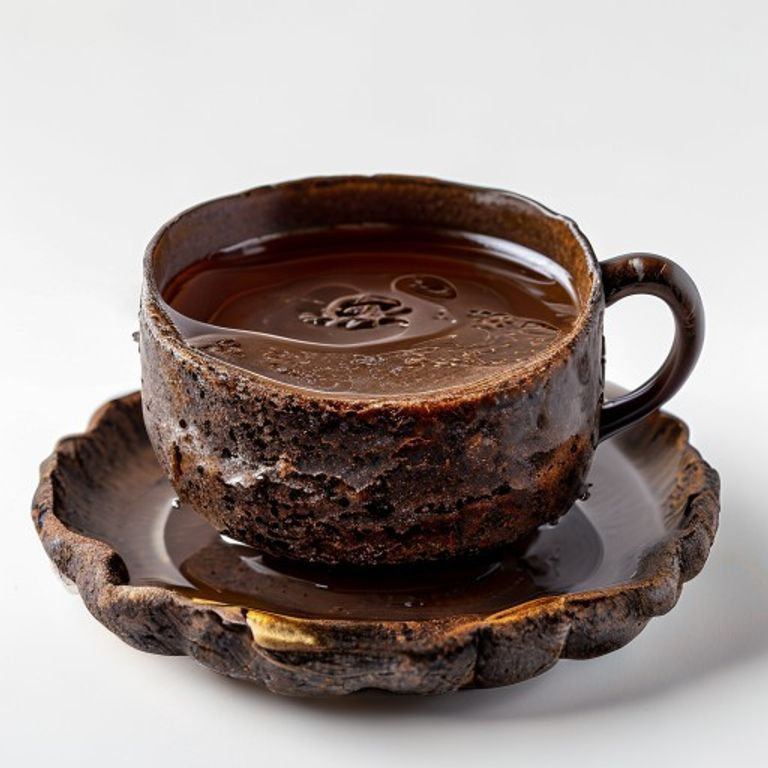
Tealyra
Tealyra Yunnan Pu-erh Cake, 100g
4.8(412)
From$23.67$28.00
Compare at 2 retailers →
#3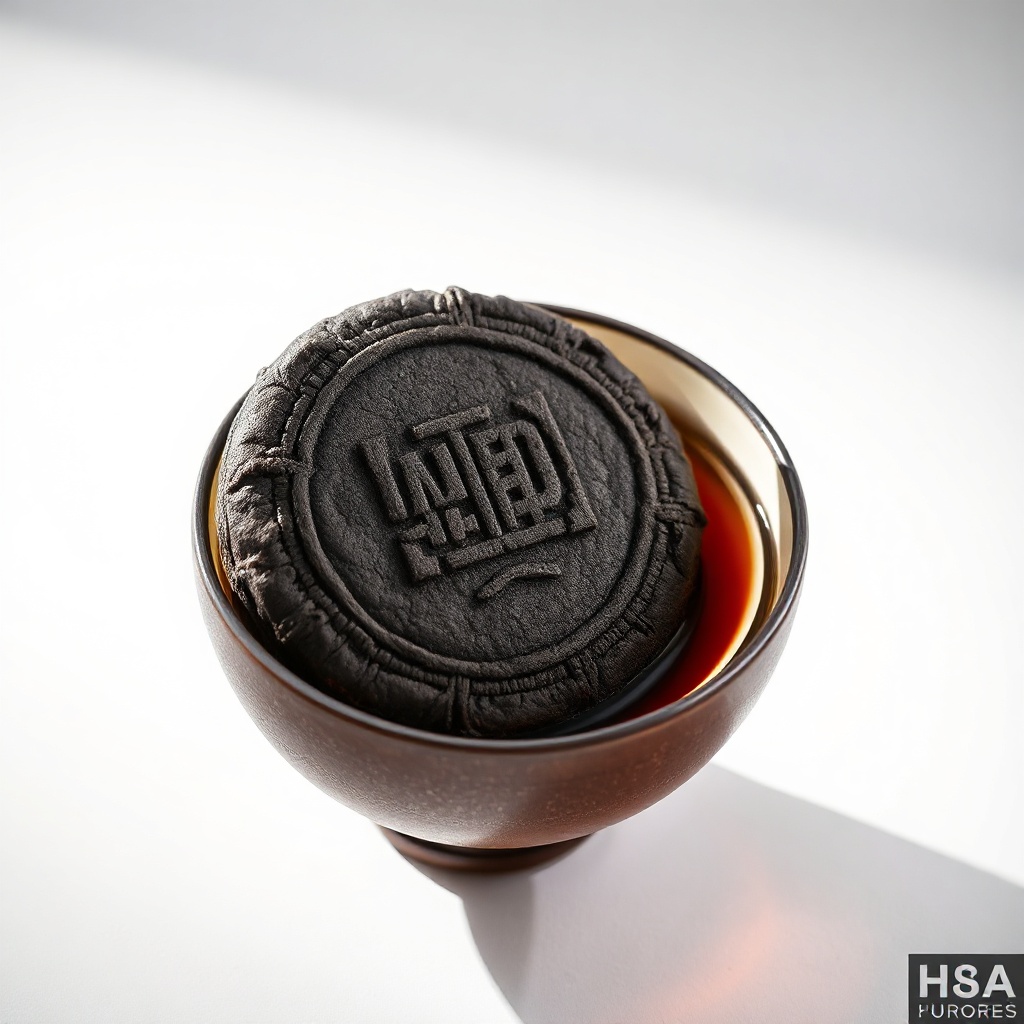
Adagio Teas
Adagio Pu-erh Poe Loose Leaf
4.8(244)
From$18.54
Compare at 3 retailers →
#4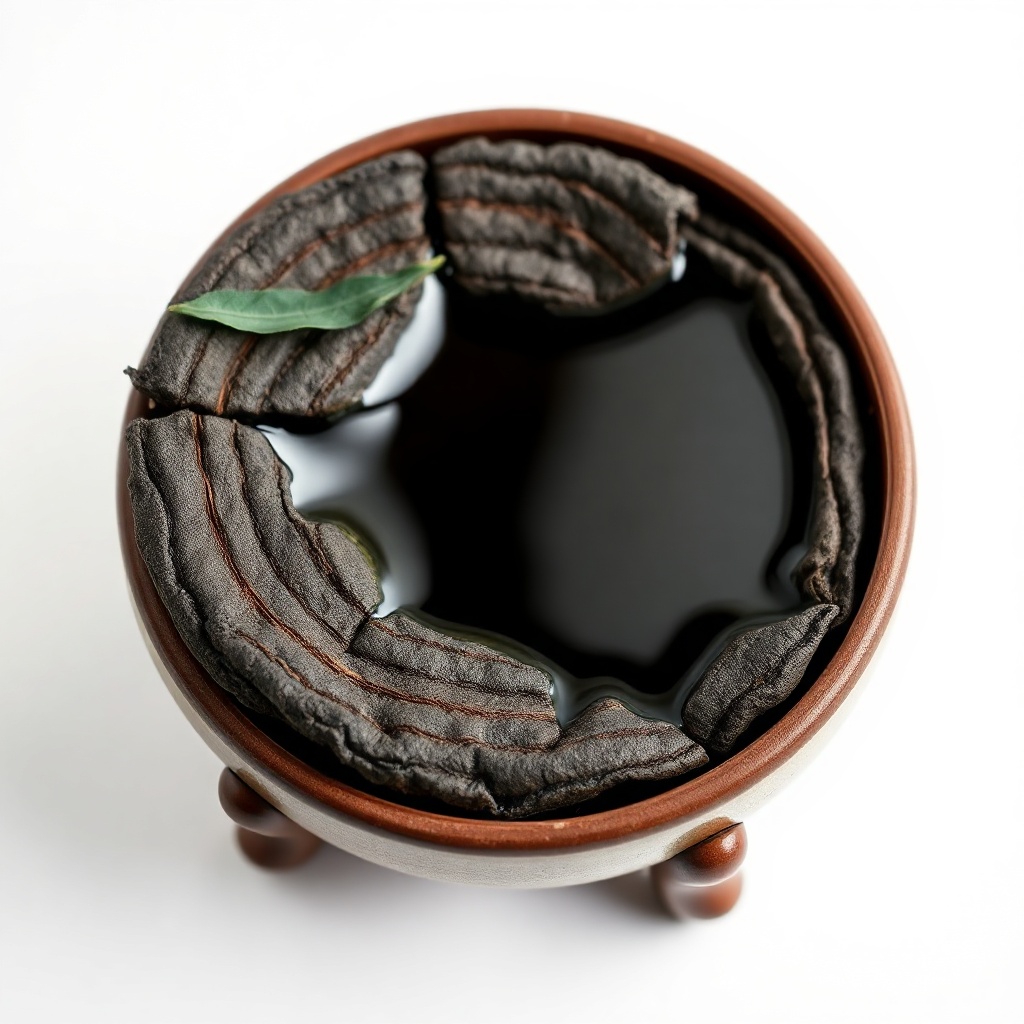
Art of Tea
Art of Tea Vanilla Pu-erh Loose Leaf
4.8(244)
From$17.97
Compare at 2 retailers →
#5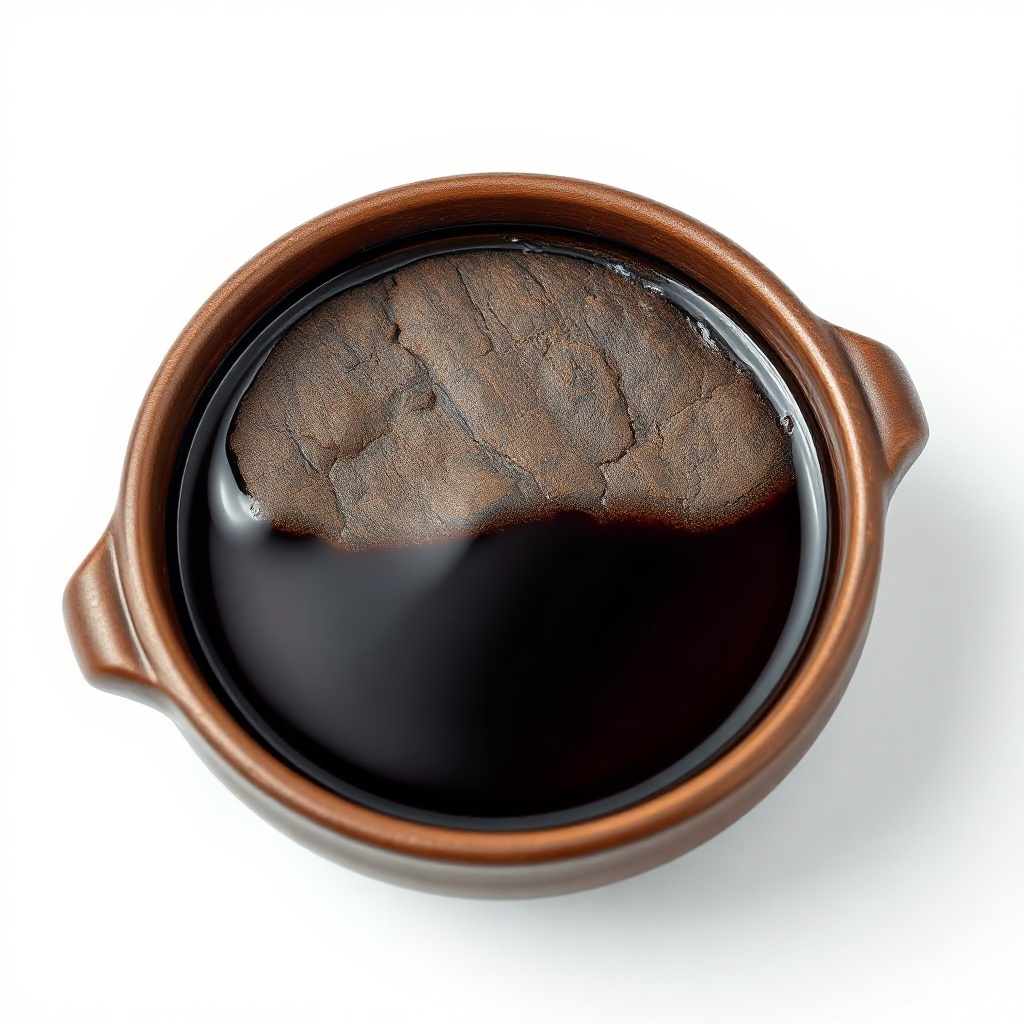
Rishi
Rishi Pu-erh Classic Loose Leaf
4.7(311)
From$10.89
Compare at 2 retailers →
#6Save 12%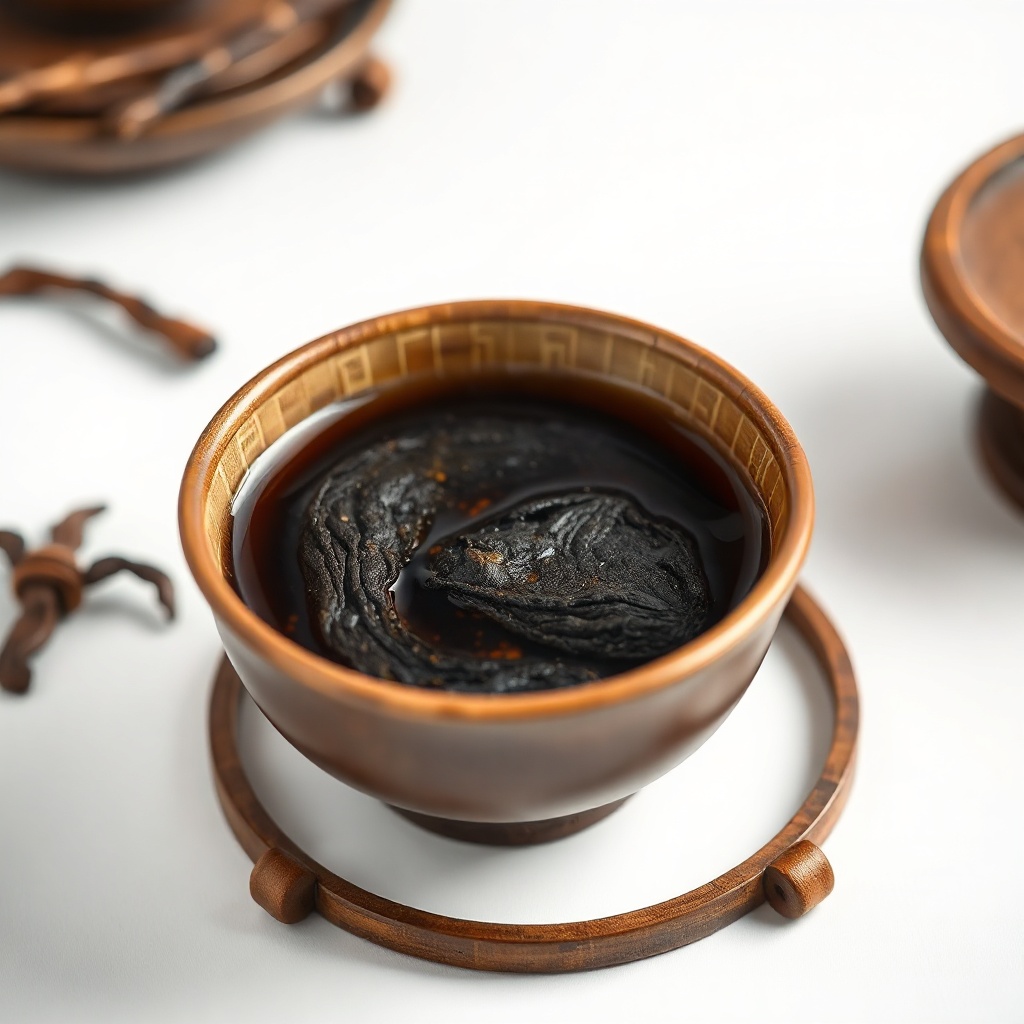
Tealyra
Tealyra Pu-erh Mini Tuocha, 50 Pieces
4.7(322)
From$18.46$21.00
Compare at 2 retailers →
#7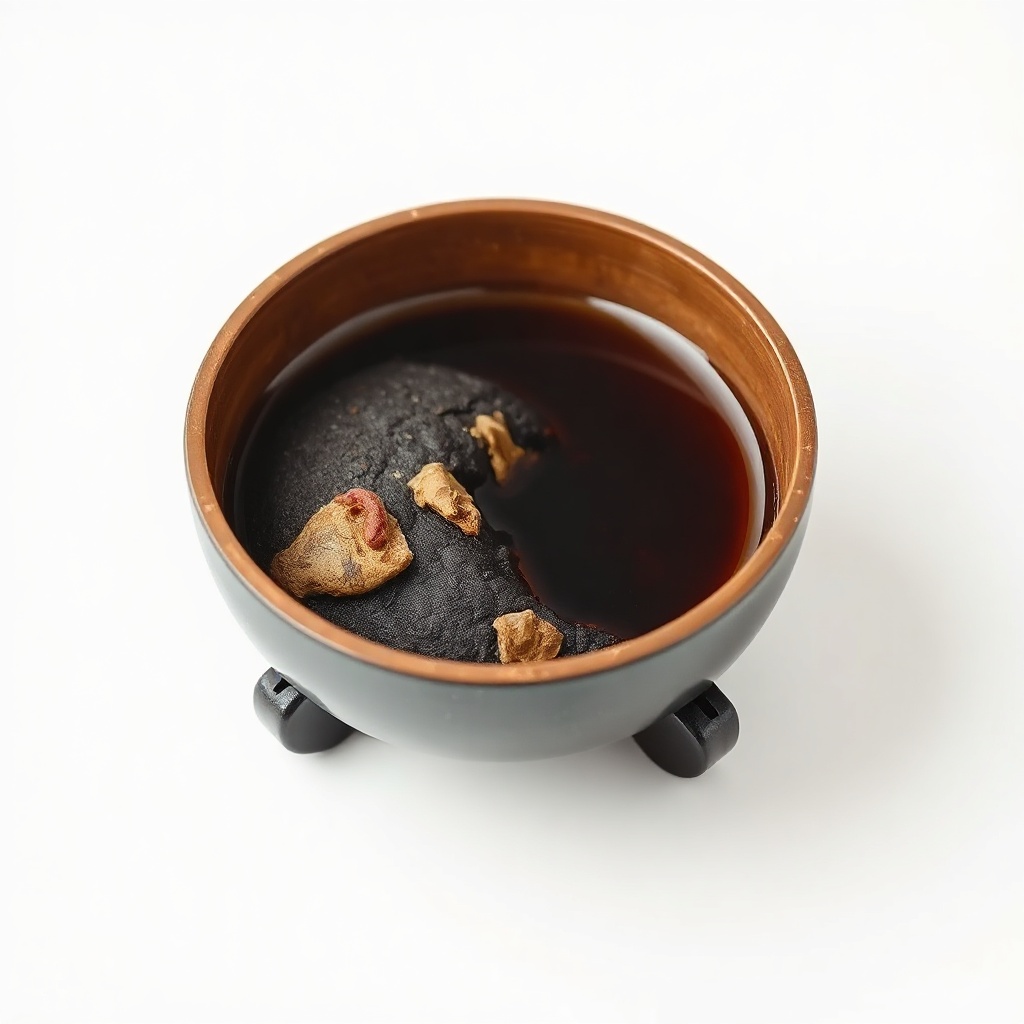
Adagio Teas
Adagio Pu-erh Dante Loose Leaf
4.7(322)
From$15.38
Compare at 3 retailers →
#8Save 10%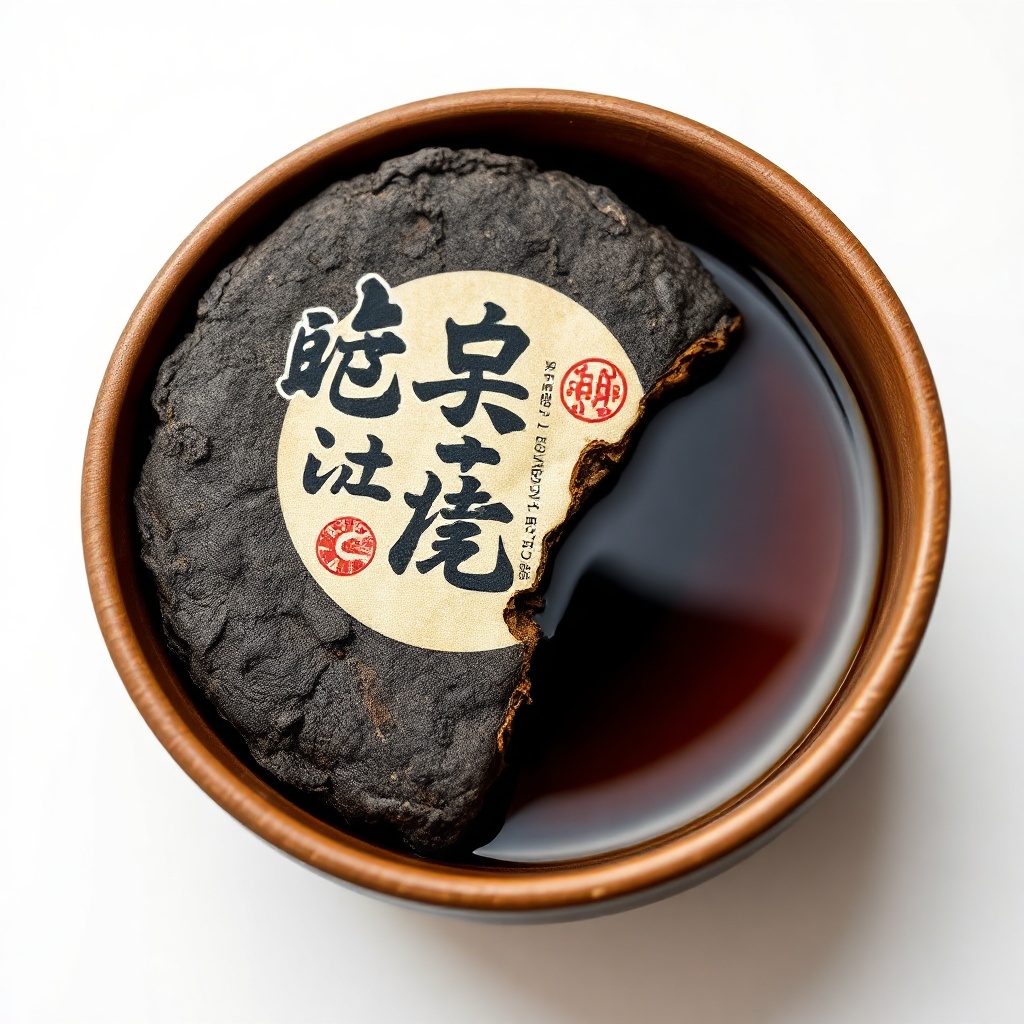
Numi
Numi Organic Aged Pu-erh, 16 Bags
4.7(411)
From$9.87$10.99
Compare at 2 retailers →
#9Save 9%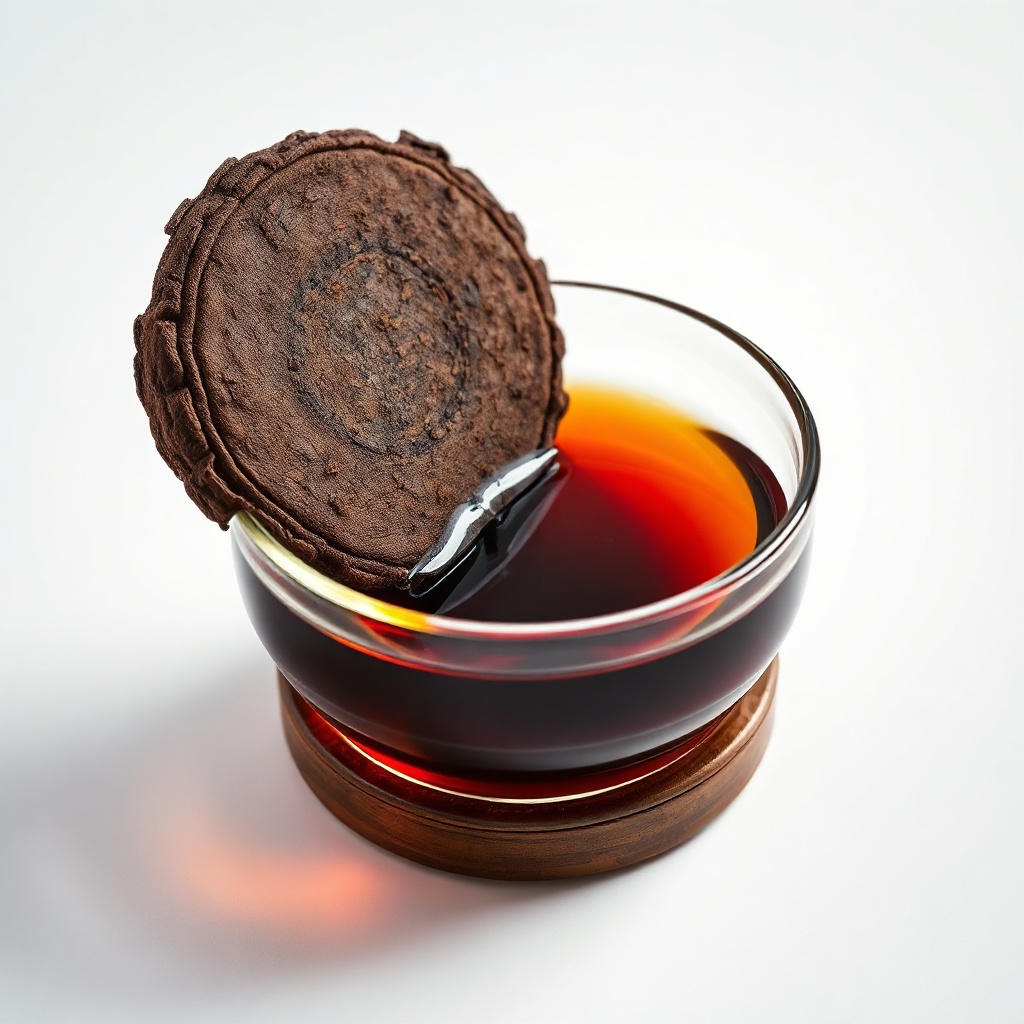
Numi
Numi Organic Pu-erh Chocolate, 16 Tea Bags
4.6(821)
From$9.98$10.99
Compare at 2 retailers →
#10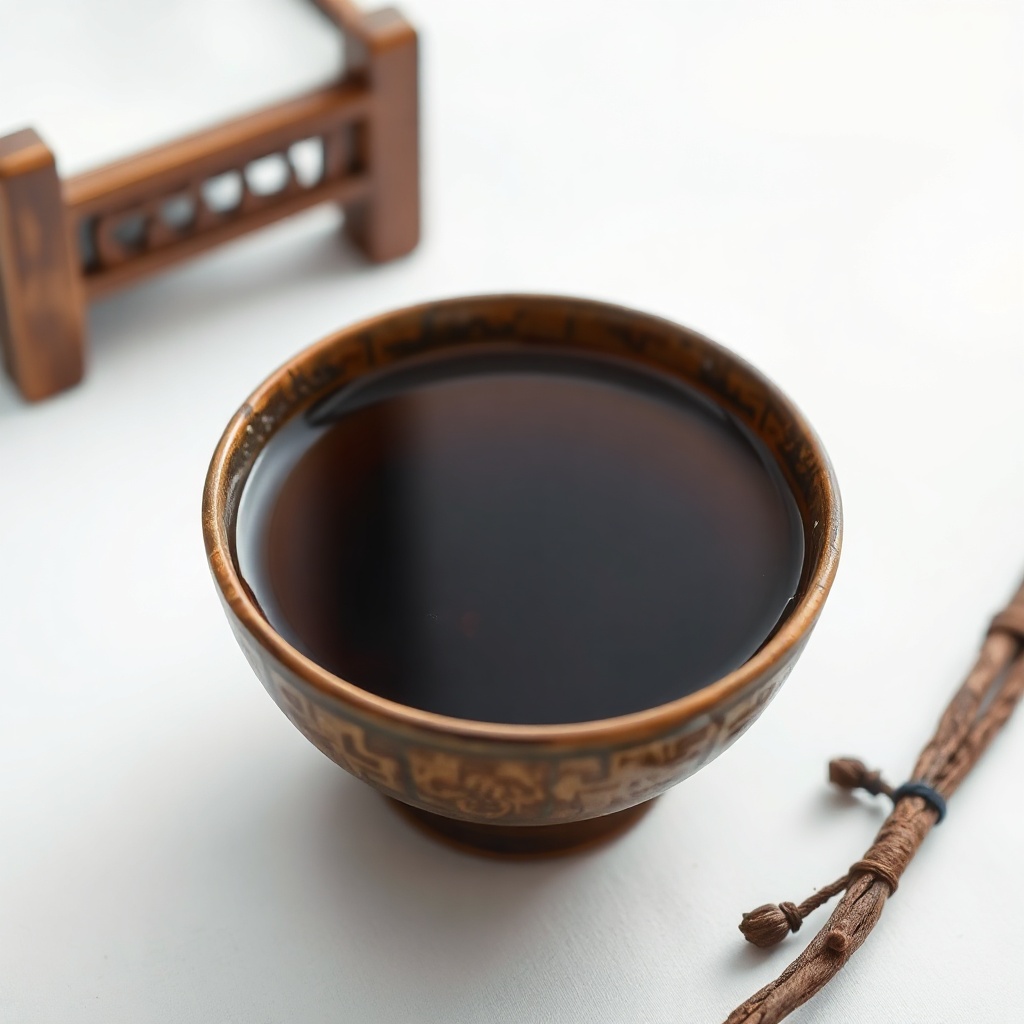
David's Tea
David's Tea Sweet Tooth Puerh Loose Leaf, 50g
4.6(411)
From$9.32
Compare at 3 retailers →
FAQ
- What's the difference between sheng and shou pu-erh?
- Sheng (raw) ages slowly and starts harsh. Shou (ripe) is artificially fermented in 45 days and is ready to drink immediately. Beginners almost always start with shou.
- Does pu-erh help with weight loss?
- Studies show modest improvements in cholesterol and body fat over multiple weeks of regular consumption. The effect is real but small. Pu-erh after a fatty meal is a traditional Yunnan/Hong Kong digestive ritual that has some evidence behind it.
- What's the best pu-erh for beginners?
- Numi Organic Pu-erh Chocolate (sachets, low commitment) or Rishi Pu-erh Classic (loose leaf). Both are smooth shou pu-erhs without the funk that puts off newbies.
- How long does pu-erh last?
- Indefinitely — some cakes are 30+ years old and improve with age. Store in original wrapper, away from light and strong smells. Sheng improves more dramatically with age than shou.