Best Tea Bags Editors
Best Matcha (2026)
Matcha is shade-grown Japanese green tea, stone-ground into a fine bright-green powder. Unlike steeped tea, you whisk matcha directly into hot water — you drink the entire leaf, not just the brewed water. Result: dramatically higher concentrations of caffeine, L-theanine, EGCG, and chlorophyll than steeped green tea.
16 found
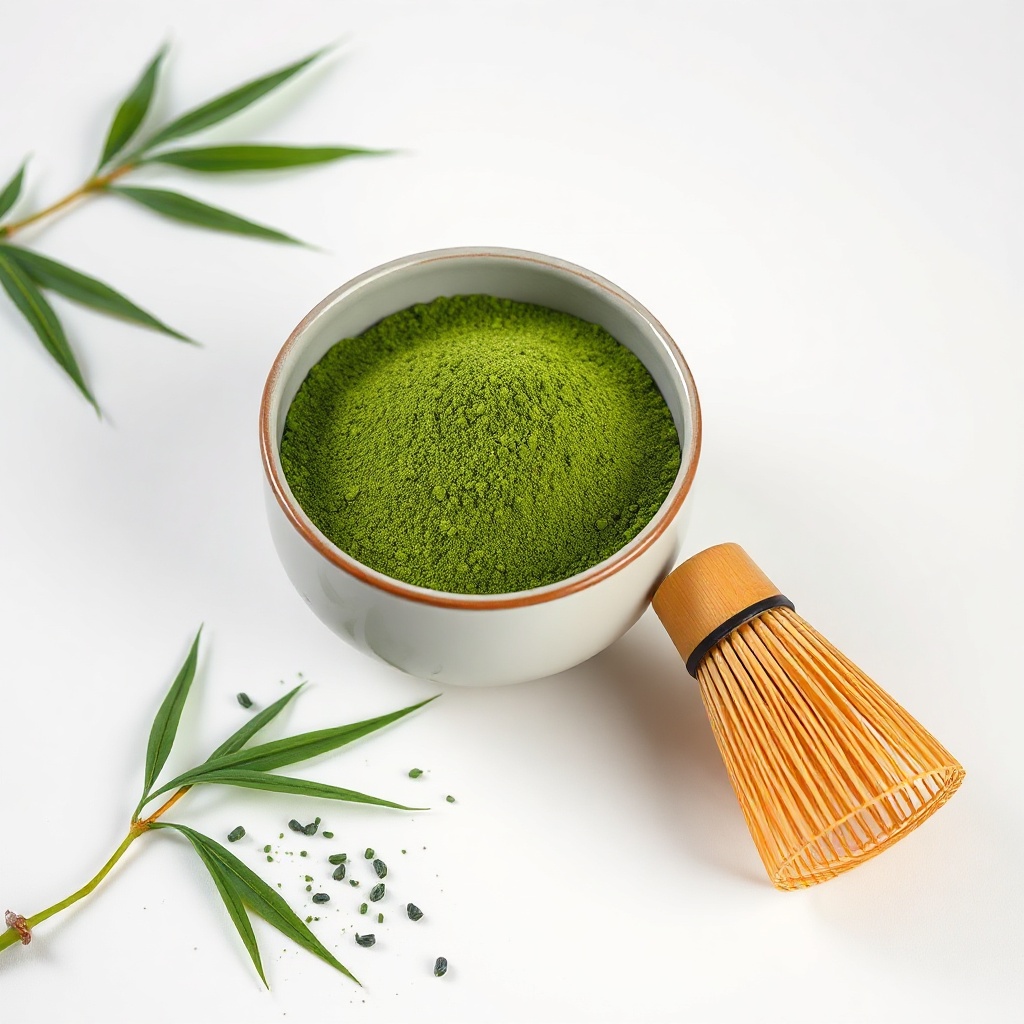
Jade Leaf
Jade Leaf Organic Ceremonial Matcha, 30g
Compare at 2 retailers →
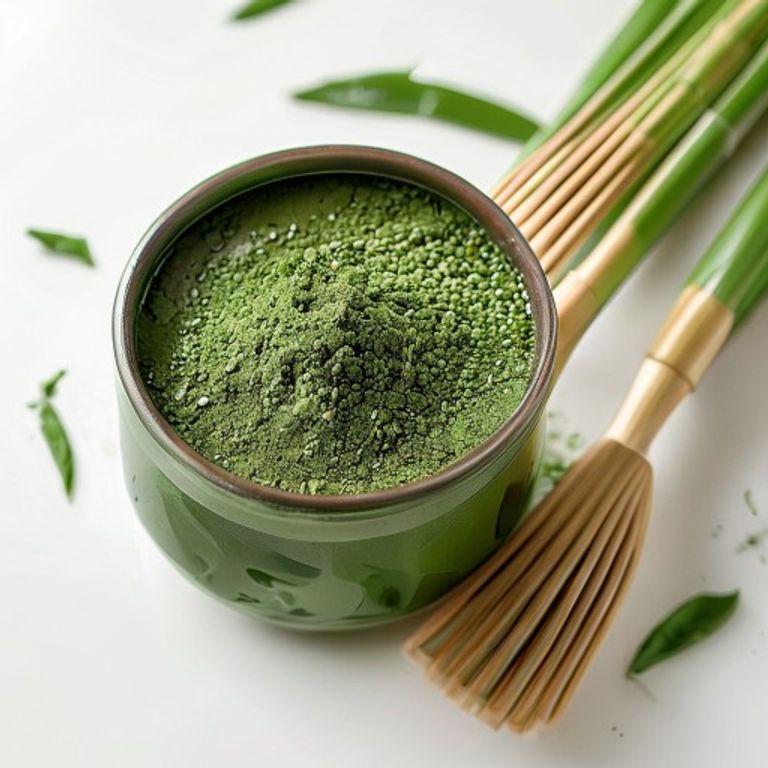
Matcha Konomi
Matcha Konomi Akira Ceremonial Grade, 30g
Compare at 2 retailers →
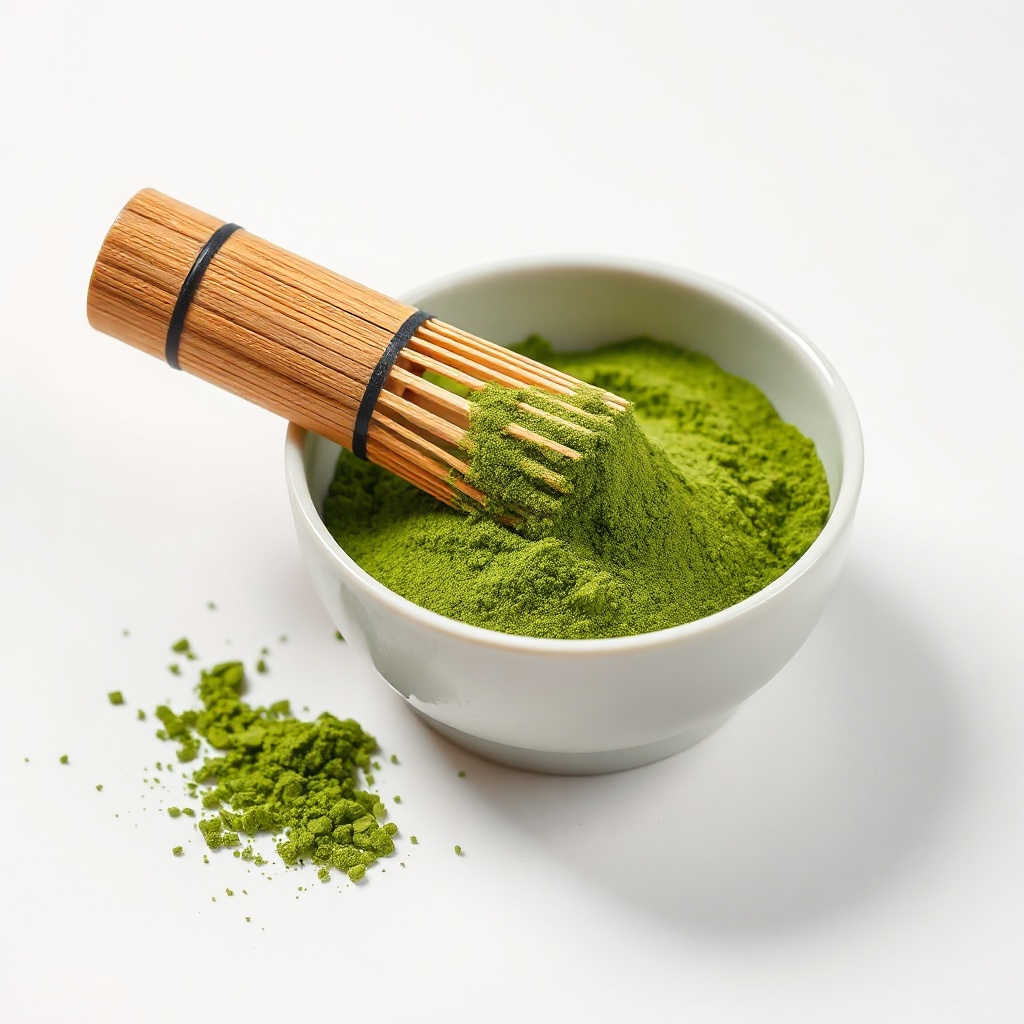
Encha
Encha Latte-Grade Matcha, 60g
Compare at 2 retailers →
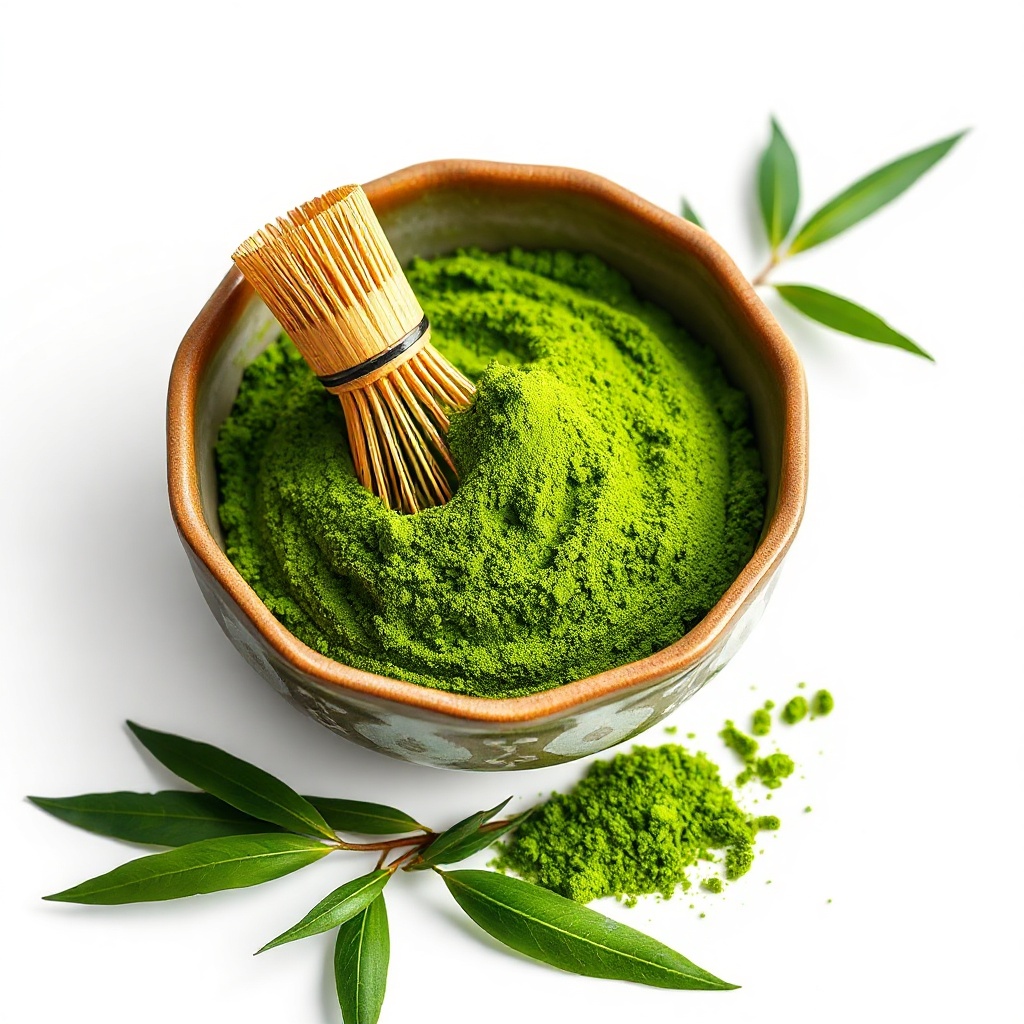
Aiya
Aiya Ceremonial Matcha, 30g
Compare at 2 retailers →
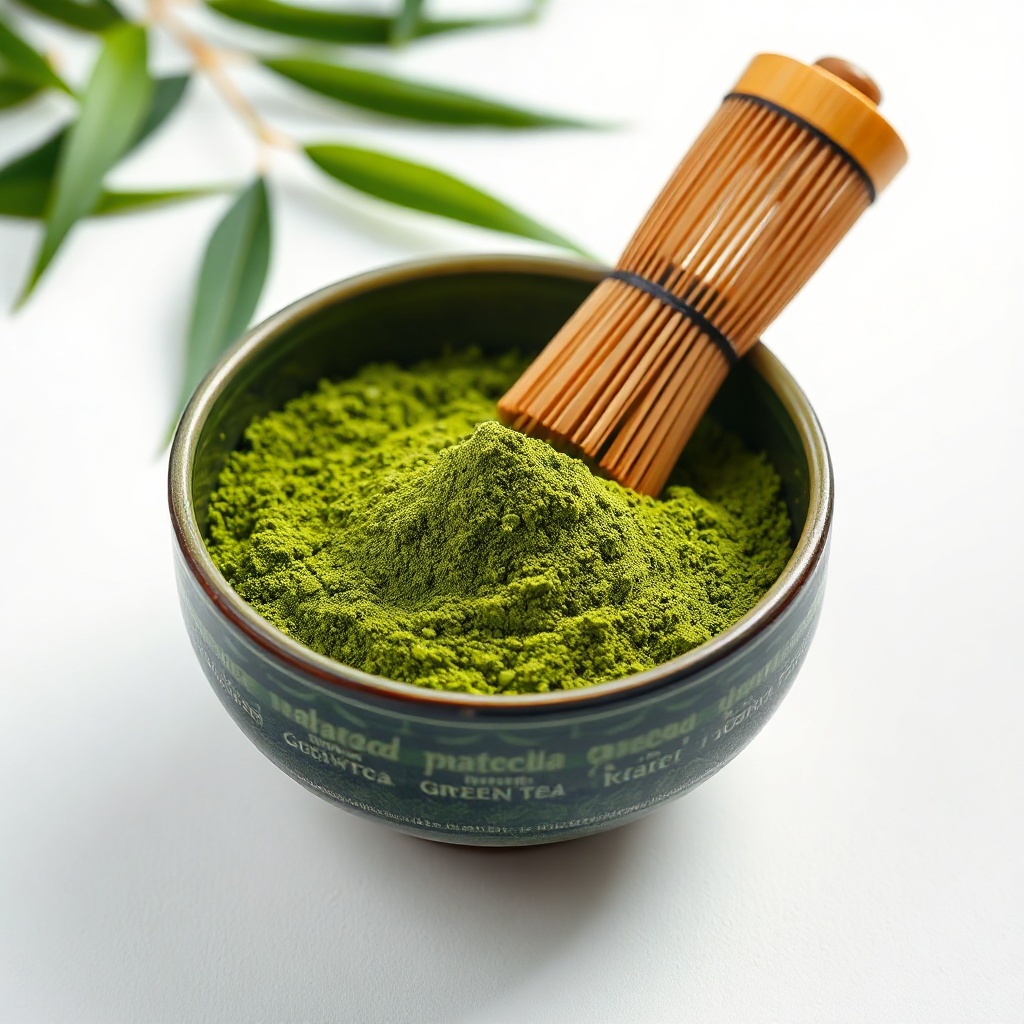
Encha
Encha Ceremonial Matcha, 30g
Compare at 2 retailers →
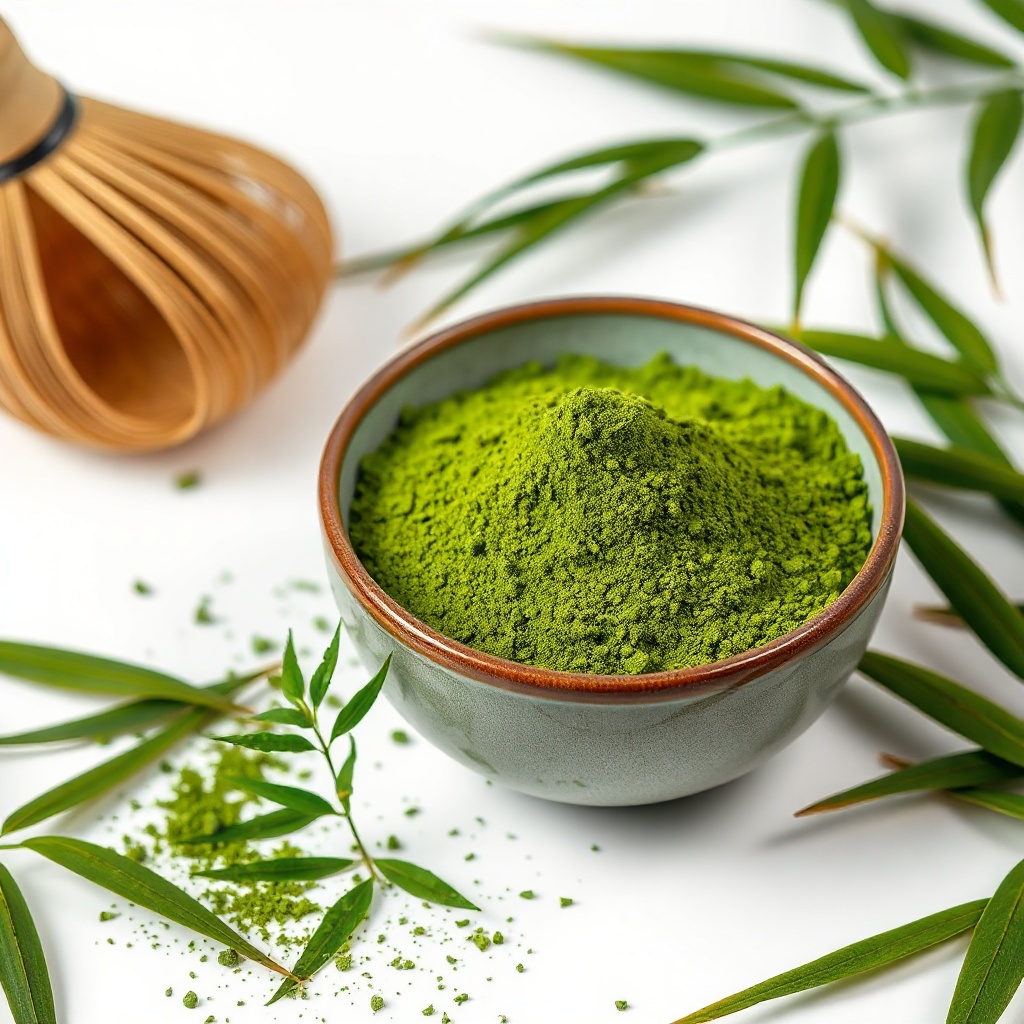
Naoki
Naoki Superior Ceremonial Matcha, 30g
Compare at 2 retailers →
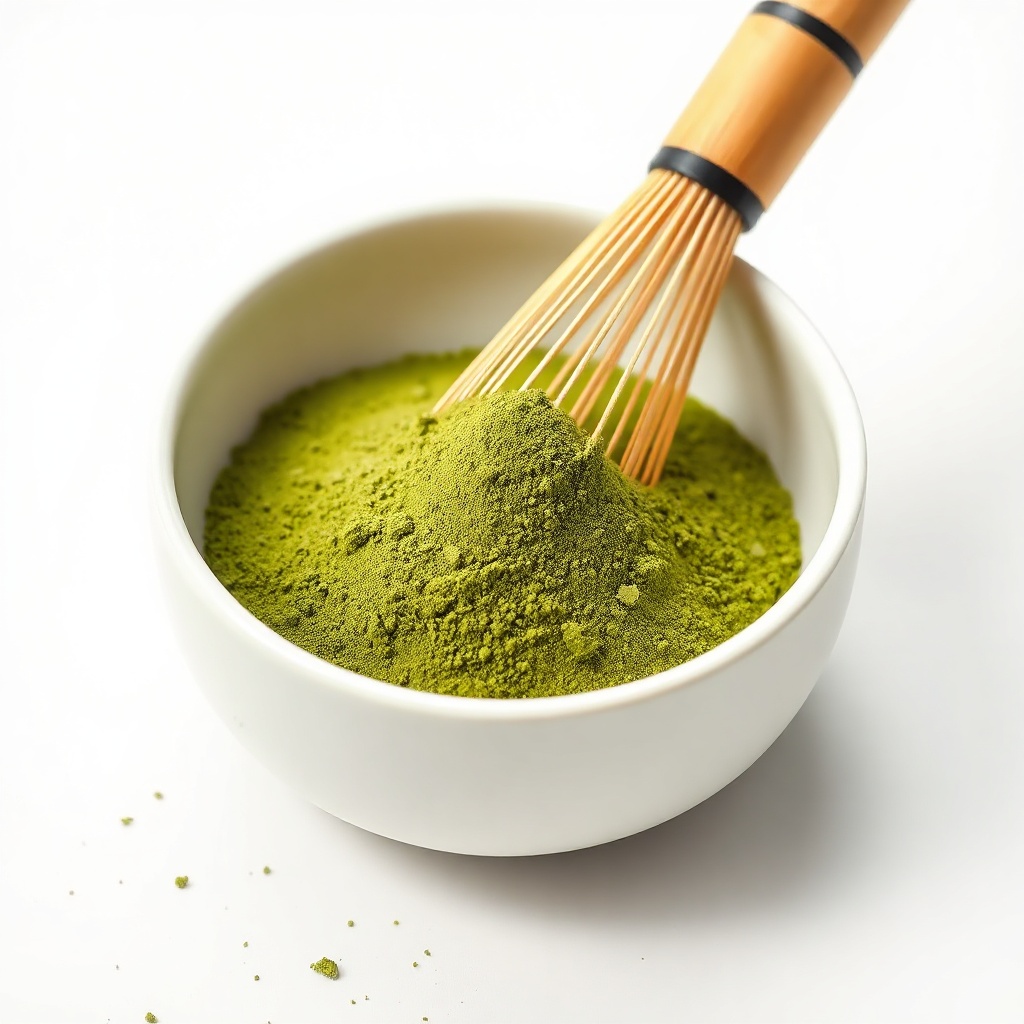
KenkoTea
KenkoTea Premium Matcha Powder, 50g
Compare at 2 retailers →
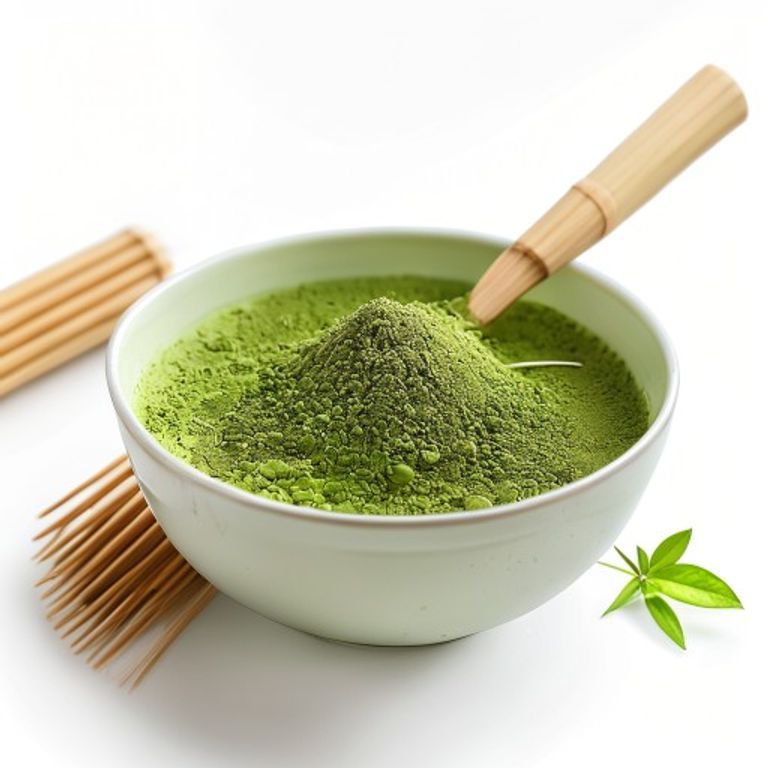
Jade Leaf
Jade Leaf Matcha Classic Culinary Grade, 100g
Compare at 2 retailers →
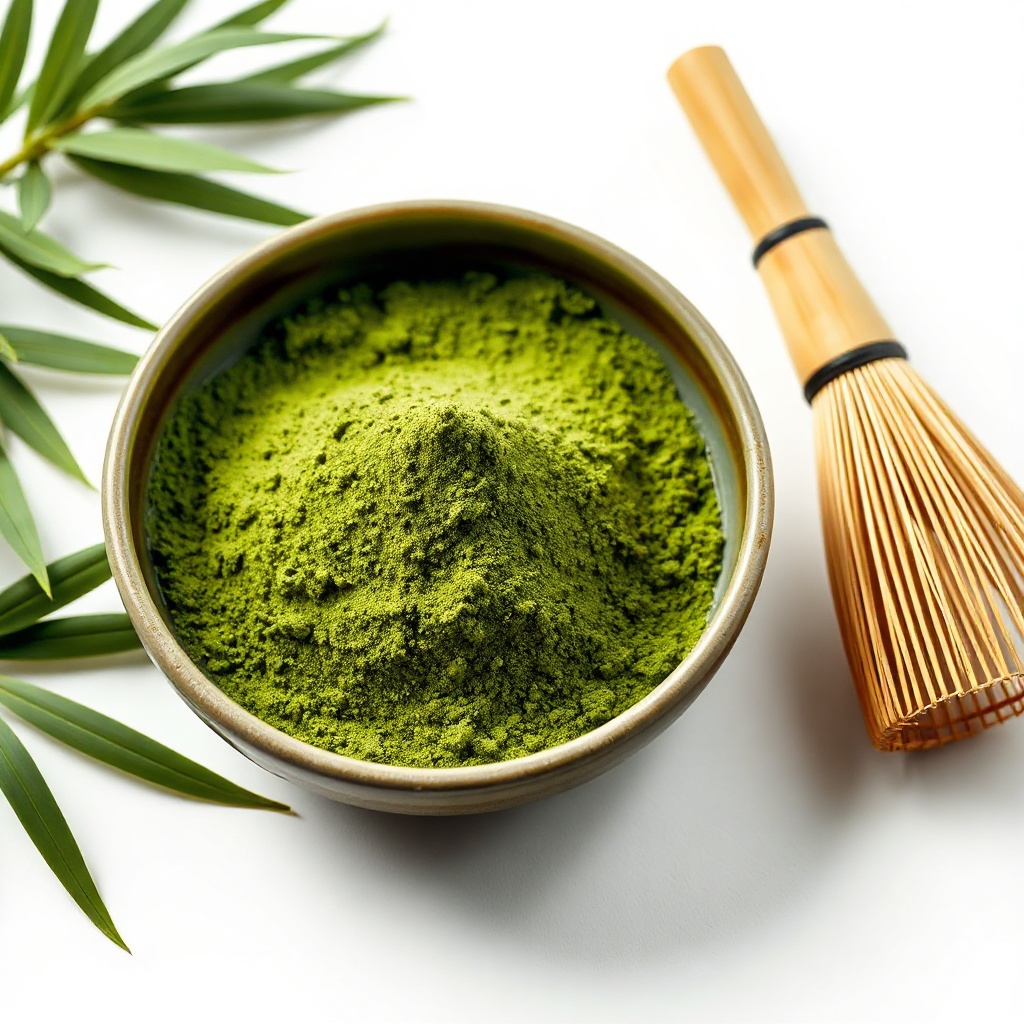
Ippodo
Ippodo Ummon-no-mukashi Ceremonial Matcha, 40g
Compare at 2 retailers →
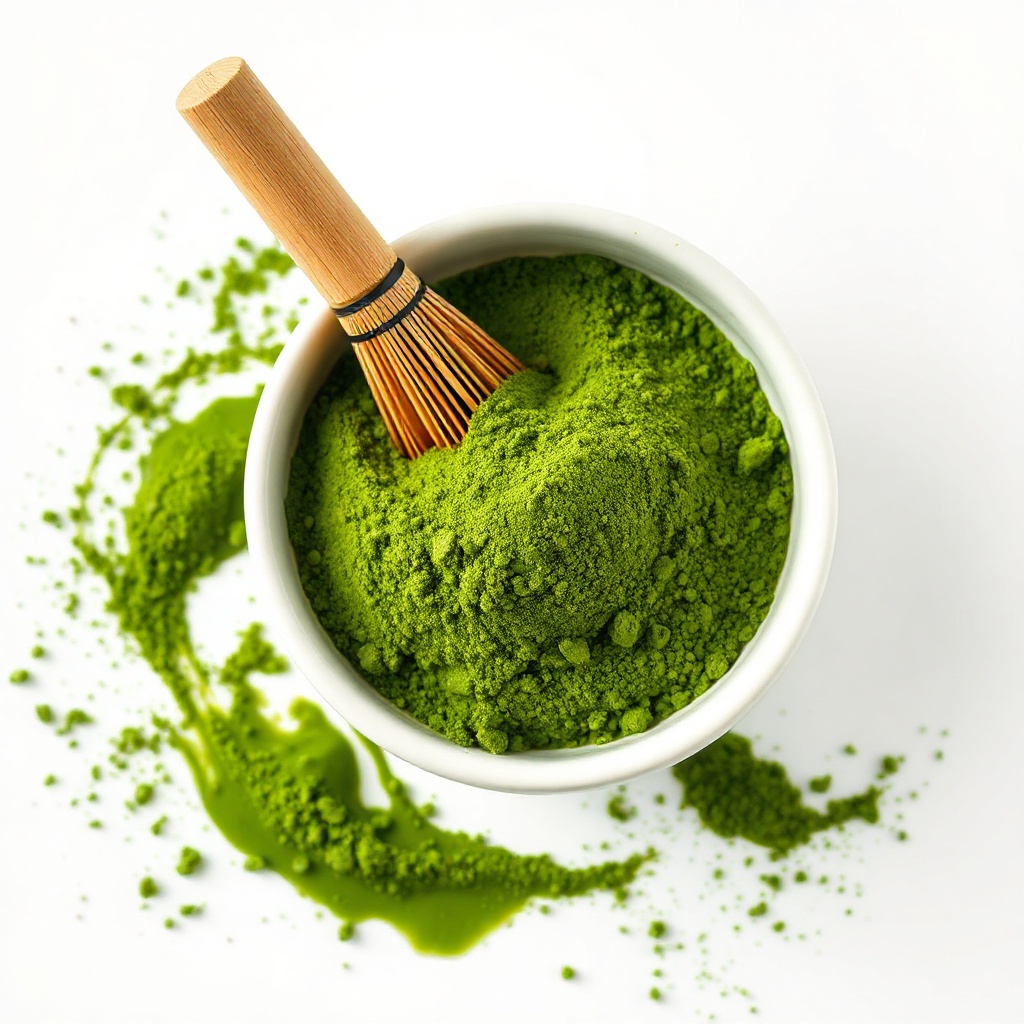
Mizuba
Mizuba Tea Co. Premium Matcha, 30g
Compare at 2 retailers →
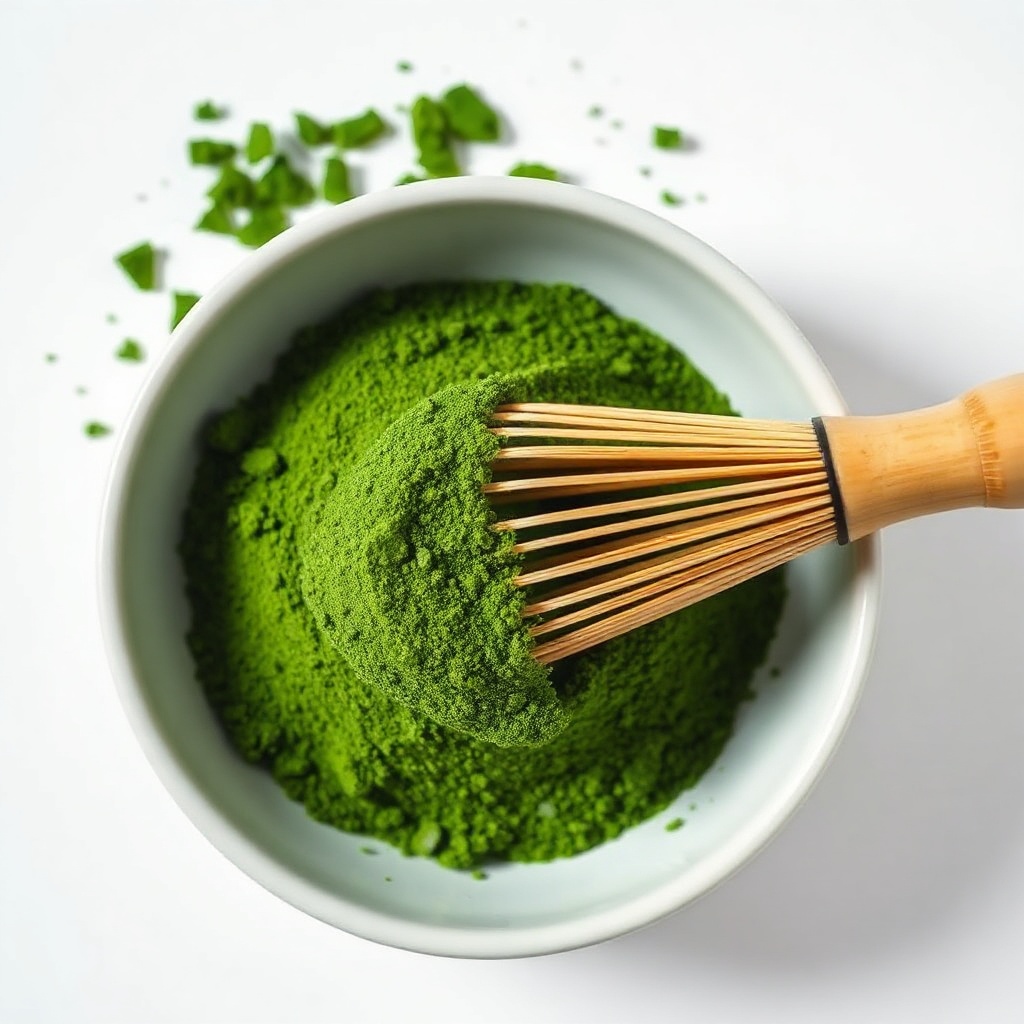
Ippodo
Ippodo Sayaka-no-mukashi Matcha, 40g
Compare at 2 retailers →
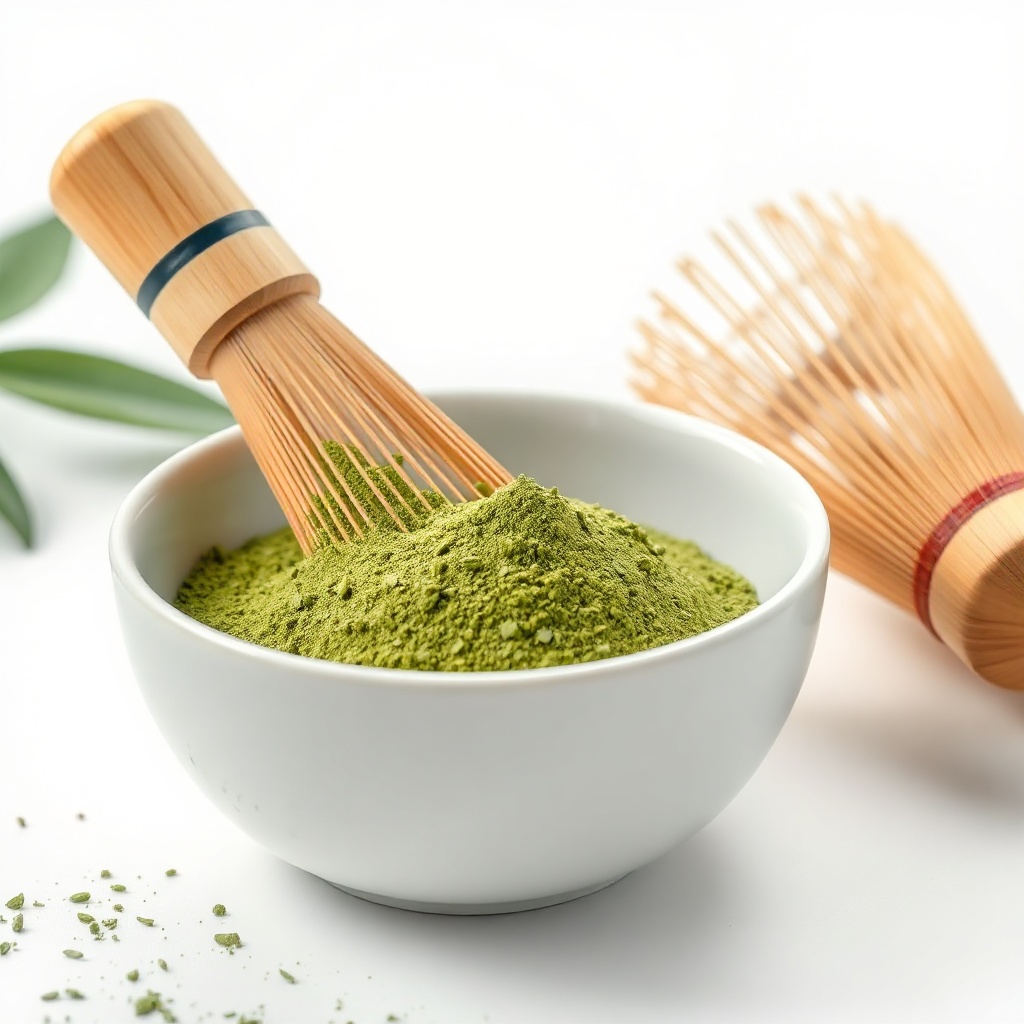
Mizuba
Mizuba Tea Co. Organic Matcha, 30g
Compare at 2 retailers →
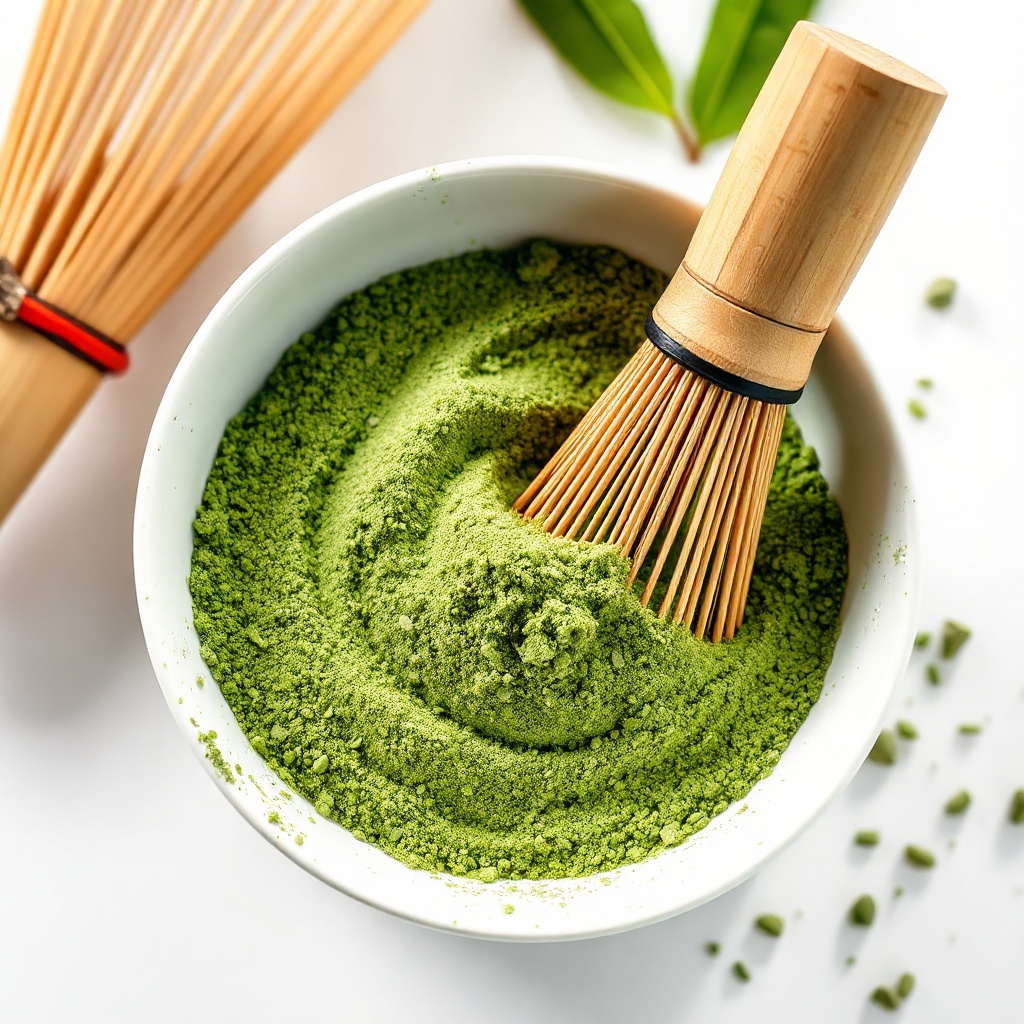
Naoki
Naoki Everyday Matcha, 100g
Compare at 2 retailers →
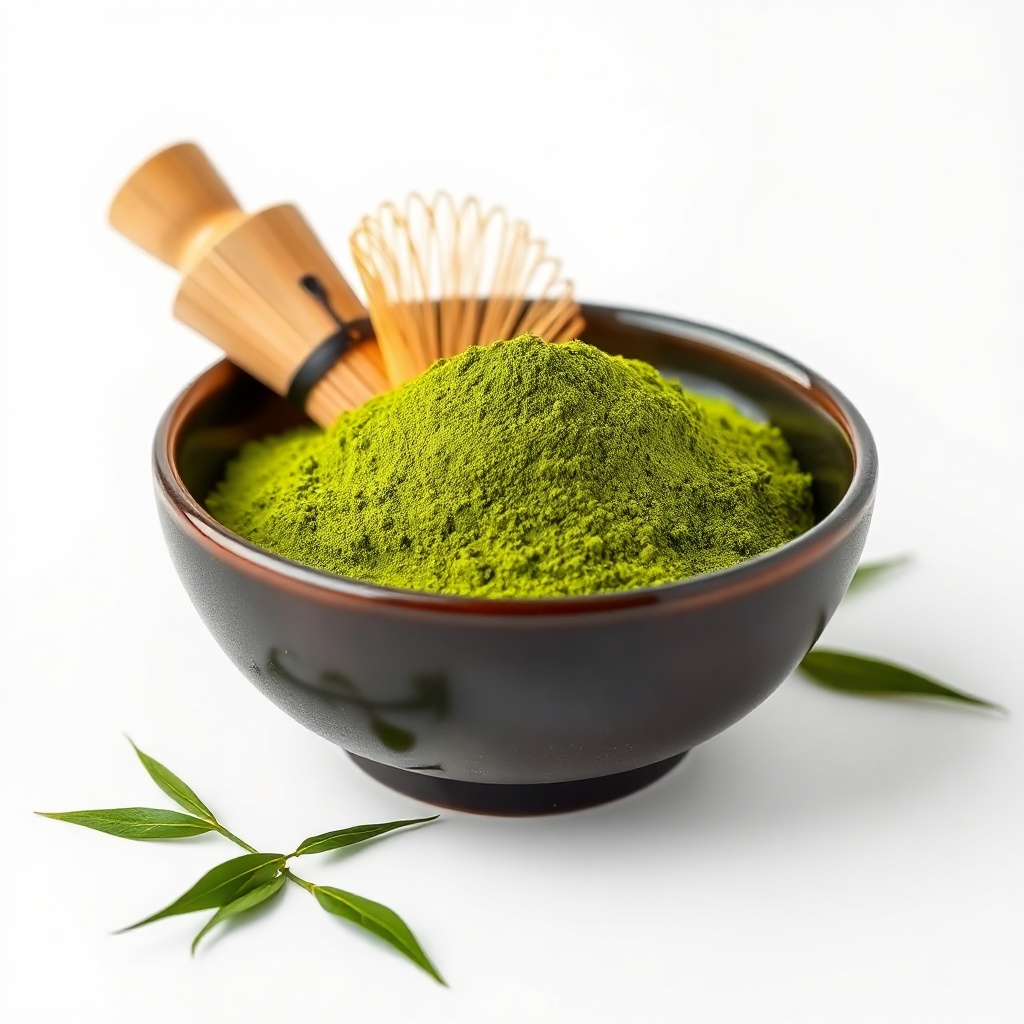
MatchaBar
MatchaBar Ceremonial Matcha, 30g
Compare at 2 retailers →
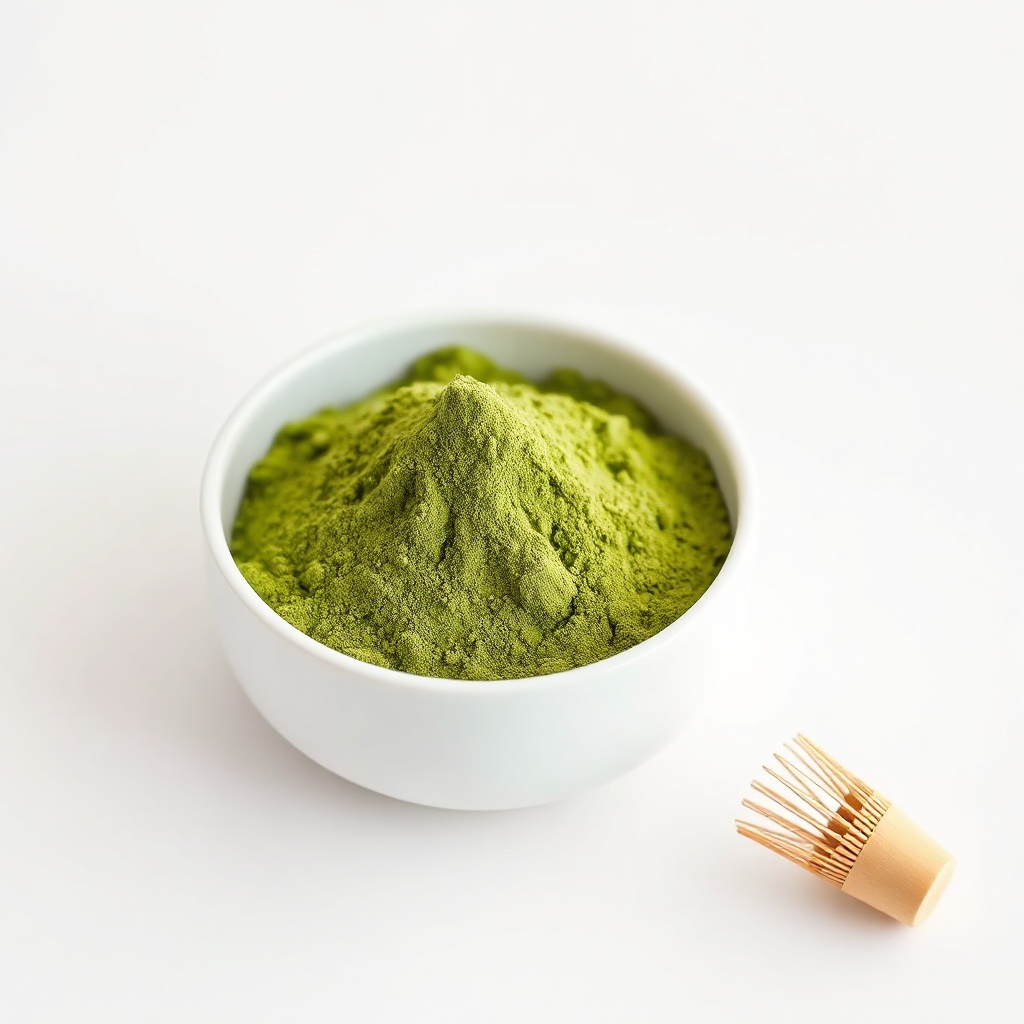
Pique
Pique Sun Goddess Matcha, 30 Sticks
Compare at 2 retailers →
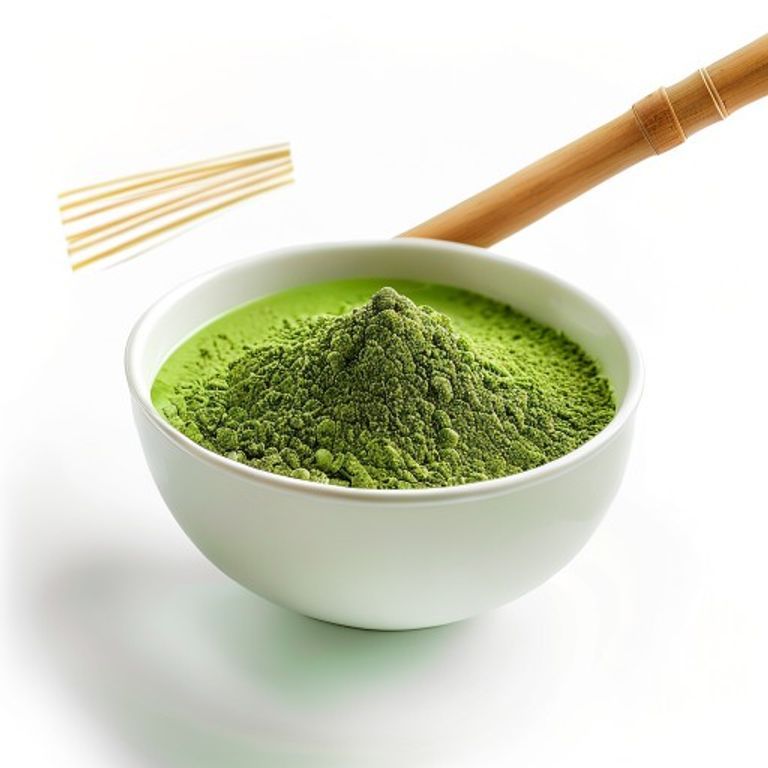
David's Tea
David's Tea Organic Matcha, 50g Tin
Compare at 3 retailers →
FAQ
- How much caffeine is in matcha?
- 50-70mg per 2g serving — comparable to a cup of black tea or 70% of a cup of coffee. Matcha's L-theanine smooths the caffeine peak.
- Is matcha better than coffee?
- For sustained focus without the crash, matcha's L-theanine + caffeine combo wins. For maximum acute alertness, coffee wins. Many people drink both — matcha for afternoon focus, coffee for morning kick.
- What's the best matcha brand for beginners?
- Jade Leaf Organic Ceremonial — affordable, organic, vibrant green, easy to whisk. Once you graduate, try Encha Ceremonial or Ippodo Sayaka-no-mukashi.
- Why does my matcha taste bitter?
- Three causes: water too hot (use 175°F, not boiling), matcha too old (refrigerate, use within 2 months), or low-grade culinary matcha used for whisking instead of latte/ceremonial grade.