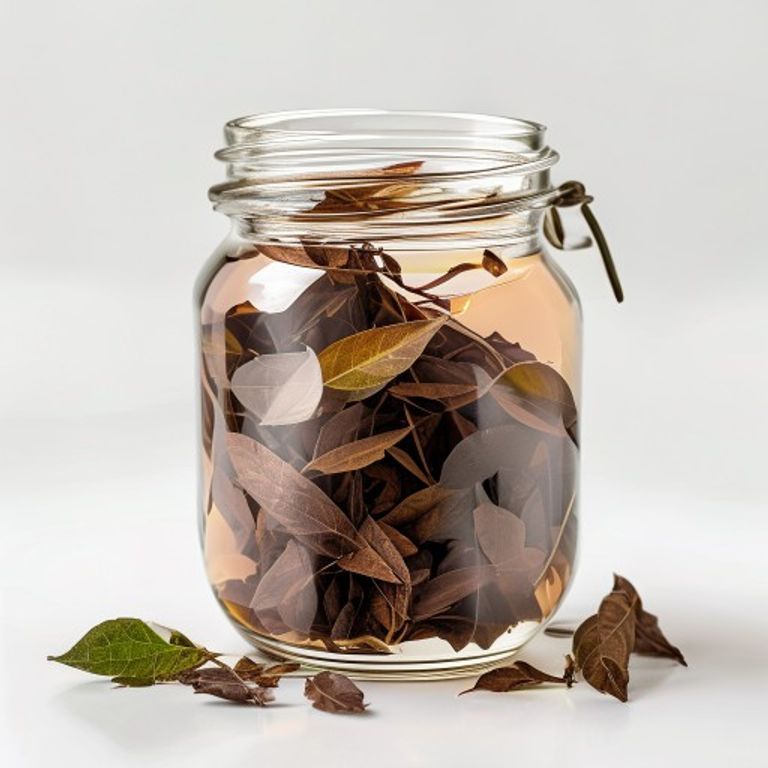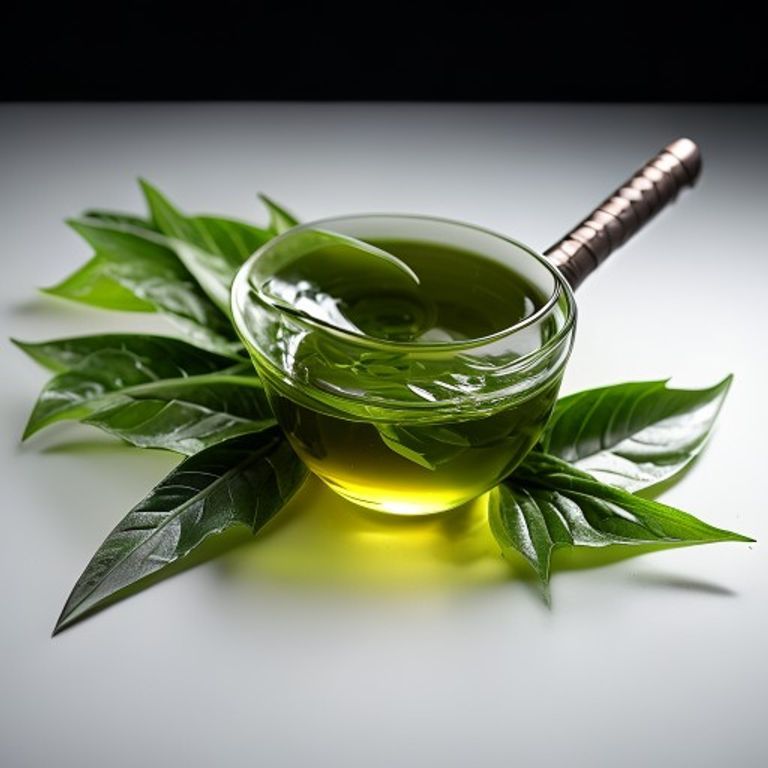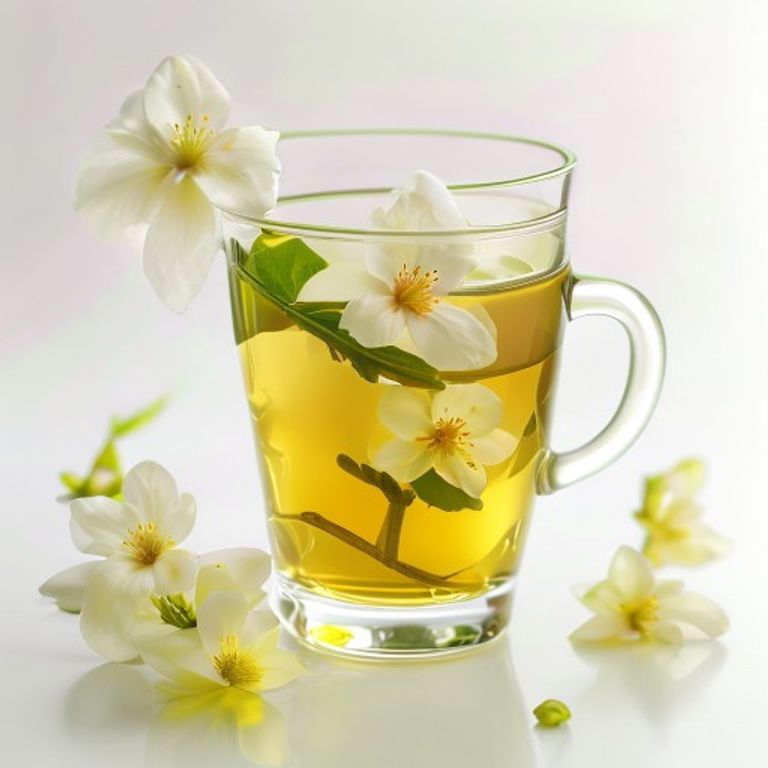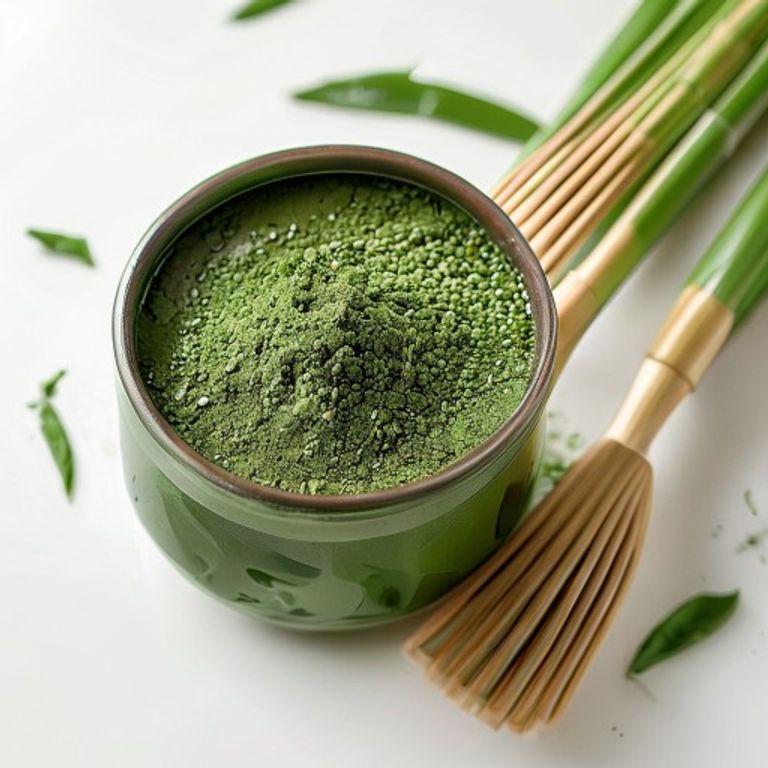
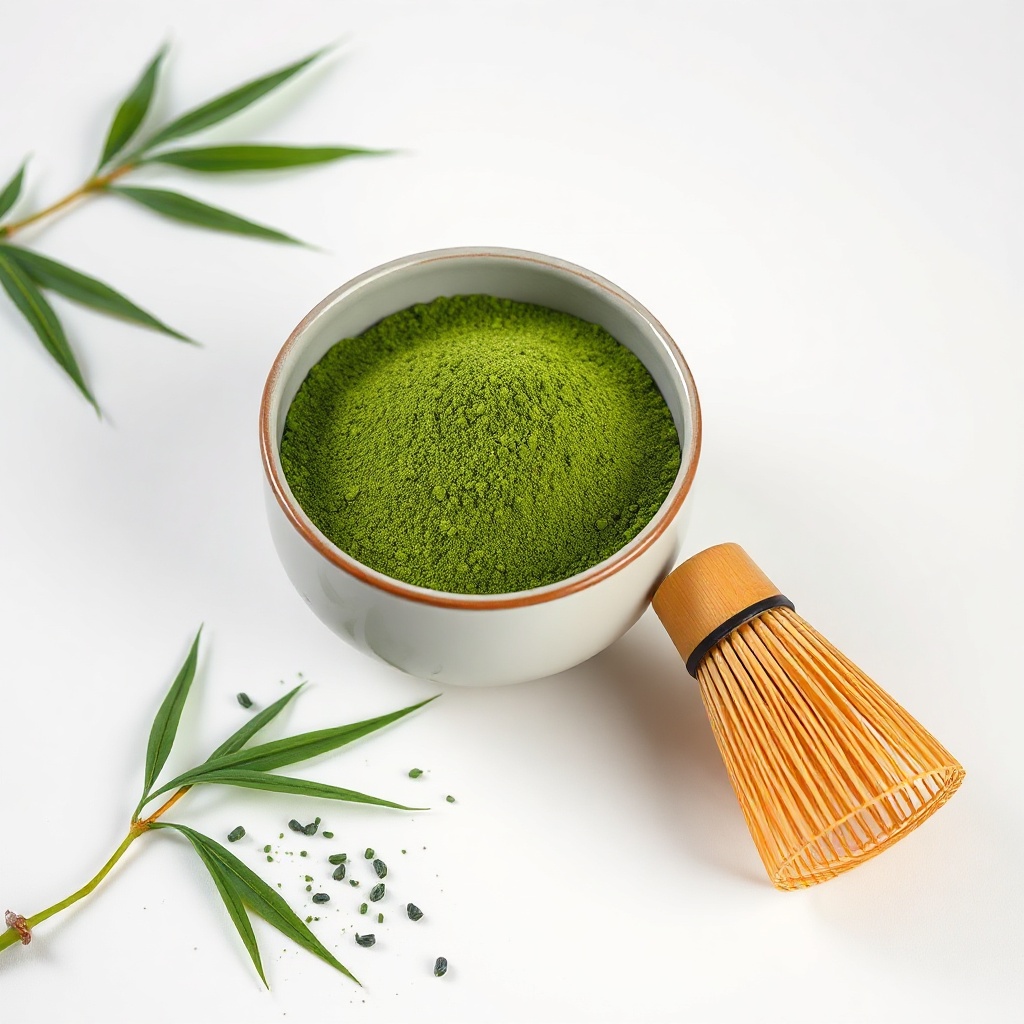
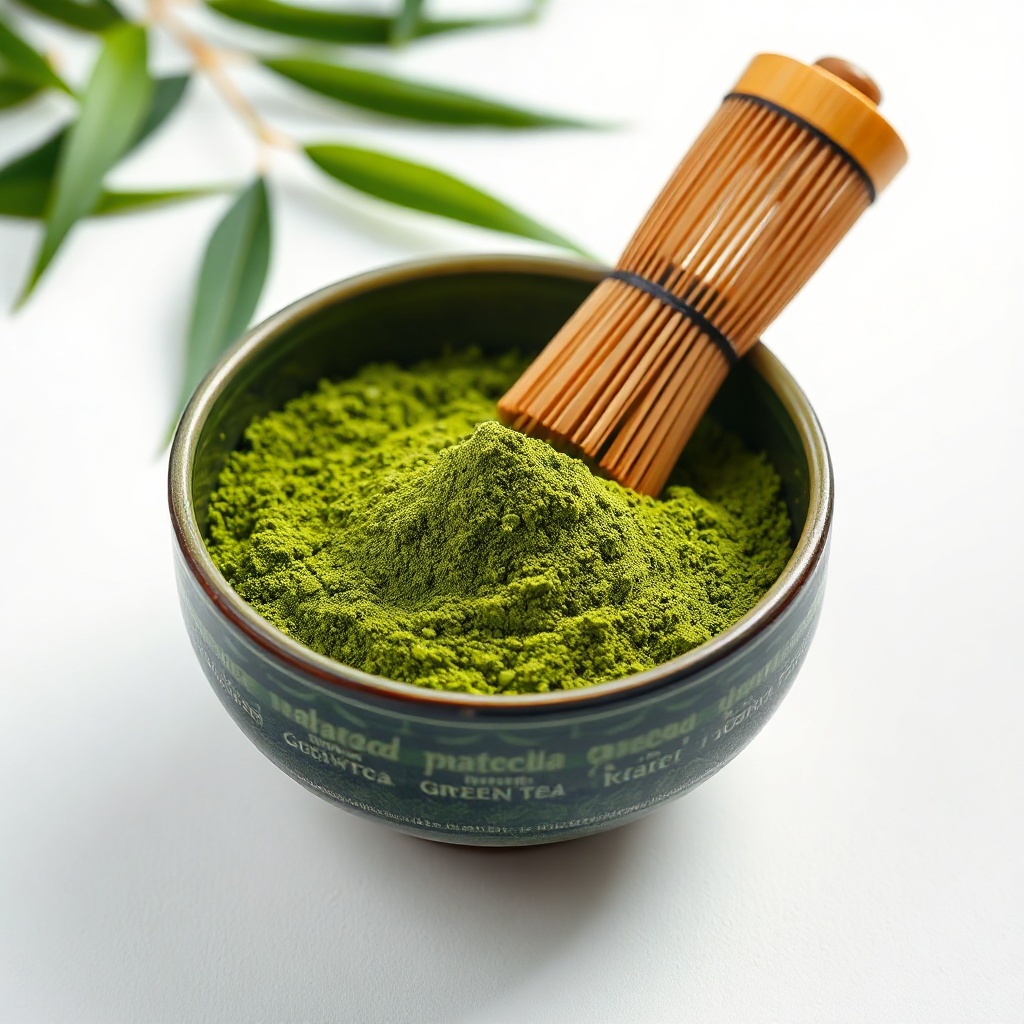
If you're here because you bounce between coffee anxiety and tea's lack of bite, the answer is matcha and shade-grown Japanese green teas. These have the highest L-theanine concentrations of any commonly-available tea — and L-theanine is the amino acid responsible for tea's "alert calm" effect.
How L-theanine works
L-theanine crosses the blood-brain barrier within 30 minutes and increases alpha-wave activity in the brain — the wave pattern associated with relaxed alertness. Combined with caffeine, you get focused energy without the jitters. Studies measure improvements in attention, working memory, and reaction time compared to caffeine alone.
Why shade-grown matters
Shade-growing Camellia sinensis for the last 3-4 weeks before harvest dramatically increases L-theanine content. Matcha (fully shade-grown) has the highest L-theanine of any tea. Gyokuro (Japanese shade-grown sencha) is second. Standard sencha has more L-theanine than Chinese green teas, which generally aren't shade-grown.
The 2:1 ratio
The most-cited research uses about 100mg L-theanine + 50mg caffeine — roughly the ratio you get from one serving of ceremonial matcha. Cheap culinary matcha has lower L-theanine (because it's third-harvest, less shade), so don't expect the same effect from ~$10 cooking matcha.
Build-up vs. acute use
L-theanine effects are partly acute (felt within 30-60 min) and partly accumulating with daily use. Most people who drink matcha daily for 2 weeks report noticeable improvement in afternoon focus.