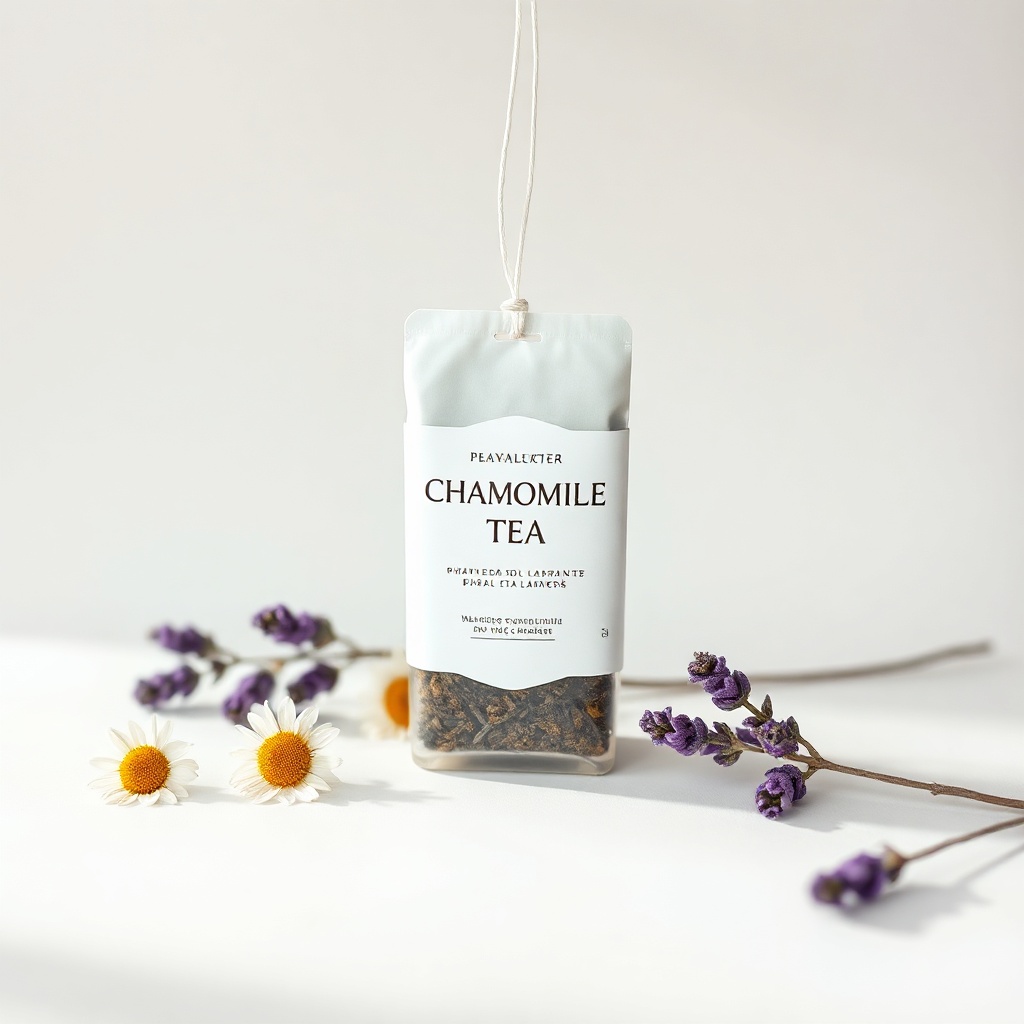

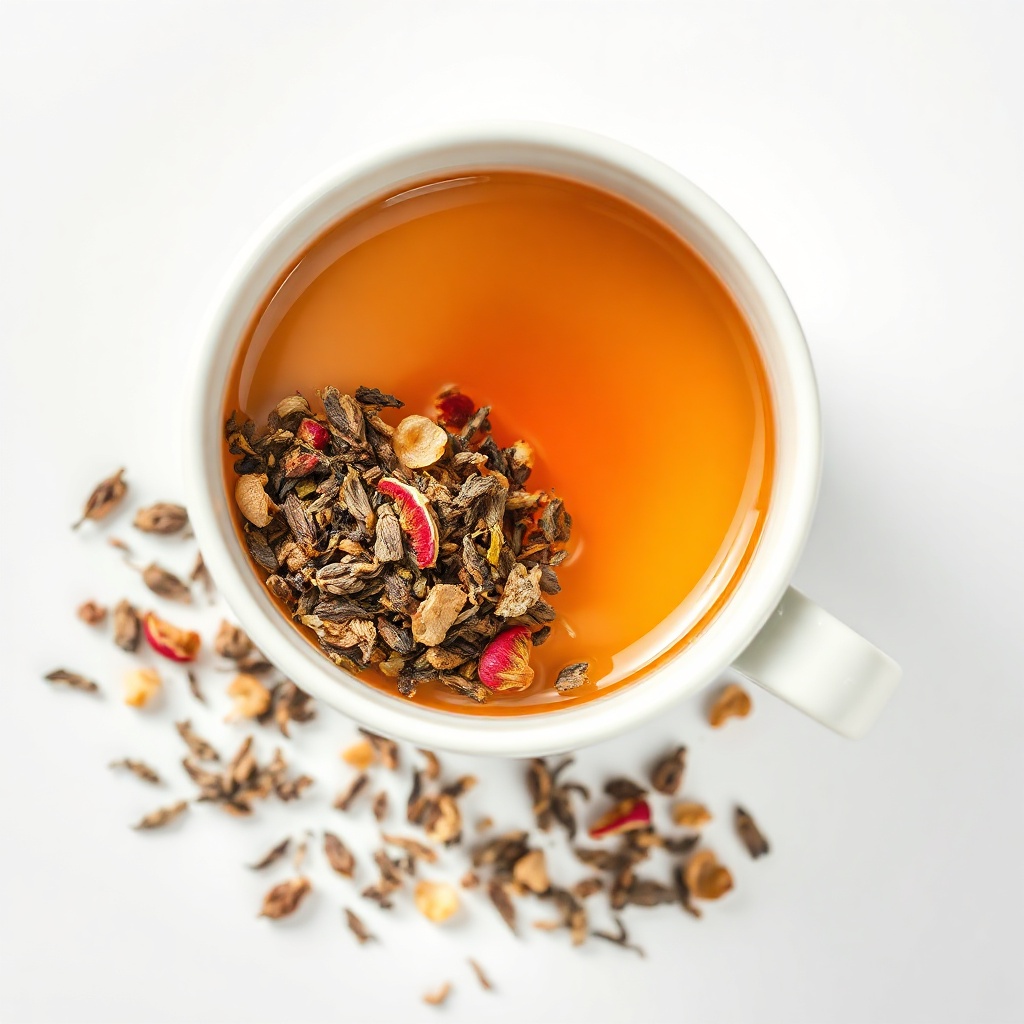
Tea before bed isn't a placebo. The active compounds in chamomile (apigenin), valerian (valerenic acid), and passionflower (flavonoids) all bind to GABA receptors in the brain — the same target as benzodiazepine sleep aids, just dramatically gentler. Studies show measurable, modest improvements in sleep latency and sleep quality from 1-2g of chamomile or 0.4g of valerian root taken 30-60 minutes before bed.
The trick is dose. A weak grocery-store chamomile teabag contains about 1g of dried flower; a stronger blend (Yogi Bedtime, Traditional Medicinals Nighty Night) packs more active herbs per bag. The brands at the top of our list use heavier doses, organic ingredients, and complementary herbs (lemon balm, lavender, hops, skullcap) that stack on the chamomile/valerian base.
What our editors looked for
- Verified herb dose per bag (1g+ of primary active herb)
- Organic and pharmacopoeial-grade sourcing
- Complementary herb stack (lemon balm, lavender, passionflower)
- Pleasant taste — sleep tea is only effective if you actually drink it nightly
- Caffeine-free certification (some "sleep" blends still contain a small percentage of green tea)
How long before bed?
30-60 minutes. The herbs need time to absorb, and the bedtime ritual itself is part of the effect — slowing your evening rhythm tells your nervous system to wind down.
Caffeine warning
Some "calming" tea blends include green or white tea as a base, which contains caffeine. If sleep is your goal, look for "caffeine-free" or "naturally caffeine-free" on the label. All eight teas on our list are caffeine-free.
Stacking with magnesium
If you're already taking 200-400mg magnesium glycinate at night, sleep tea pairs well — magnesium relaxes muscles, the herbs relax the nervous system. Don't expect prescription-strength results from either alone, but the combination is meaningful for many people.