Best Tea Bags Editors
Best Decaf Tea (2026)
Decaf tea has improved dramatically in the last decade. Modern CO2 decaffeination removes 99%+ of the caffeine while preserving most of the flavor — early water-process decaf was a compromise; today's top decaf Earl Greys and English Breakfasts are nearly indistinguishable from caffeinated counterparts.
14 found
Bigelow
Bigelow Decaffeinated Black Tea, 40 Bags
Compare at 2 retailers →
Stash
Stash Decaf Chai Spice, 100 Bags
Compare at 2 retailers →
Twinings
Twinings Decaf Green Tea, 50 Bags
Compare at 2 retailers →
Twinings
Twinings Decaffeinated Earl Grey, 50 Bags
Compare at 2 retailers →
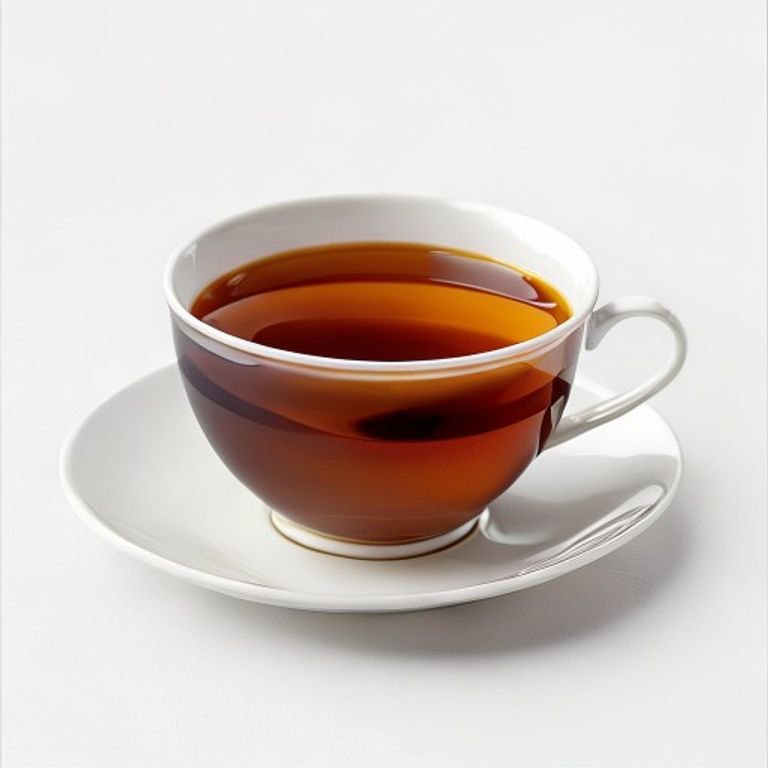
Twinings
Twinings Decaf English Breakfast, 50 Tea Bags
Compare at 2 retailers →
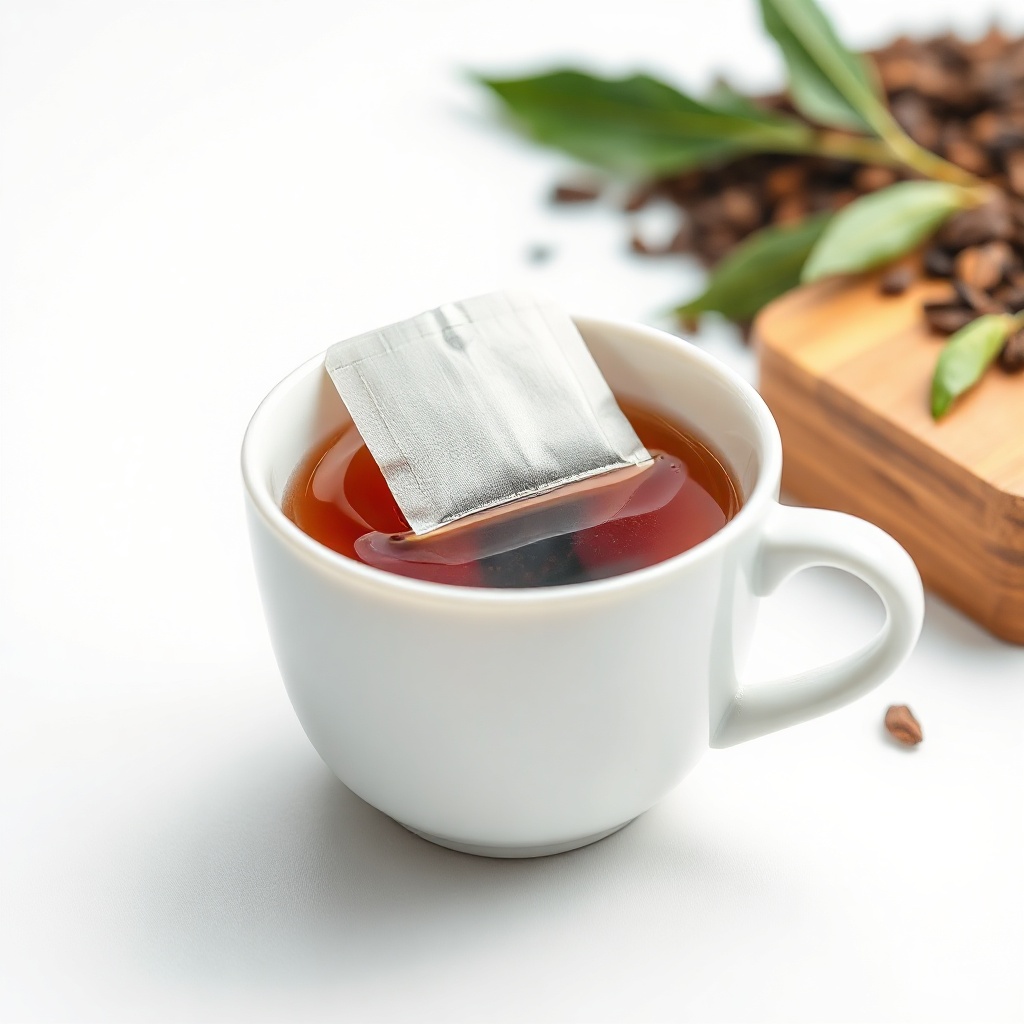
Lipton
Lipton Decaffeinated Black Tea, 100 Bags
Compare at 2 retailers →
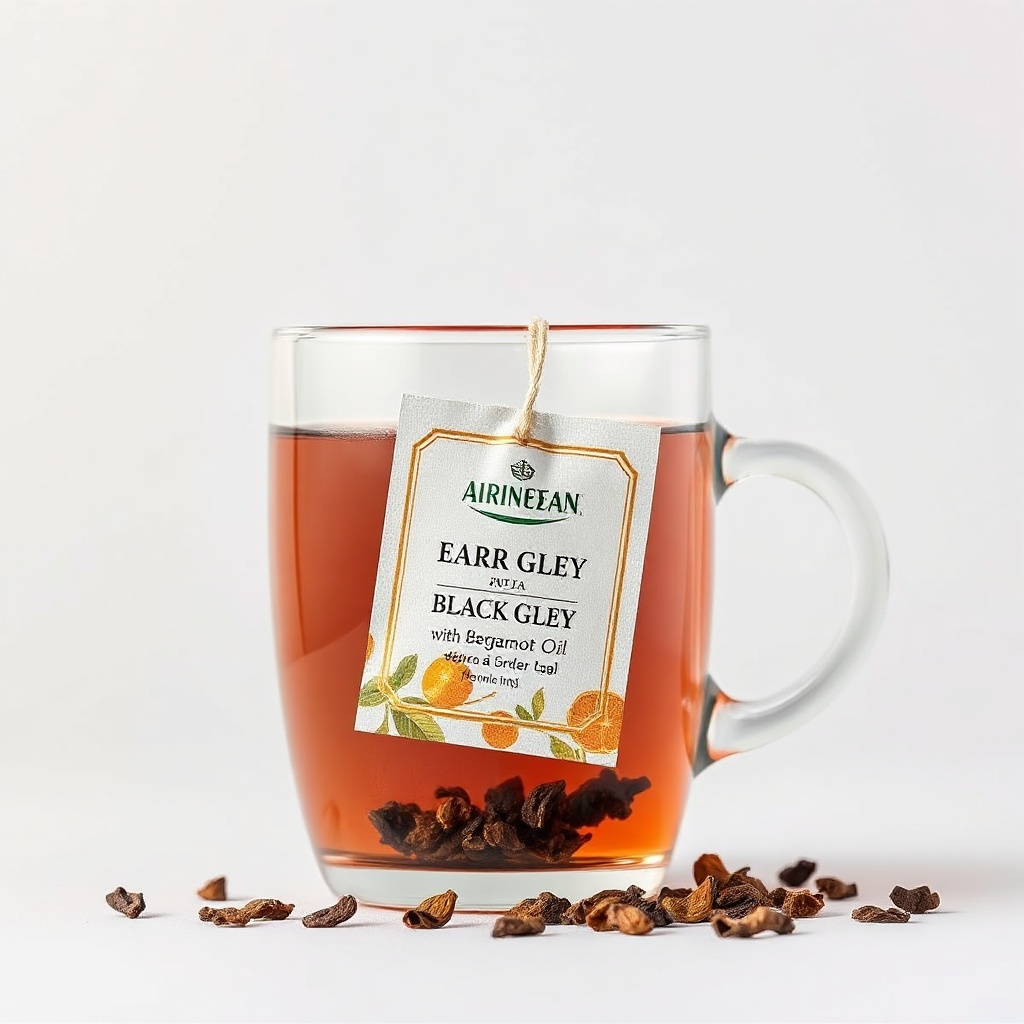
Stash
Stash Decaf Earl Grey Black Tea, 100 Bags
Compare at 2 retailers →
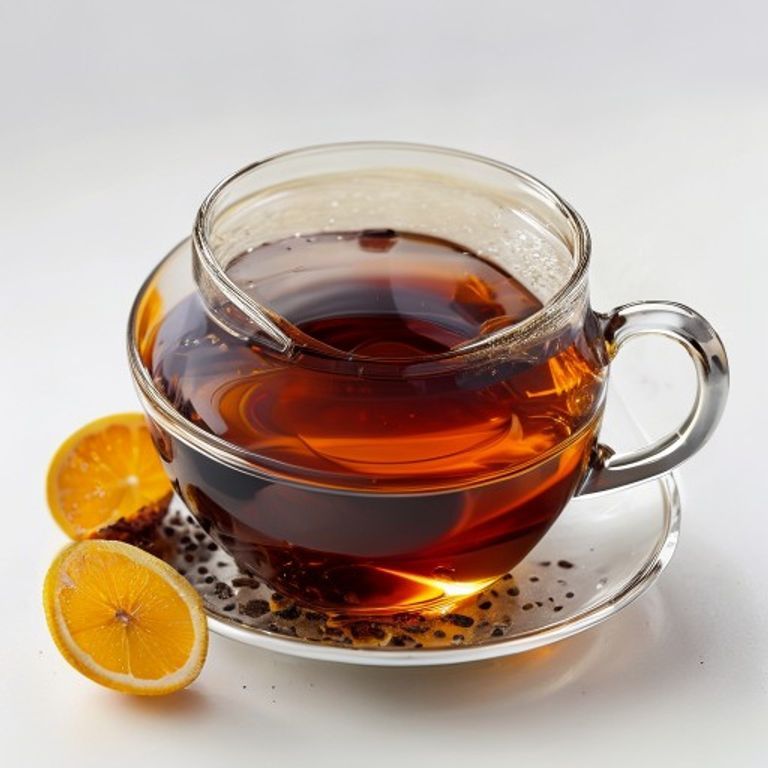
Harney & Sons
Harney & Sons Decaf Earl Grey, 20 Sachets
Compare at 3 retailers →
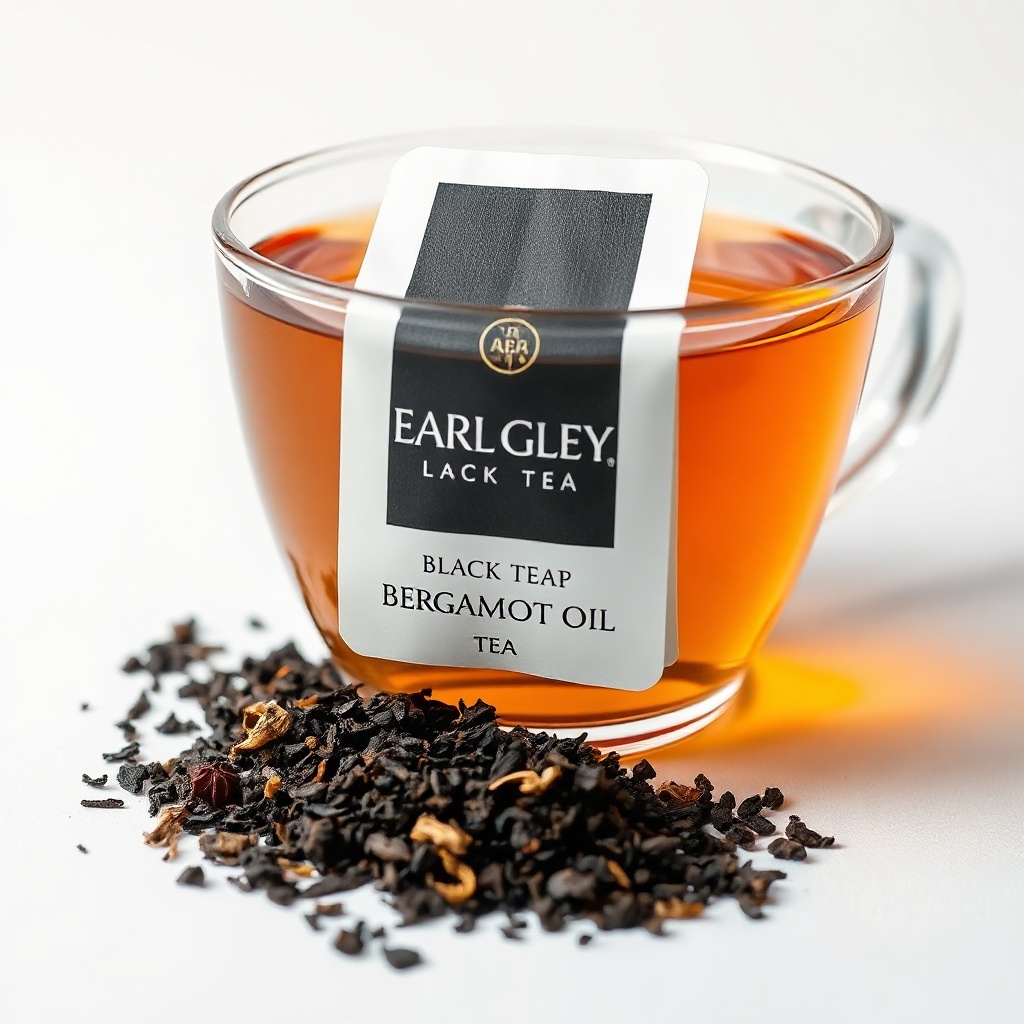
Numi
Numi Organic Decaf Earl Grey, 16 Bags
Compare at 2 retailers →
Tazo
Tazo Decaf Spiced Chai, 20 Bags
Compare at 2 retailers →
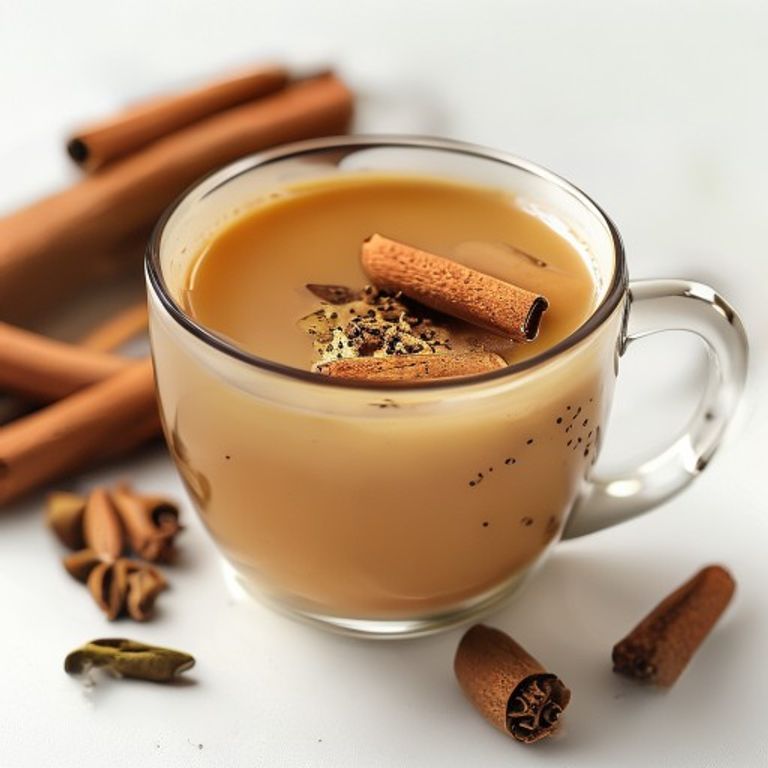
Bigelow
Bigelow Vanilla Chai Decaf, 20 Bags
Compare at 2 retailers →
Choice Organic Teas
Choice Organic Decaf Earl Grey, 16 Tea Bags
Compare at 2 retailers →
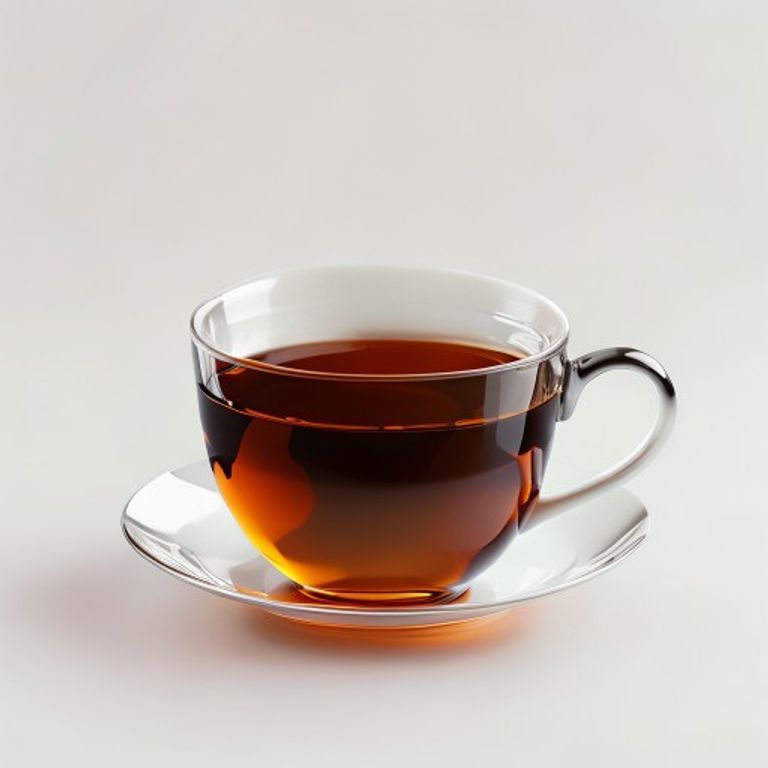
Celestial Seasonings
Celestial Seasonings Decaf Green Tea, 40 Bags
Compare at 2 retailers →
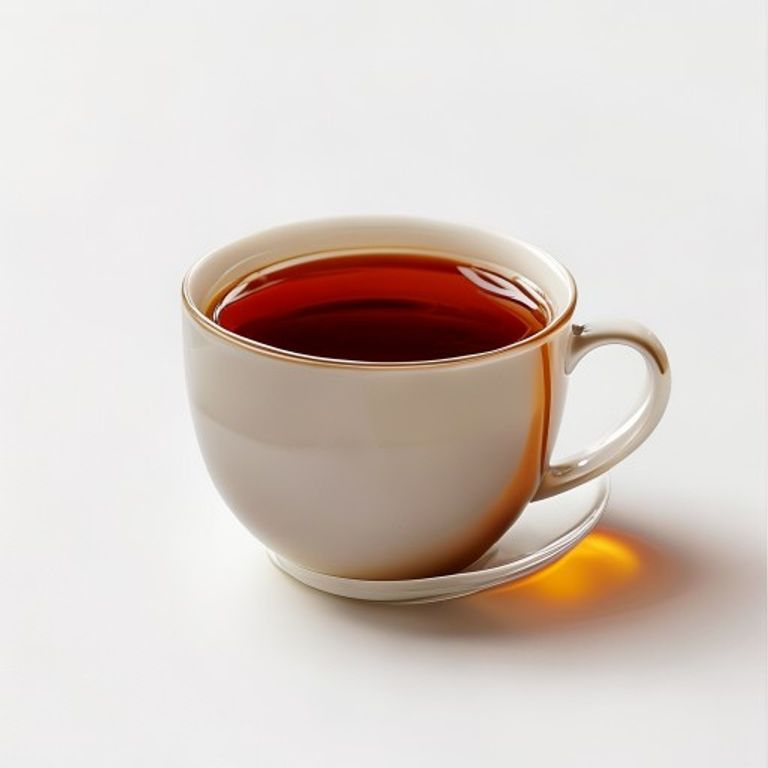
Barry's Tea
Barry's Decaf Classic, 40 Tea Bags
Compare at 2 retailers →
FAQ
- Is decaf tea really decaf?
- It retains 1-5mg caffeine per 8oz cup vs. 40-70mg for regular tea — about 95-97% of the caffeine is removed. For pregnancy, sleep, and most medical contexts this is well within safe limits. For total zero-caffeine, choose herbal.
- Does decaf tea taste different?
- Modern CO2 decaf is very close to regular. There's a slight reduction in body and complexity, but most casual drinkers won't notice. Decaf Earl Grey and chai are particularly hard to distinguish from regular.
- Can I drink decaf tea while pregnant?
- Yes — the residual caffeine is well below the 200mg/day limit ACOG recommends in pregnancy. Talk to your OB if you have specific concerns. Herbal teas (chamomile, ginger) are also pregnancy-safe and naturally caffeine-free.
- What's the best decaf tea brand?
- Twinings Decaf Earl Grey or English Breakfast for everyday. Harney Decaf Earl Grey for upgrade. Bigelow Vanilla Chai Decaf for chai. All use CO2 decaffeination.