Best Tea Bags Editors
Best Oolong Tea (2026)
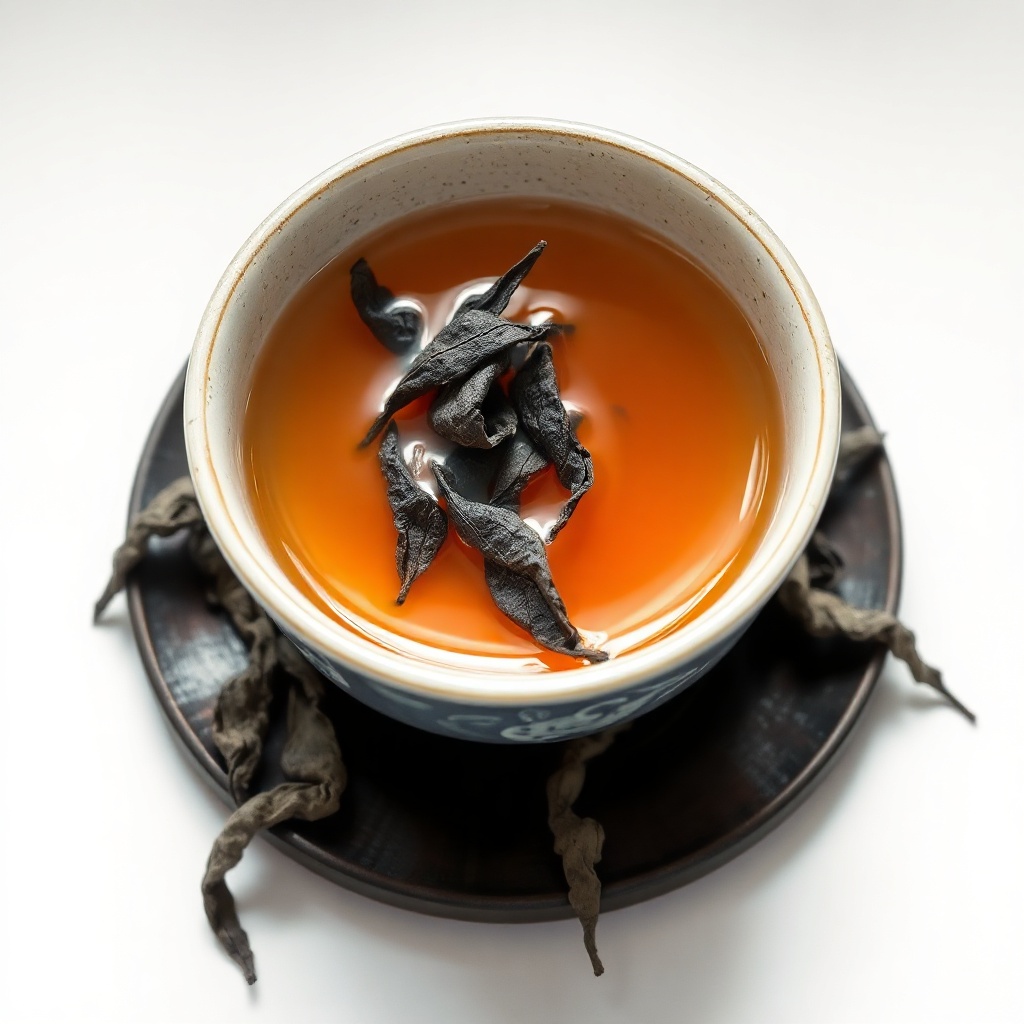
Oolong sits between green and black tea — partially oxidized (10-80%, depending on style), giving it a flavor range wider than any other tea category. Light oolongs (Tieguanyin, jade oolong) taste floral and creamy. Dark oolongs (Da Hong Pao, Wuyi cliff teas) are roasted, minerally, and slightly smoky.
17 found
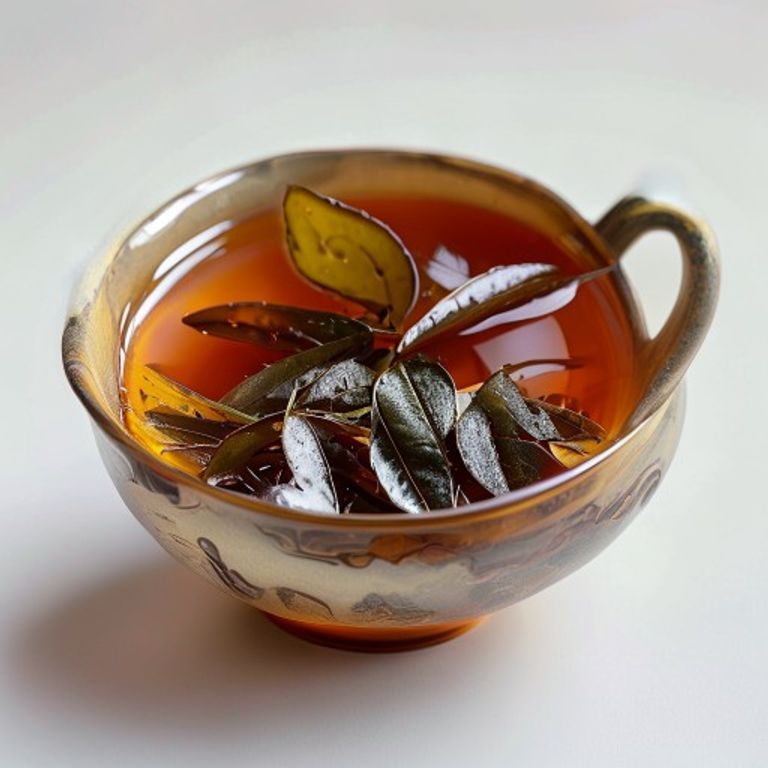
Numi
Numi Organic Iron Goddess of Mercy Oolong, 16 Bags
Compare at 2 retailers →
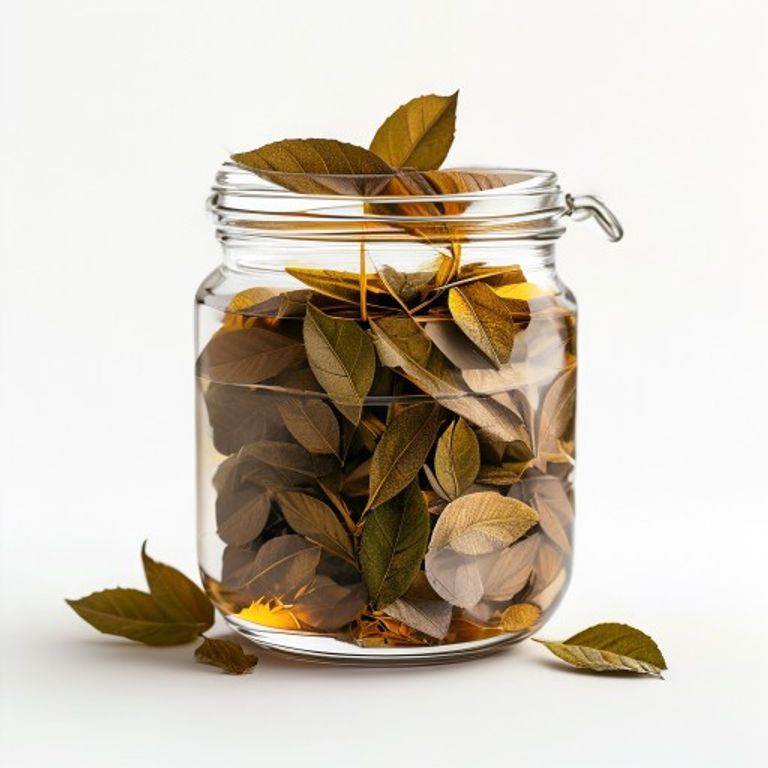
David's Tea
David's Tea Mother of Dragons, 50g Loose Leaf
Compare at 3 retailers →
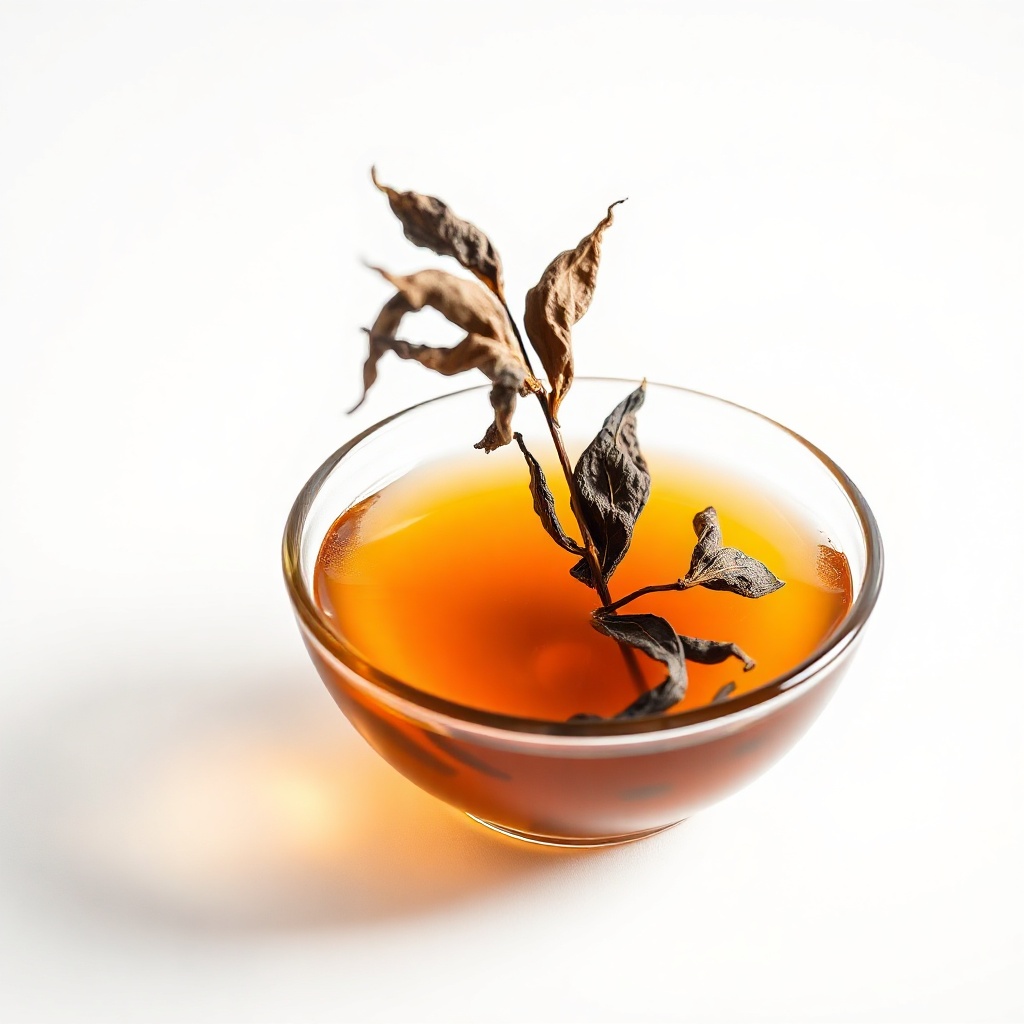
Taiwan Tea King
High Mountain Taiwan Oolong Loose Leaf
Compare at 2 retailers →
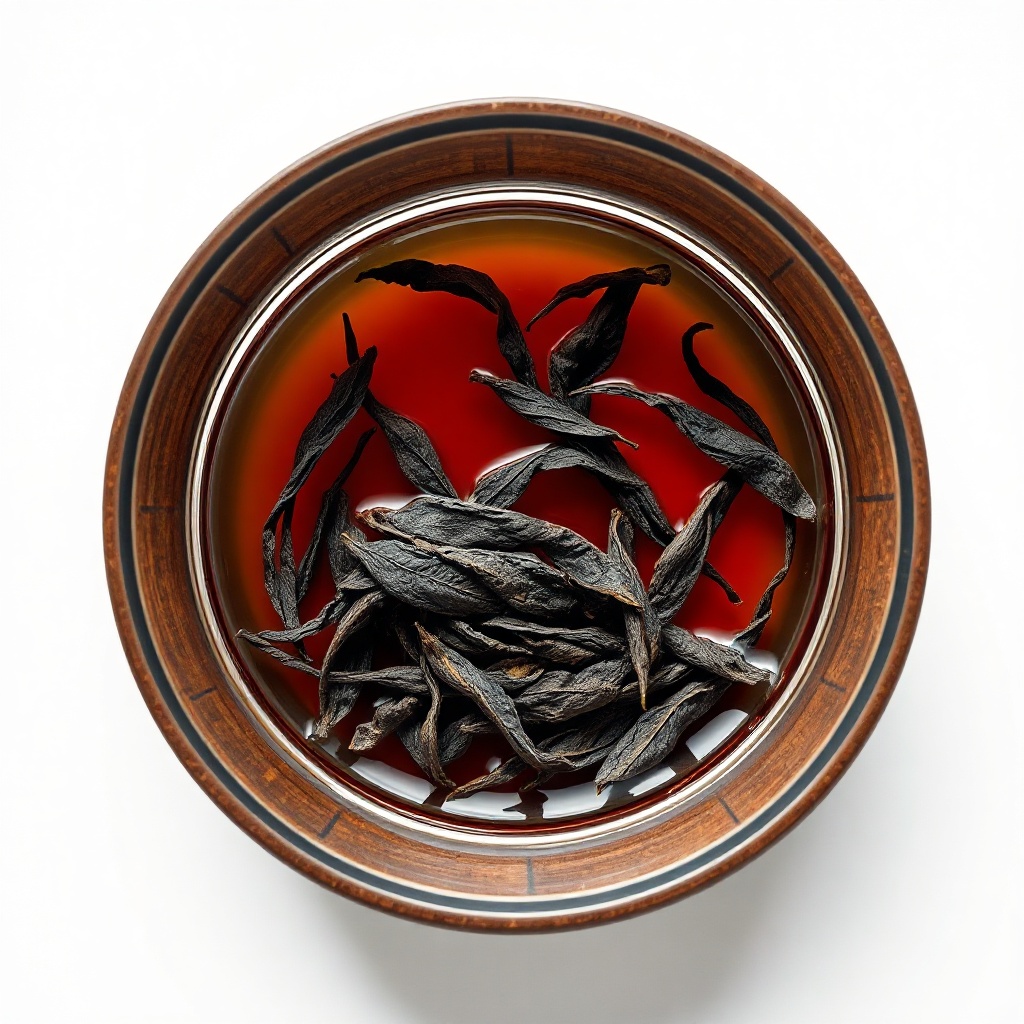
Tealyra
Tealyra Da Hong Pao Oolong, 100g
Compare at 2 retailers →
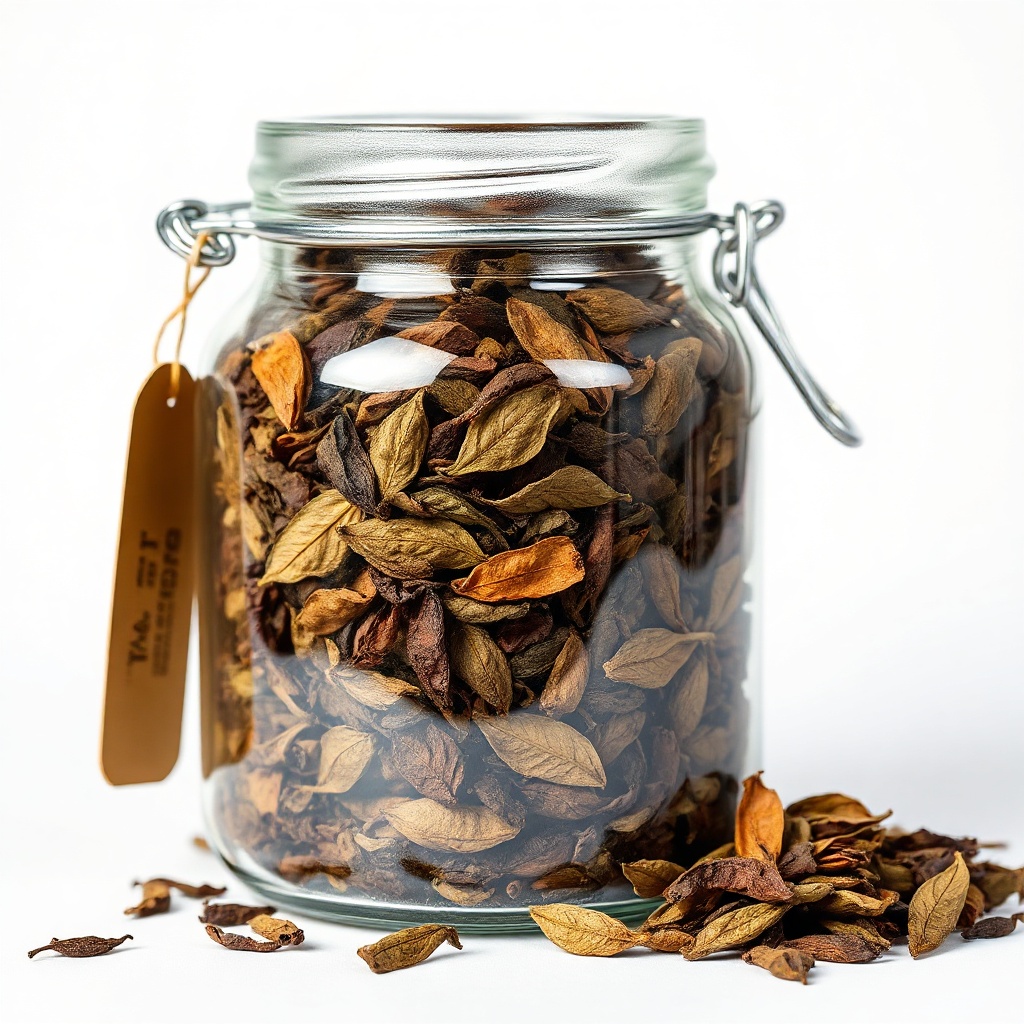
Adagio Teas
Adagio Ti Kuan Yin Loose Leaf
Compare at 3 retailers →
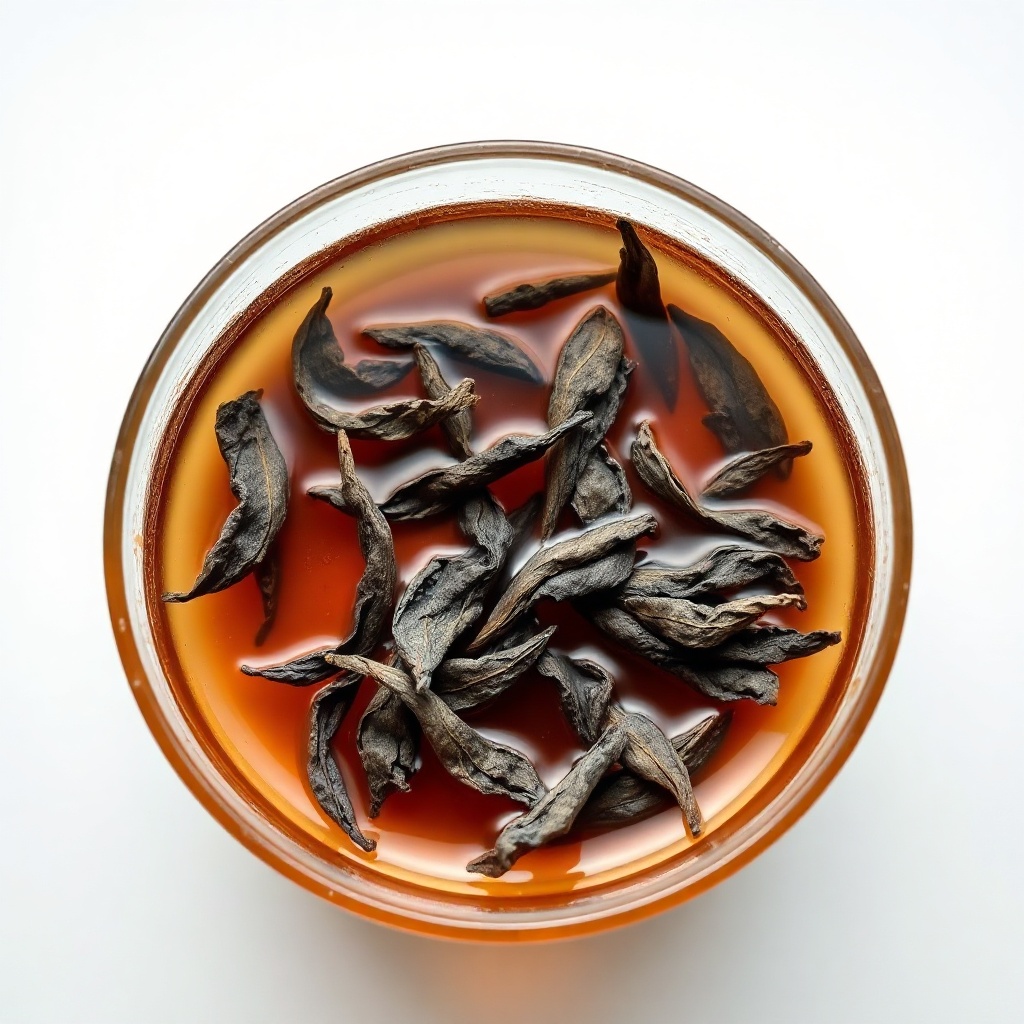
Art of Tea
Art of Tea Ginseng Oolong Loose Leaf
Compare at 2 retailers →
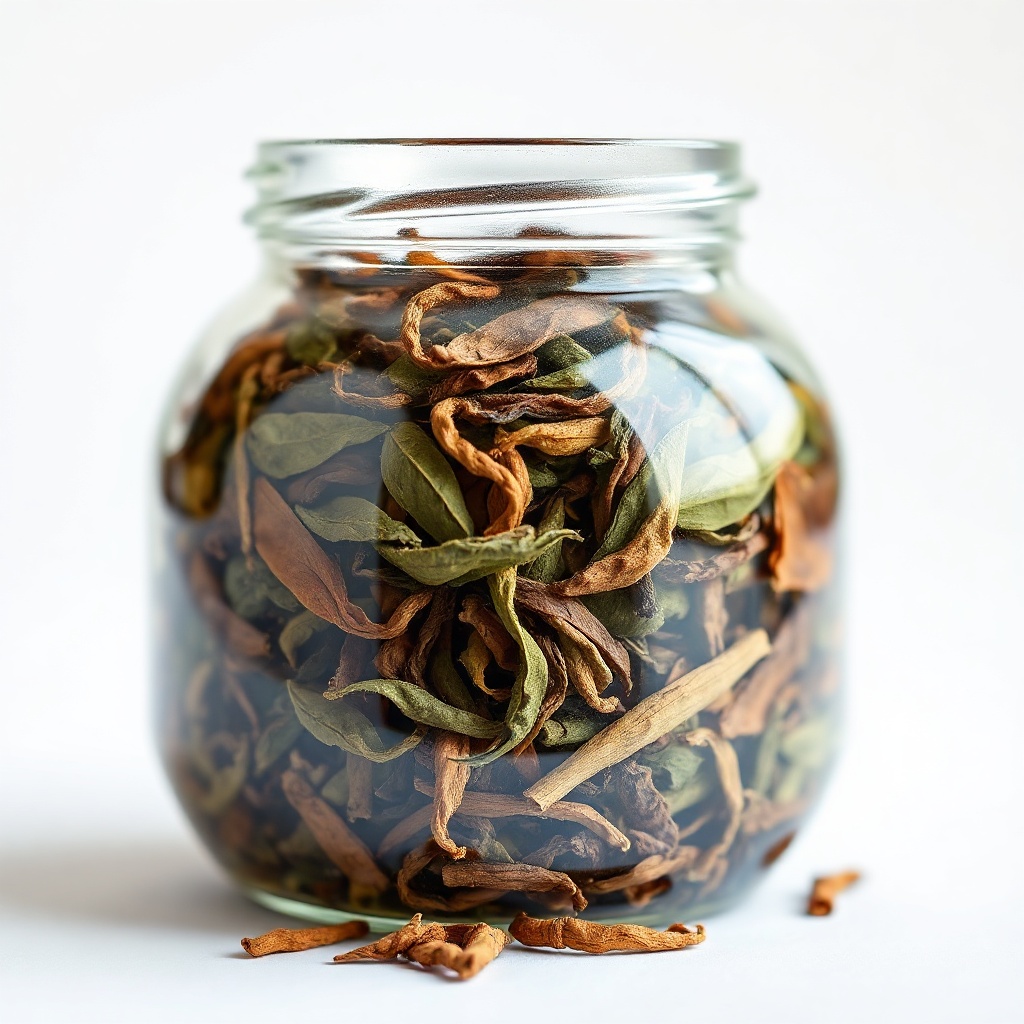
Adagio Teas
Adagio Wuyi Ensemble Loose Leaf
Compare at 3 retailers →
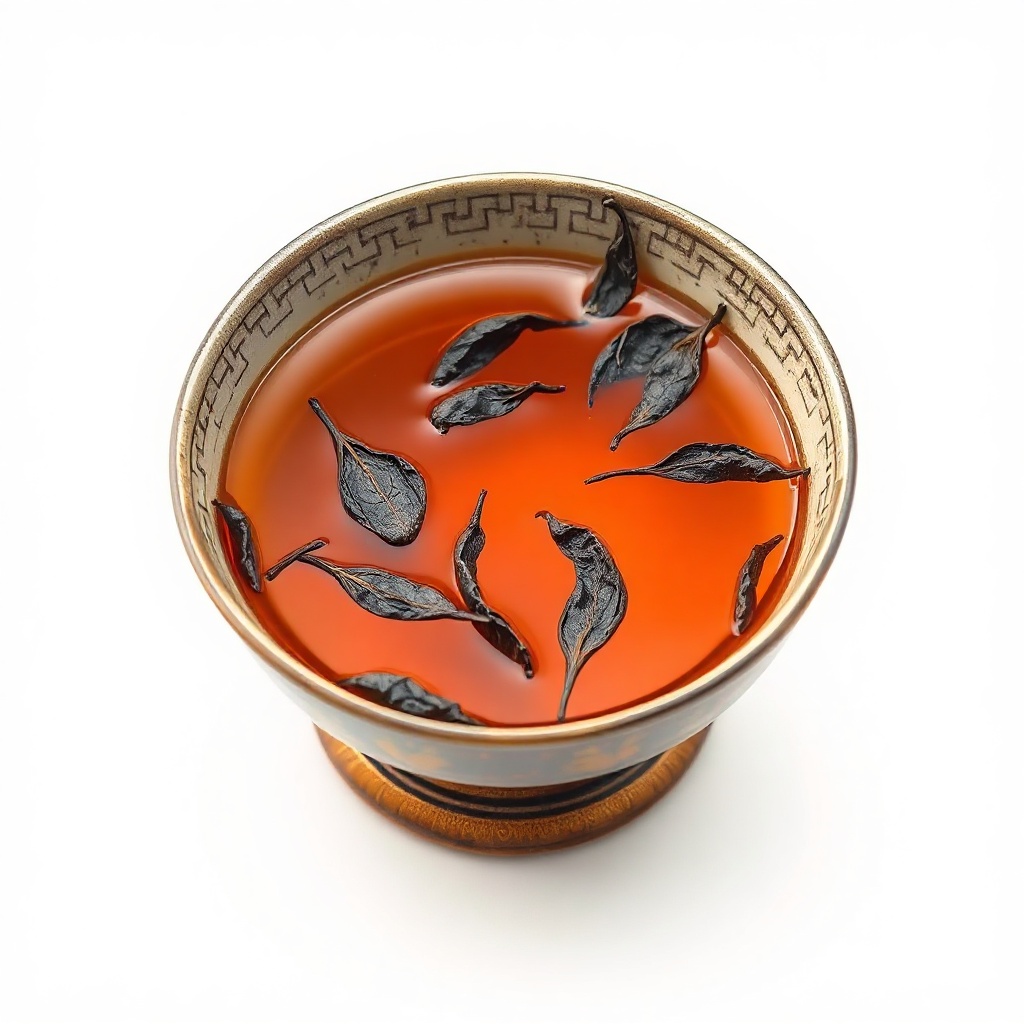
Tealyra
Tealyra Iron Goddess of Mercy Oolong, 4 oz
Compare at 2 retailers →
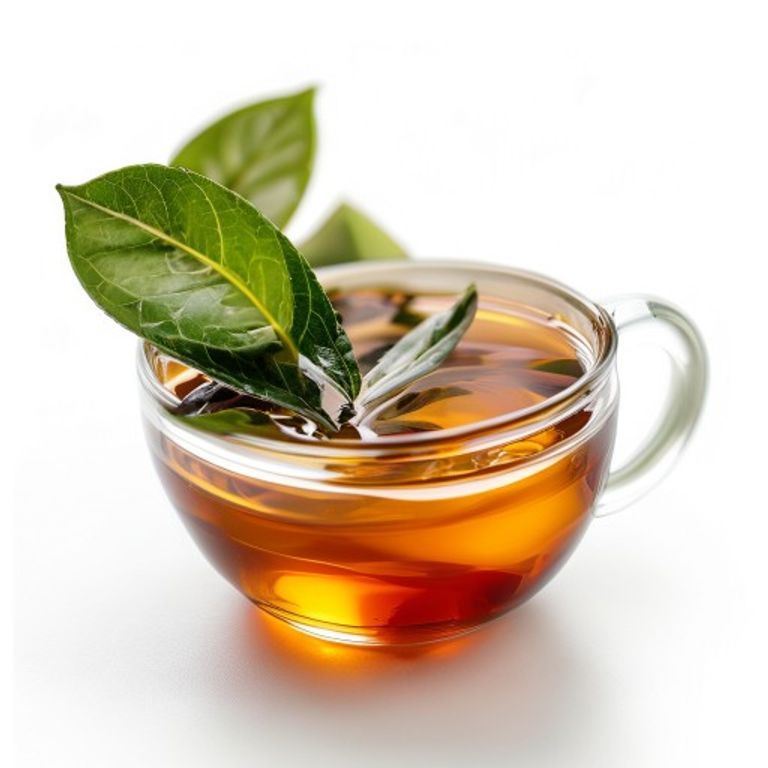
Harney & Sons
Harney & Sons Formosa Oolong Loose Leaf
Compare at 3 retailers →
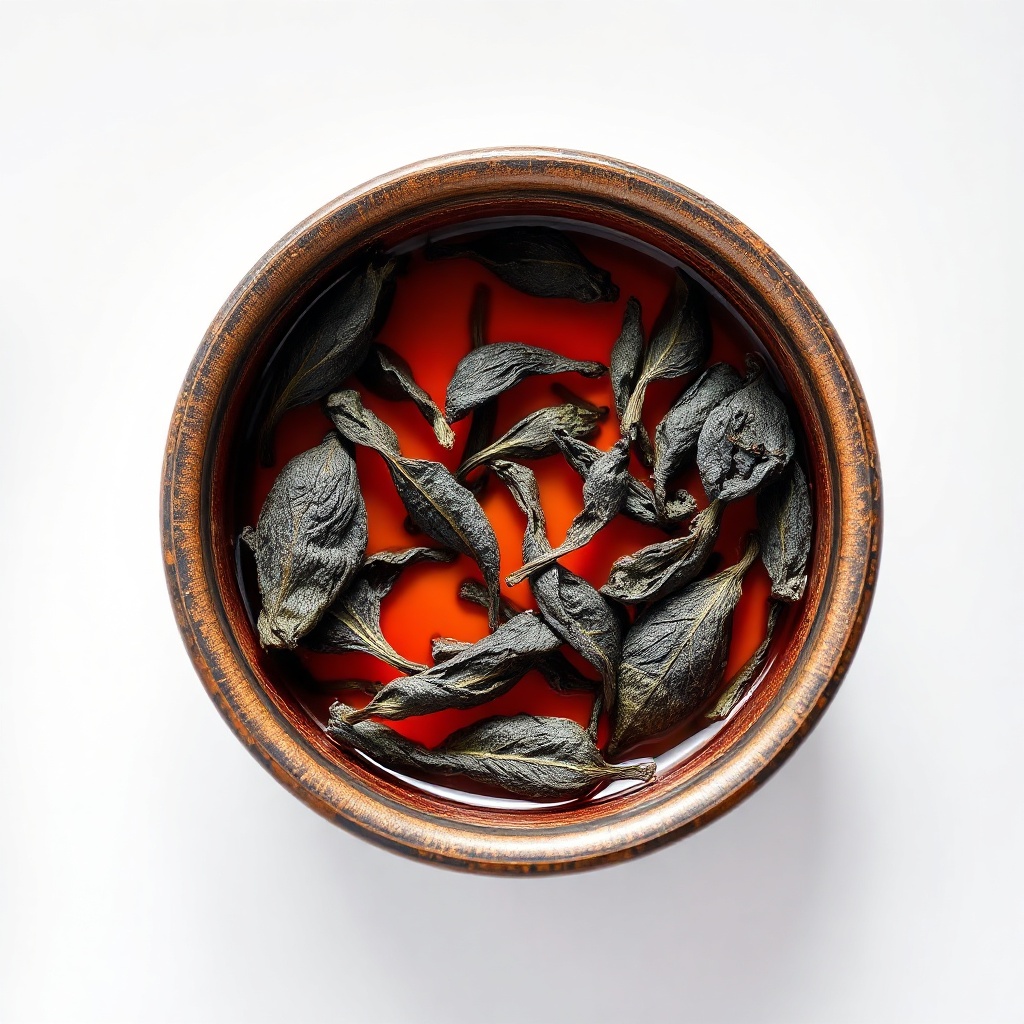
David's Tea
David's Tea Quangzhou Milk Oolong Loose, 50g
Compare at 3 retailers →
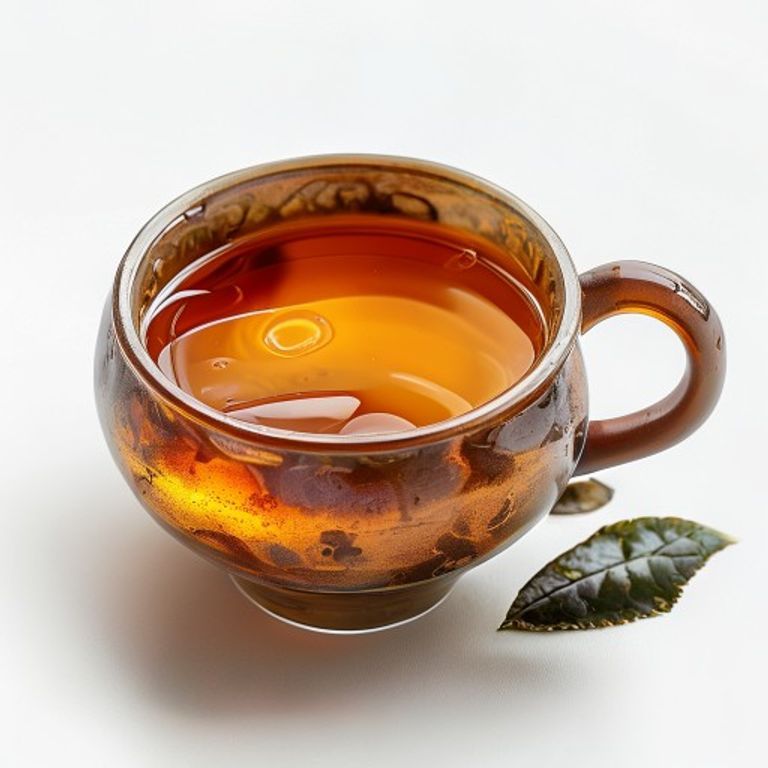
Adagio Teas
Adagio Milk Oolong Tea Loose Leaf
Compare at 3 retailers →
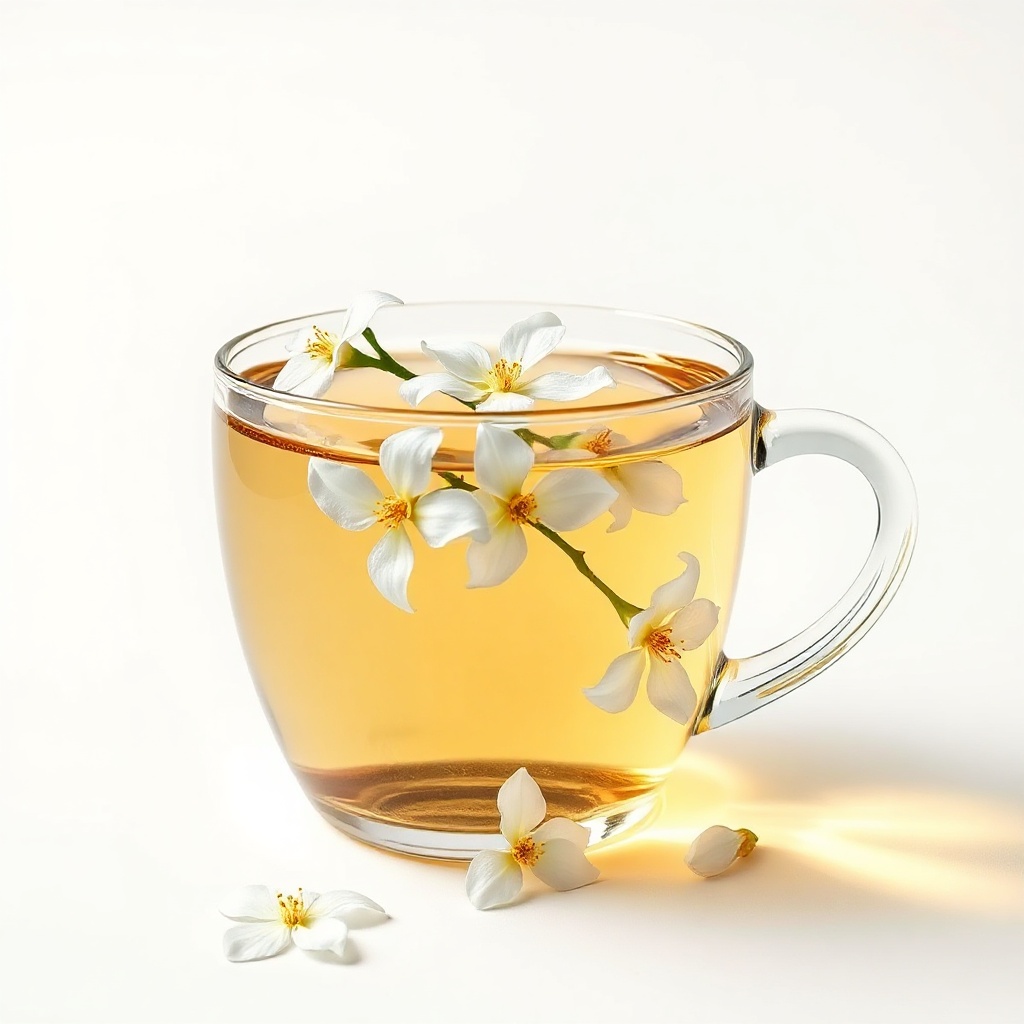
The Republic of Tea
The Republic of Tea Jasmine Jazz Oolong, 50 Bags
Compare at 3 retailers →
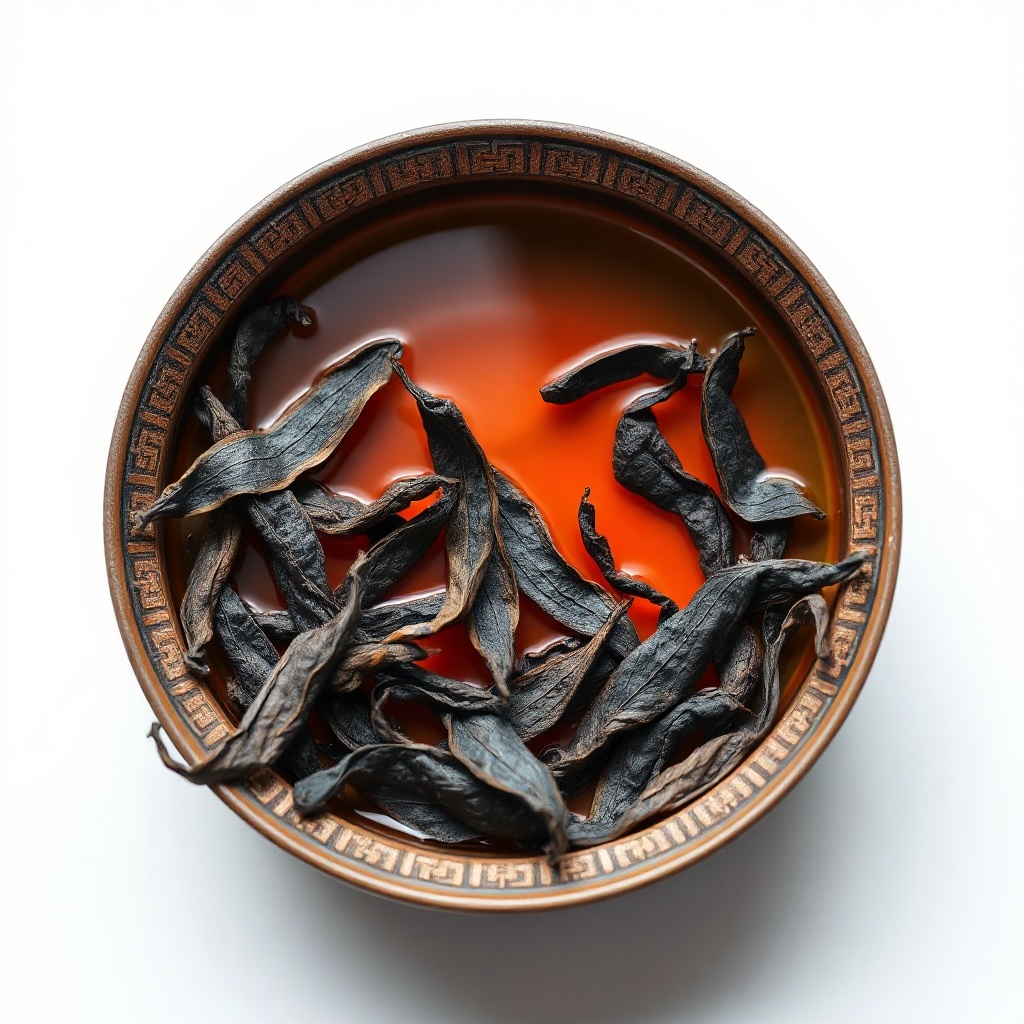
Rishi
Rishi Ginger Lily Oolong Loose Leaf
Compare at 2 retailers →
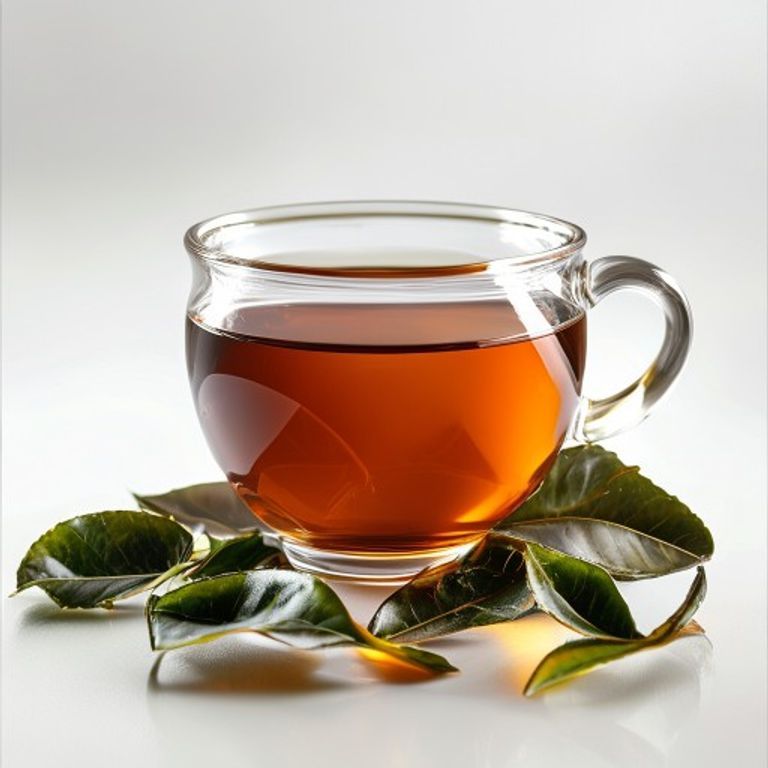
David's Tea
David's Tea Pomegranate Oolong, 50g Loose Leaf
Compare at 3 retailers →
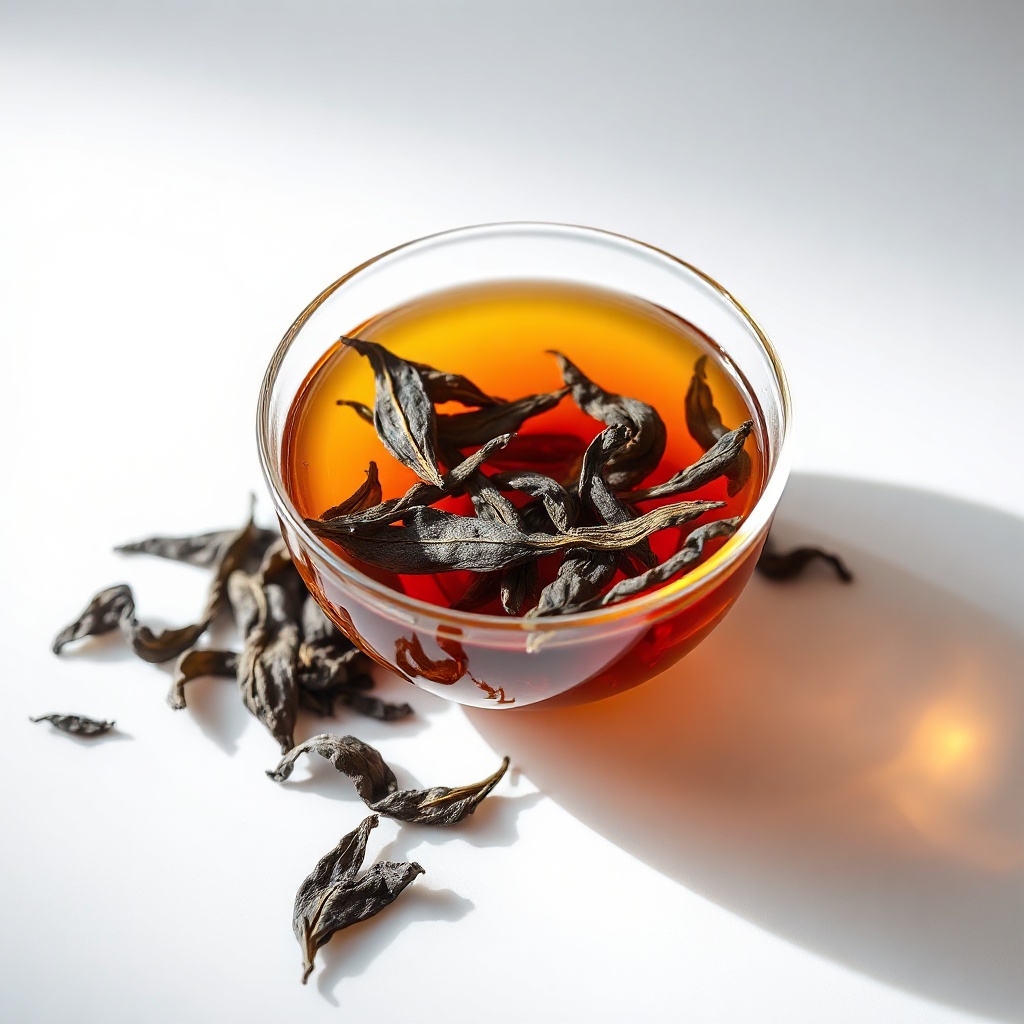
Numi
Numi Toasted Rice Oolong, 16 Bags
Compare at 2 retailers →
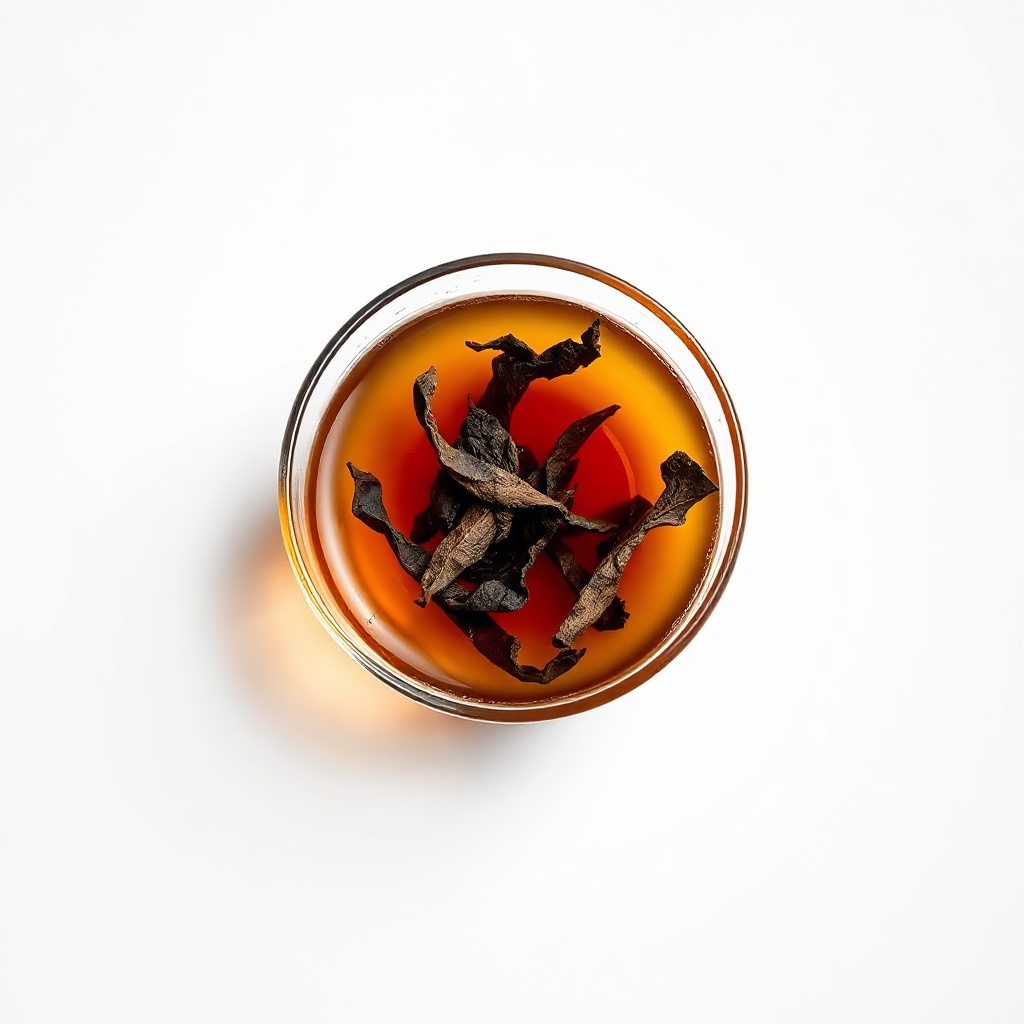
Harney & Sons
Harney & Sons Decaf Oolong Loose Leaf
Compare at 3 retailers →
Twinings
Twinings Pure Oolong, 25 Sachets
Compare at 2 retailers →
FAQ
- What's the best oolong tea for beginners?
- Adagio Milk Oolong or Numi Iron Goddess — both light-style, naturally creamy, and forgiving. Or grab Harney Formosa Oolong for a peachy mid-oxidation introduction.
- Can you re-steep oolong tea bags?
- Yes — premium oolong sachets re-steep 1-2 times. Loose leaf is where you get 4-8 re-infusions and the real economics of oolong drinking.
- How is oolong different from green tea?
- Oolong is partially oxidized; green tea is essentially unoxidized. Oolong has more flavor complexity, less astringency, and is more forgiving to brew (boiling water is fine for darker oolongs).
- Is oolong tea good for weight loss?
- Some studies suggest oolong's polyphenols modestly increase fat oxidation. Effect size is small — drinking oolong won't replace diet and exercise but can support a healthy routine.