Tea's caffeine arrives smoother than coffee's and lasts longer, thanks to L-theanine — an amino acid unique to Camellia sinensis that smooths the caffeine spike and extends the alertness window. The combination is why high-functioning creative work tends to favor tea over coffee.
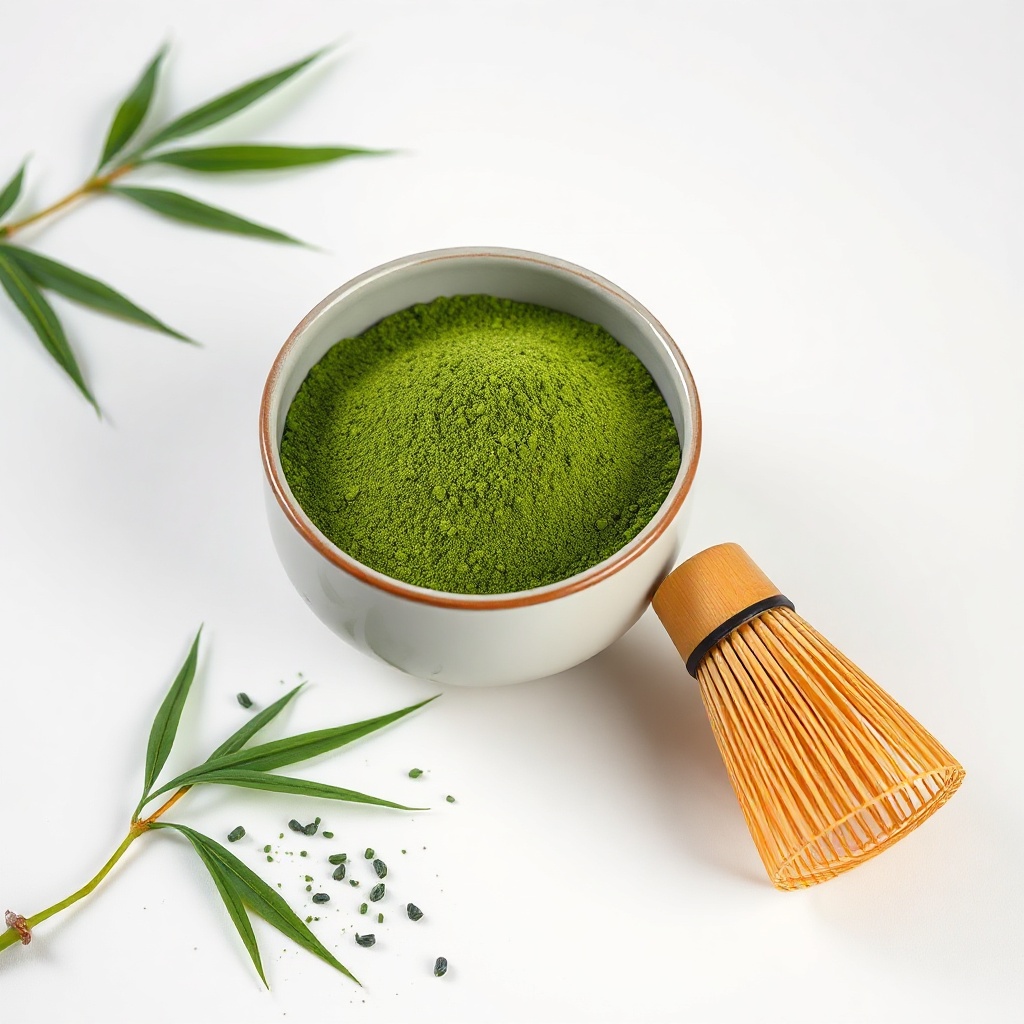
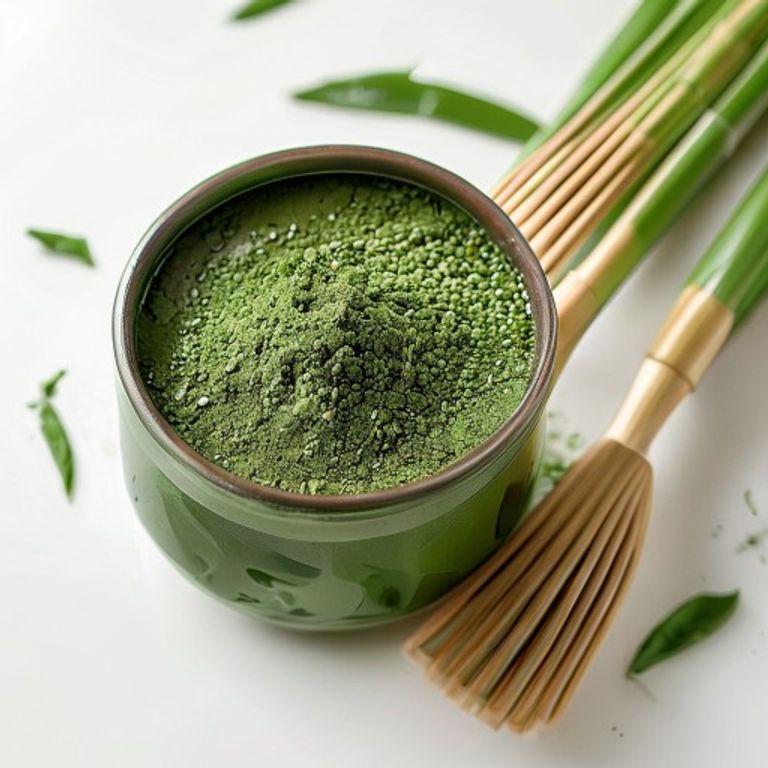
For pure caffeine kick, the leaders are matcha (50-70mg per 2g serving, plus 30-40mg L-theanine) and strong English-style black tea (60-70mg per 8oz cup). For sustained 4-6 hour focus without crash, matcha wins. For waking-up bolt of energy, strong breakfast tea wins.
Matcha is the focus drink
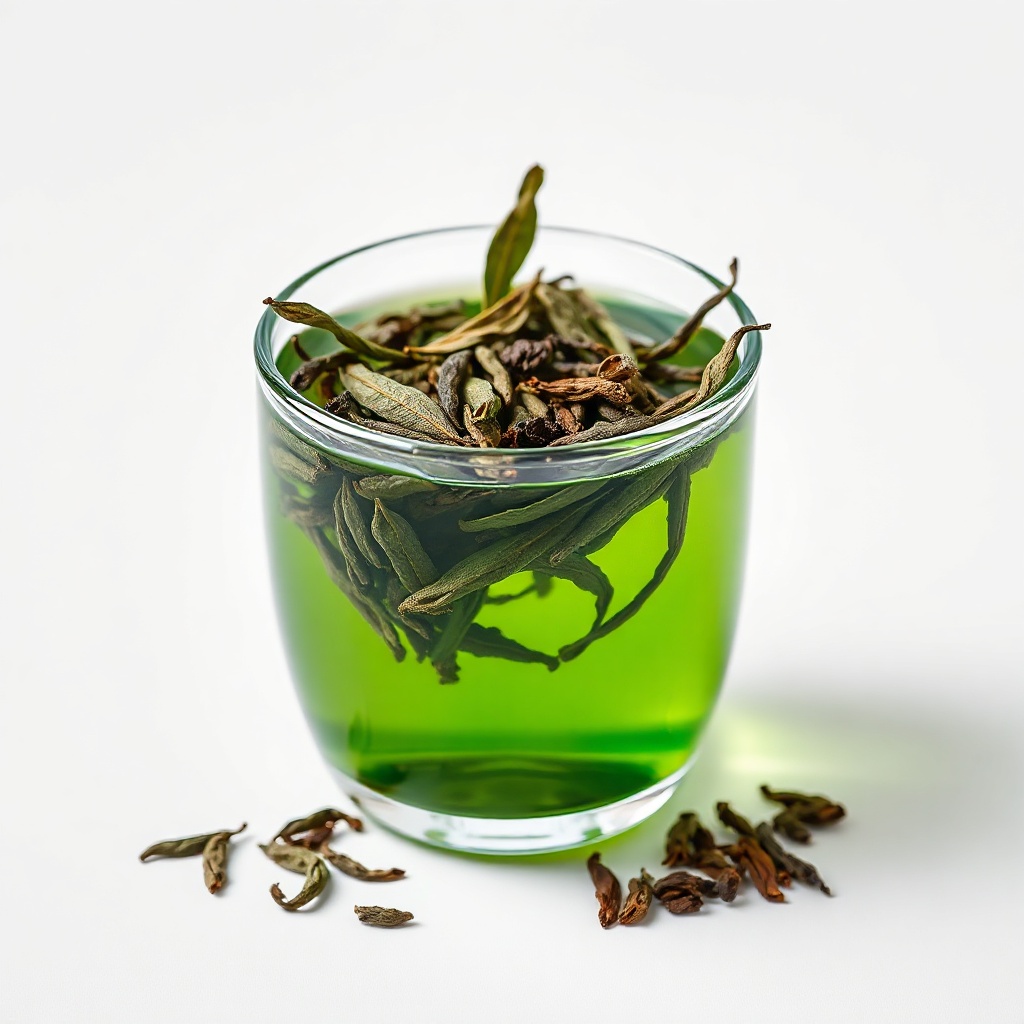
If you do creative or analytical work that needs 4+ hours of clean attention, matcha is the right tool. The 4:1 ratio of caffeine to L-theanine in good ceremonial-grade matcha produces a state called "alert calm" — high focus without anxiety. Studies measure faster reaction time and lower mental fatigue scores compared to caffeine alone.
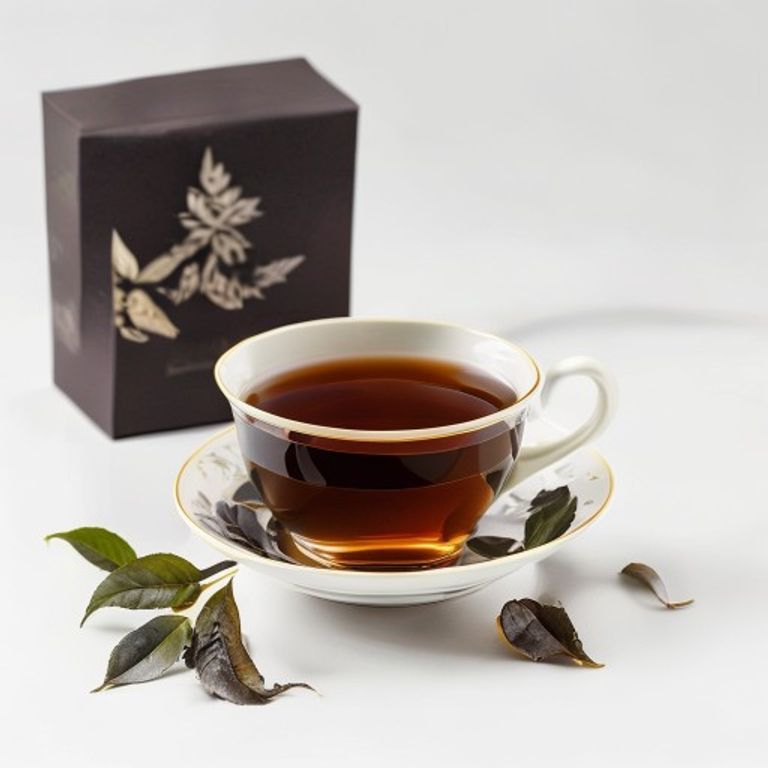
Black tea for morning bolt
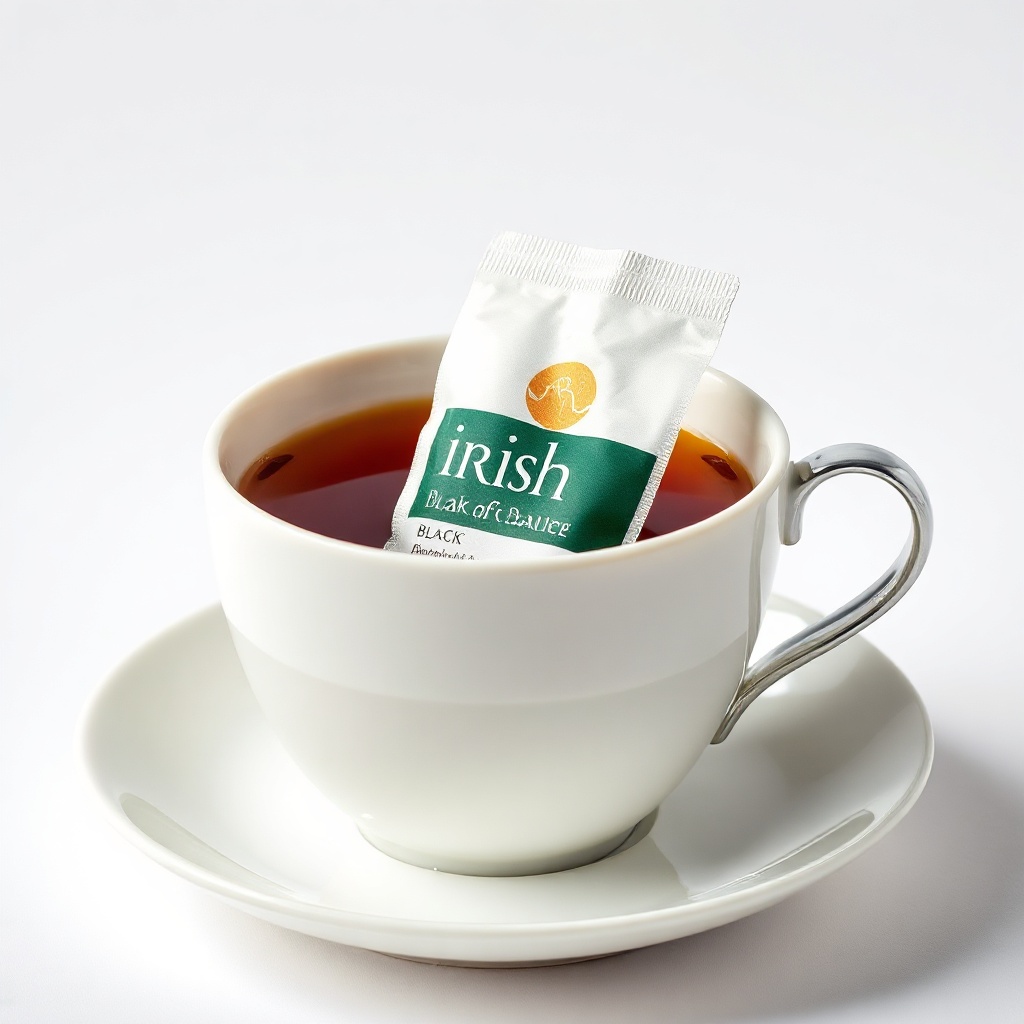
If you need to wake up and get moving, the strongest breakfast blends (Yorkshire Gold, PG Tips, Twinings Irish Breakfast) deliver coffee-comparable caffeine in a softer-on-the-stomach format. Most British workers drink tea instead of coffee for exactly this reason.
Pu-erh — the energy underdog
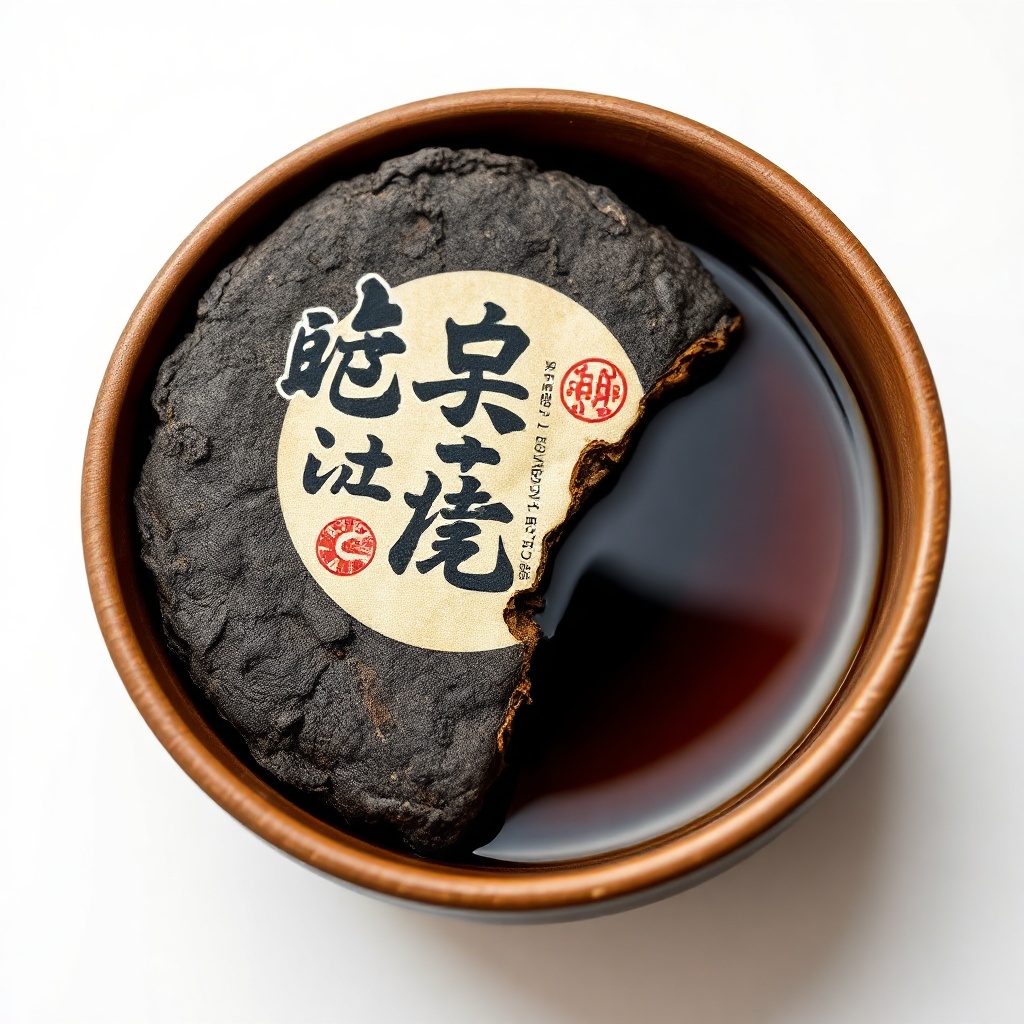
Aged pu-erh has medium caffeine (30-50mg) but unusually long-lasting energy. Yunnan workers drink it before fatty meals; the combination of caffeine + the gut-bacteria-shifting fermentation compounds produces a steady all-day energy without the spike of strong black tea.
What we avoided
- "Energy tea" blends with added guarana, yerba mate, or synthetic caffeine — they work, but the goal of this list is real tea, not a fortified blend.
- Light-caffeine teas (white, sencha) — fine for afternoon, not strong enough for "I need to get something done now."
- Sugar-loaded chai blends — chai's caffeine is solid (60-70mg per cup), but most American chai mixes contain 20-40g sugar, which crashes you out.