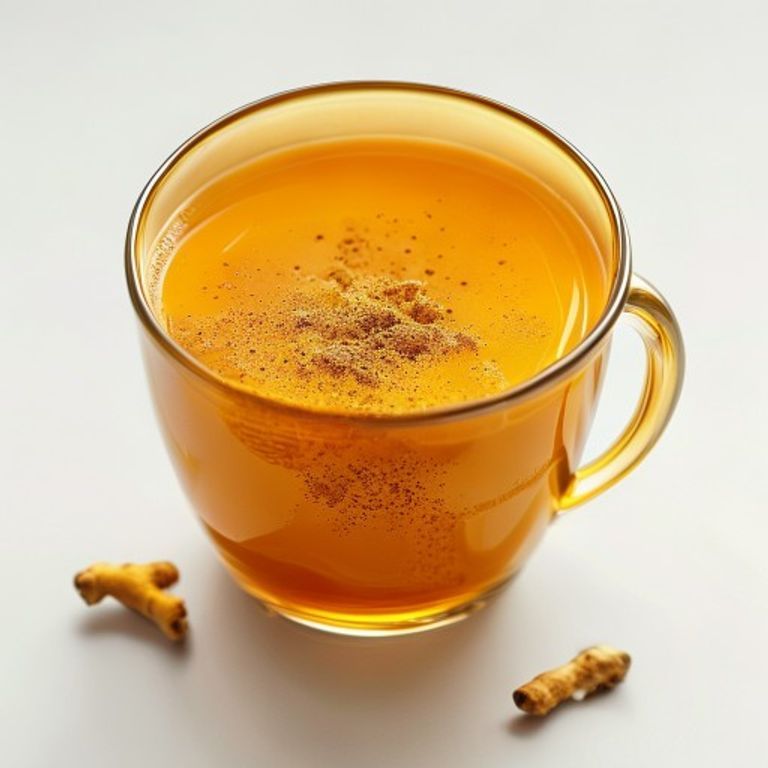
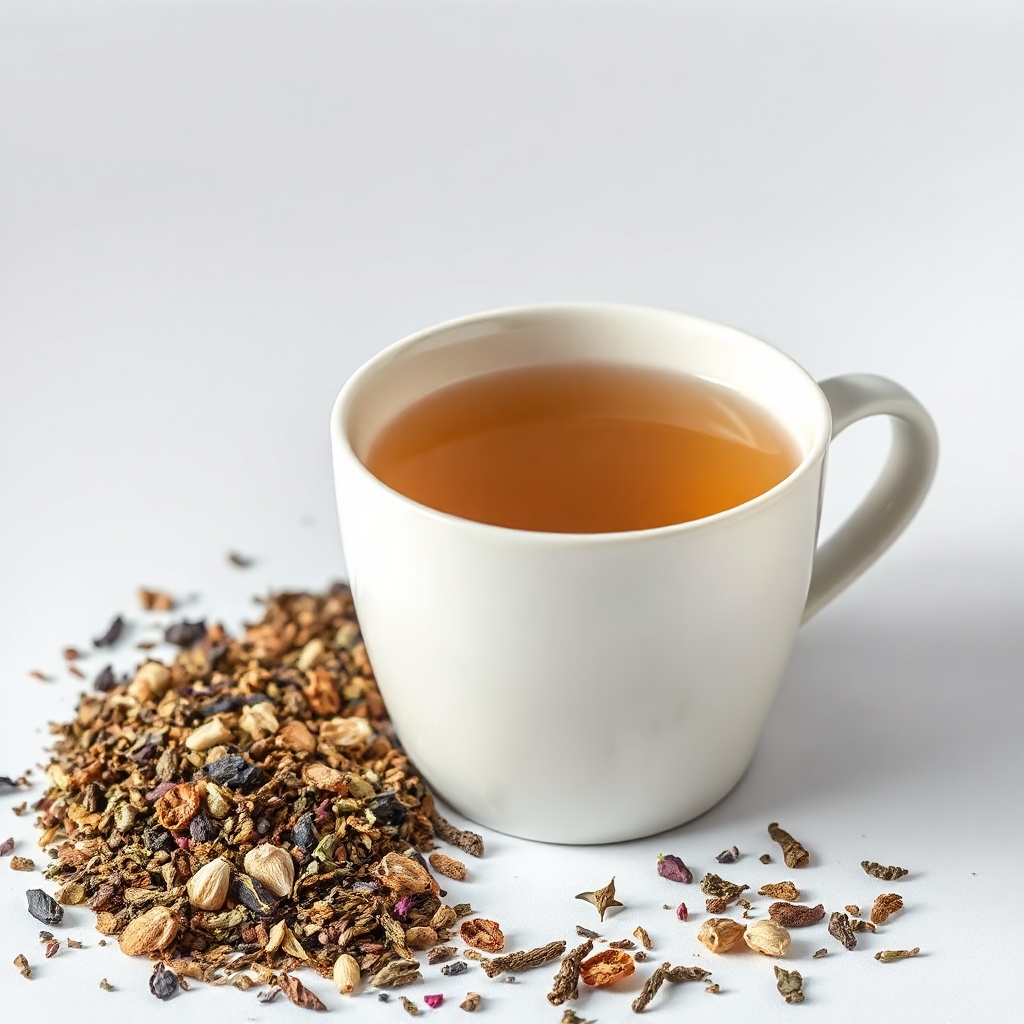
When you feel a scratch in your throat or the start of a chill, certain herbal teas have research-backed immune-supportive effects: elderberry (antiviral activity against influenza), echinacea (modest reduction in cold duration), licorice root (soothes mucous membranes), ginger (anti-inflammatory + circulatory), and mullein (traditional respiratory support).
What the research says
Elderberry: meta-analyses show meaningful reduction in flu symptom duration. Echinacea: mixed but generally positive — modest reduction in cold incidence and duration. Licorice + slippery elm (Throat Coat): clinical trial support for sore throat relief. Ginger: well-supported anti-inflammatory and antiviral activity in vitro.
Top picks
Yogi Cold Season layers mullein, elderflower, and licorice into one of the best-blended cold-and-flu herbal teas on the U.S. market. Traditional Medicinals Throat Coat is the gold-standard for sore-throat relief — clinical trials specifically use this blend.
Tea + zinc + sleep
The strongest evidence-based cold protocol: zinc lozenges (75mg/day) within 24 hours of symptom onset, 8+ hours of sleep nightly, and 3-4 cups of immune-supportive tea per day. None of these alone is dramatic; together they meaningfully shorten and weaken a cold.
What we excluded
"Immunity boosters" with mega-doses of vitamin C or proprietary blends — vitamin C above 200mg/day shows no additional benefit in colds, and proprietary blends usually under-dose the active herbs to fit a marketing claim.