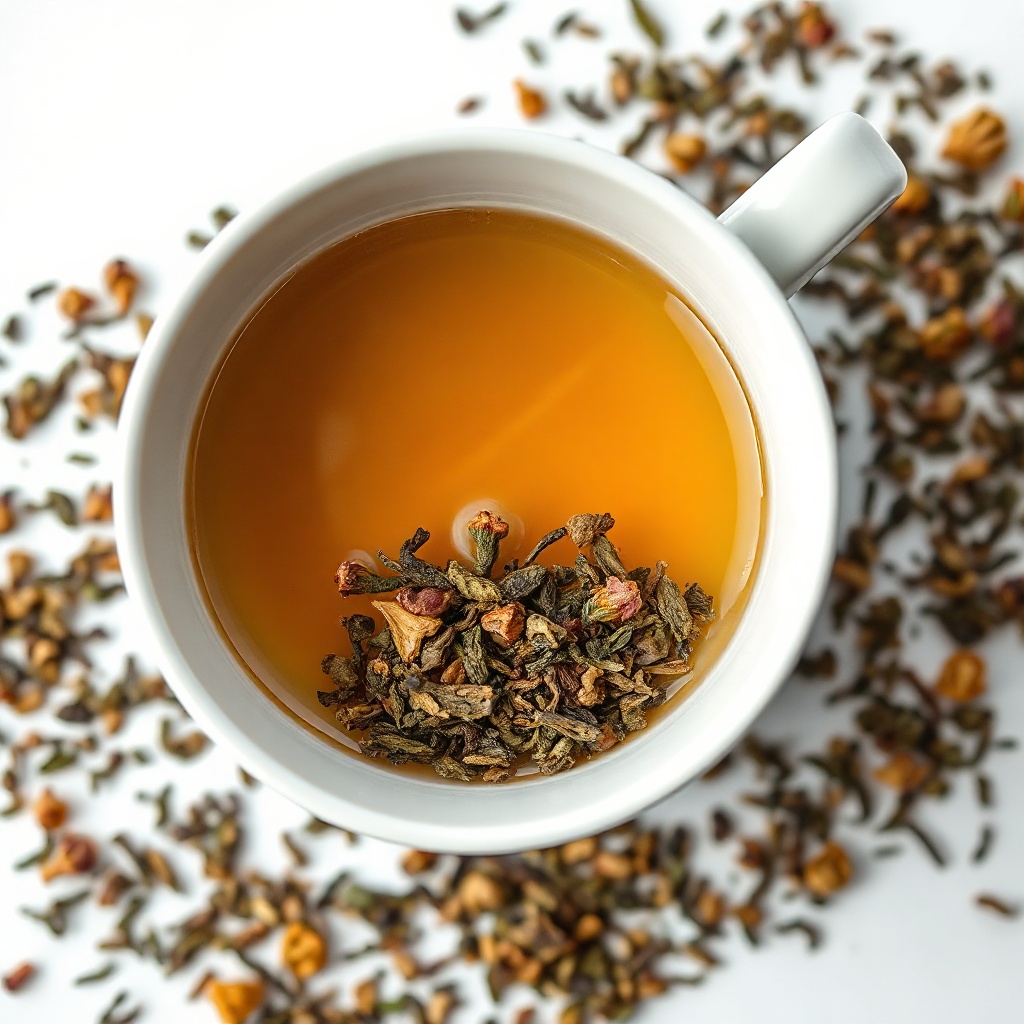

Peppermint, ginger, and fennel are the three best-evidenced digestive herbs. Peppermint relaxes smooth muscle (clinical trials specifically support its use for IBS-related cramping and bloating). Ginger reduces nausea (the gold-standard non-pharmaceutical for motion sickness, morning sickness, and chemo-induced nausea). Fennel is a milder anti-spasmodic and is particularly good for post-meal bloating.
After fatty meals — pu-erh
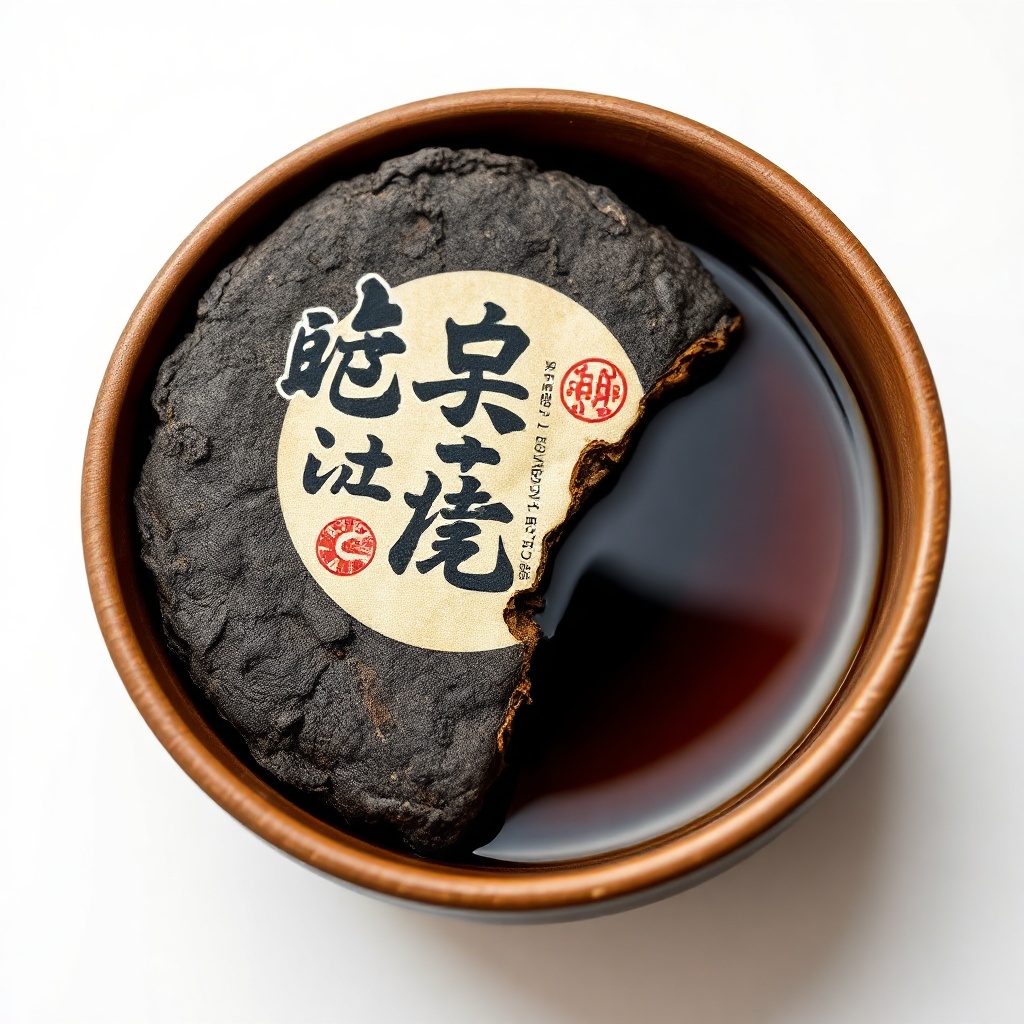
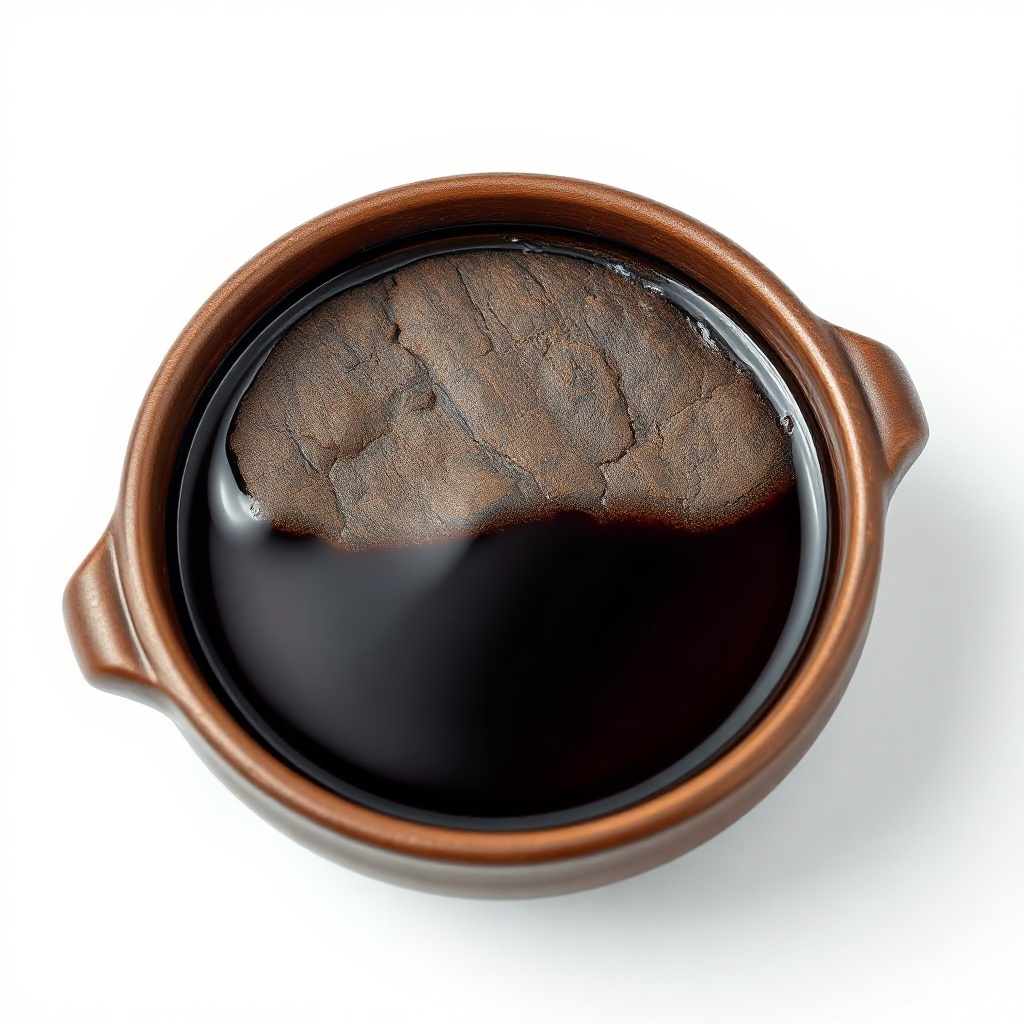
Yunnan and Hong Kong dim-sum culture pairs ripe pu-erh with fatty meals for a reason. Studies show pu-erh modestly improves lipid metabolism and may reduce post-meal blood lipid spikes. The earthy taste cuts through fatty food beautifully.
For IBS — peppermint
Multiple meta-analyses support peppermint oil capsules for IBS. Strong peppermint tea (Pukka Three Mint, Traditional Medicinals Peppermint) delivers a meaningful dose if drunk consistently. Avoid if you have GERD — peppermint relaxes the lower esophageal sphincter.
For nausea — ginger
The gold-standard. Studies use 1-2g dried ginger per day. Strong ginger tea (Traditional Medicinals Organic Ginger) delivers about 1g per bag. Drink 1-2 cups during a queasy episode.
What our editors looked for
- Real dosing on the label (Yogi Stomach Ease lists each herb)
- Organic certification and standardized extracts where applicable
- Pleasant enough to drink consistently — digestive tea works as a habit, not a one-off
- Multi-herb blends with synergistic profiles (ginger + peppermint + fennel)