What is Earl Grey?
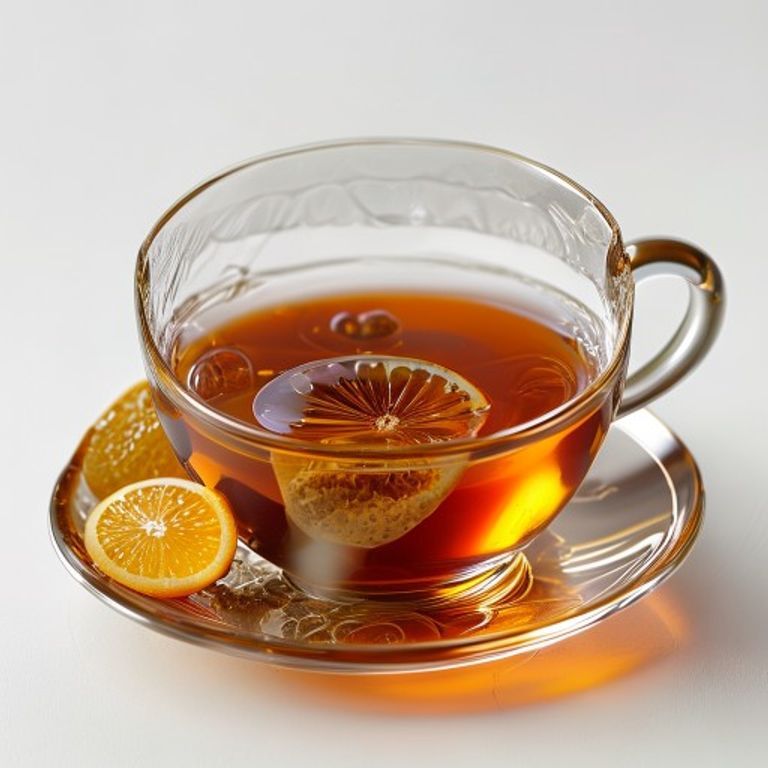
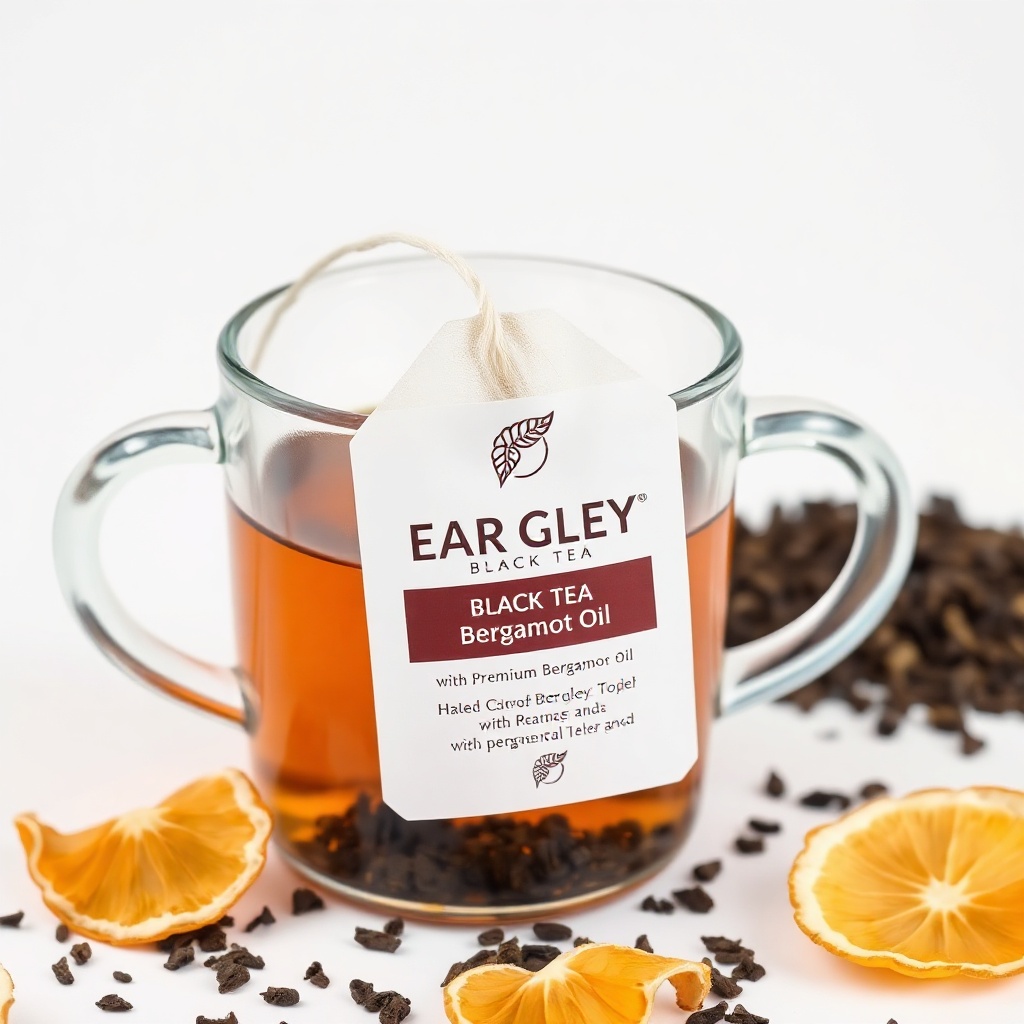
Earl Grey is black tea — typically Ceylon, Indian, or a blend — flavored with bergamot orange oil. Bergamot (Citrus bergamia) is a small, sour citrus fruit grown almost exclusively in Calabria, Italy. The oil from its peel gives Earl Grey its distinctive floral-citrus aroma.
The tea is named after Charles Grey, 2nd Earl Grey, British Prime Minister 1830-1834. Multiple origin stories exist (a Chinese diplomat's gift, a tea blender's creative response to off-flavored Chinese tea), and Twinings disputes them all in favor of a more prosaic story: their family blender created the formula for the Earl in 1831, and the recipe has been passed down inside Twinings ever since.
Twinings of London still owns the original Earl Grey blend and remains the global standard. Their version is Ceylon black tea + bergamot oil, fairly light-bodied, recognizable to anyone who's ever ordered a "tea" in a British or American cafe.
Earl Grey vs. Lady Grey vs. Cream Earl Grey
Standard Earl Grey: black tea + bergamot oil. Twinings, Bigelow, Tetley, Stash all sell quality versions in this style. Lady Grey: a Twinings creation — Earl Grey + orange peel + lemon peel, lighter and more citrus-forward. Cream Earl Grey: Earl Grey + vanilla flavoring, sweeter and rounder. David's Tea's Cream of Earl Grey is the most-loved cream variant.
The premium-tier upgrade is "Earl Grey Supreme" or "Earl Grey Imperial" — typically Ceylon or Yunnan black tea + bergamot + silver tip white tea + cornflower petals for visual appeal. Harney & Sons' Earl Grey Supreme is the gold standard at this tier; Plum Deluxe's Aged Earl Grey ages bergamot in oak barrels for added complexity.
For those who want all the flavor without the caffeine, Twinings and Harney both make decaf versions — CO2-decaffeinated Ceylon black tea with the same bergamot oil. The flavor is nearly identical to caffeinated.
How to brew Earl Grey
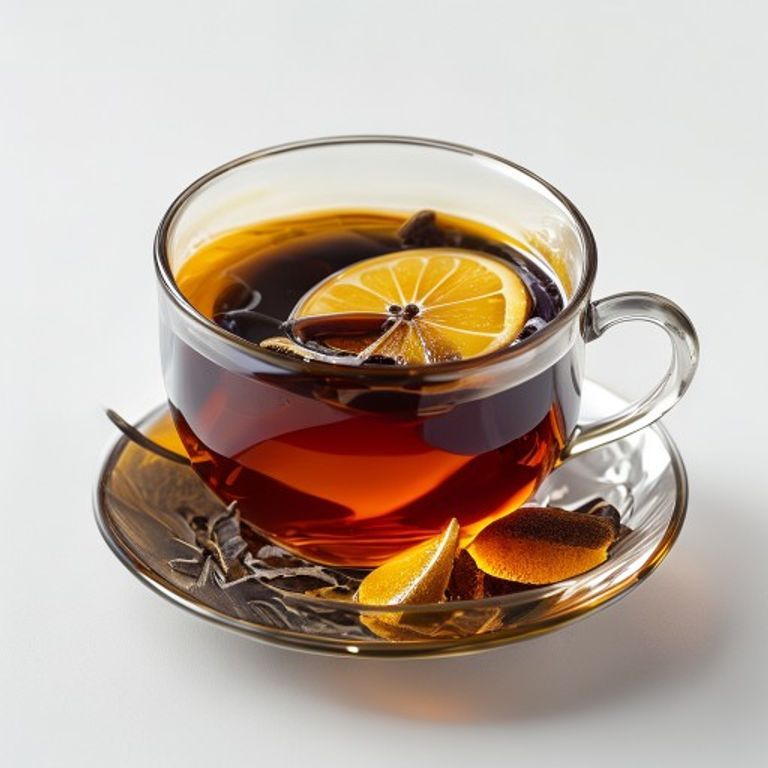
Use boiling water (212°F / 100°C). 1 teaspoon loose leaf or 1 teabag per 8oz. Steep 3-5 minutes — 3 minutes for a lighter cup, 5 for full-strength. Earl Grey holds up well to milk and a touch of sugar; it's also excellent black with a slice of lemon.
For a London Fog (Earl Grey latte): brew 1 strong cup of Earl Grey, add 1 tsp vanilla extract or vanilla syrup, top with 4oz steamed milk. Sweeten to taste. Steven Smith's "No. 1 London Fog" sachets are pre-blended for this drink.
Earl Grey re-steeps once at 4 minutes. Bergamot oil is volatile, so the second steep is noticeably weaker on the citrus aroma.
Caffeine and health
Earl Grey carries the caffeine of the underlying black tea — 40-70mg per 8oz cup. The bergamot oil itself is non-caffeinated.
Bergamot has been studied for cardiovascular health: bergamot extract (typically 500-1000mg/day in supplement form) shows modest improvements in cholesterol and blood lipids in trials. Tea-level doses of bergamot are far lower but still plausibly beneficial as part of a daily tea habit.
Earl Grey is generally pregnancy-safe (within the 200mg/day caffeine limit ACOG recommends). Avoid only if you have a known bergamot allergy or sensitivity to citrus oils.
Top Earl Grey brands
For everyday: Twinings Classic Earl Grey is the global standard, ~$13 for 100 bags, available everywhere. Bigelow Earl Grey is the affordable mass-market option ($4-5 for 20 bags). Tazo (Starbucks-owned) makes a stronger Earl Grey if you want more caffeine.
For premium: Harney & Sons Earl Grey Supreme is the reference-class tea-tin Earl Grey (~$18.50 for a 4oz tin). Steven Smith Teamaker No. 1 "London Fog" is the cult-favorite small-batch upgrade with lavender. Plum Deluxe Aged Earl Grey ages bergamot oil in French oak barrels for a smoky-floral edge.
For decaf: Twinings Decaffeinated Earl Grey (~$7.50 for 50 bags). Harney Decaf Earl Grey if you want the upgrade (~$9.50 for 20 sachets). Both use CO2 decaffeination which preserves the flavor remarkably well.