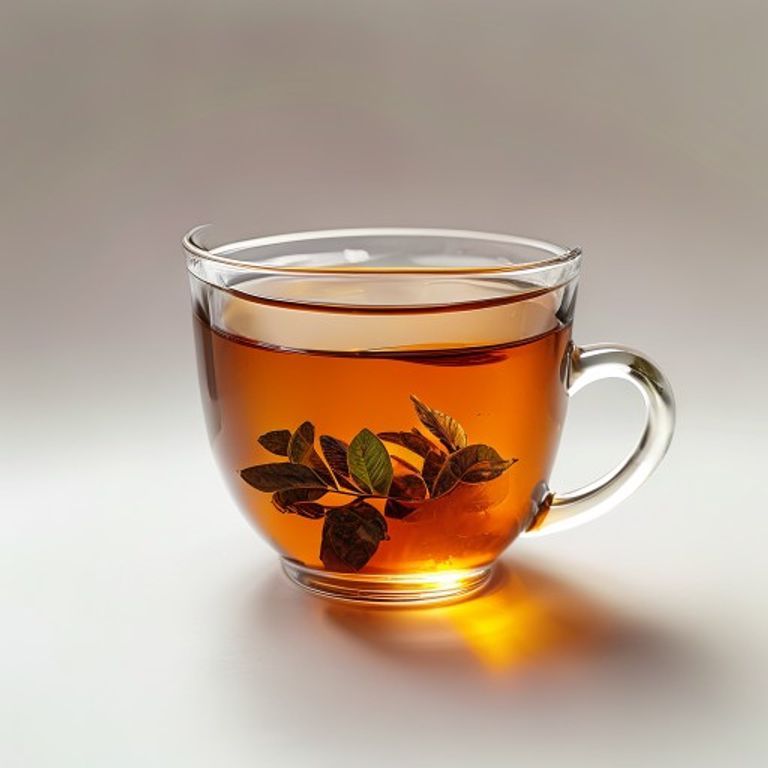
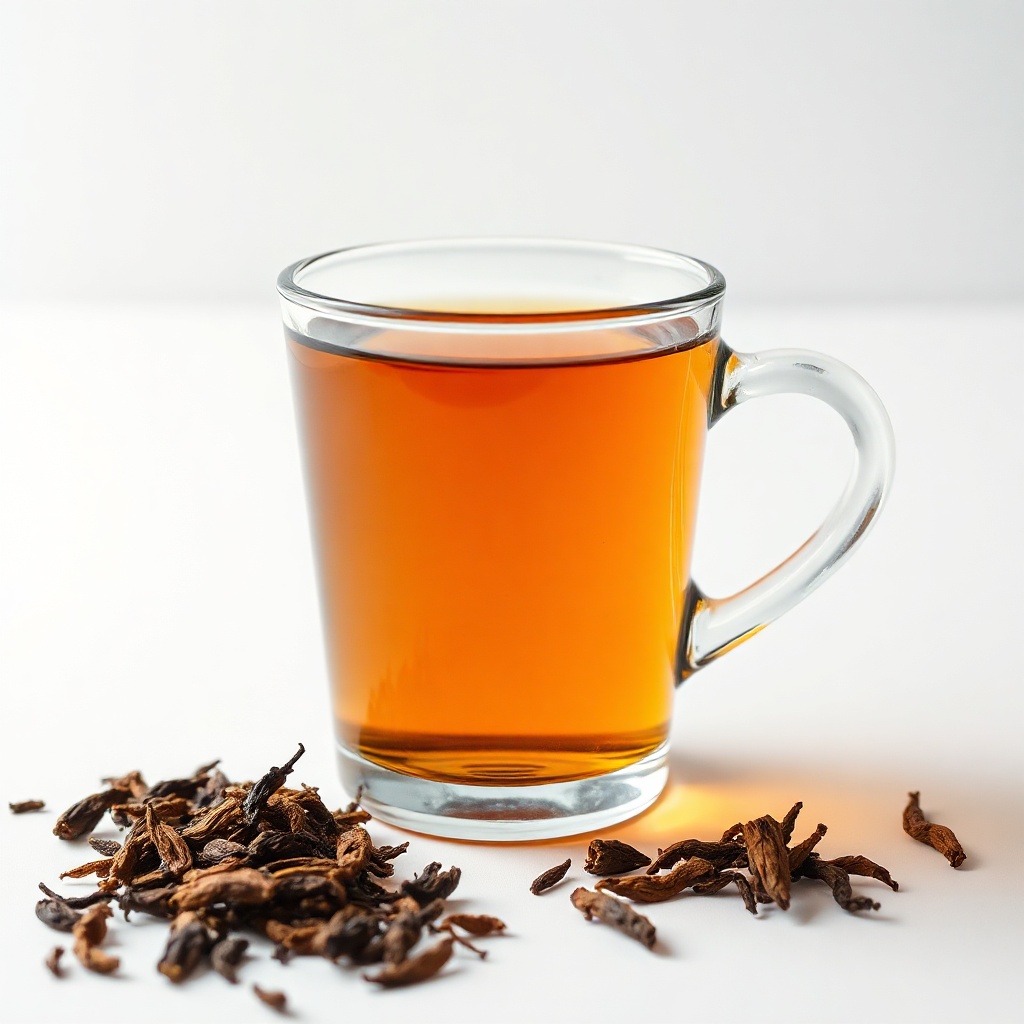
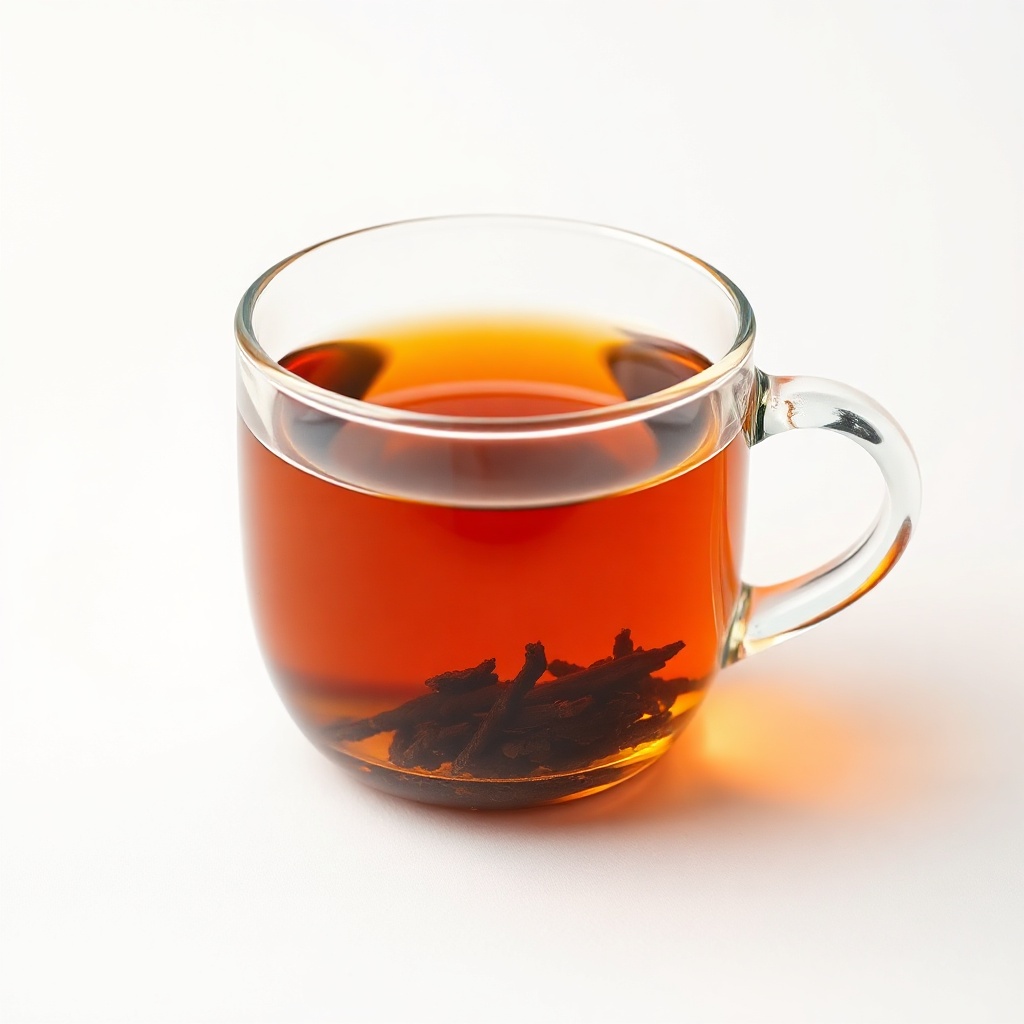
What is Darjeeling?
Darjeeling tea is grown only in the Darjeeling district of West Bengal, India — about 87 tea estates spread across the Himalayan foothills at elevations of 600-2000 meters. The combination of high elevation, cool nights, monsoon rainfall, and indigenous Camellia sinensis var. sinensis (Chinese variety, not the var. assamica that grows in Assam) produces a tea unlike any other in the world: light-bodied, floral, with a distinctive muscatel grape-like character that's impossible to replicate elsewhere.
Darjeeling is one of only a handful of teas with EU-protected geographical indication (similar to Champagne wine, Roquefort cheese). Genuine Darjeeling teas display the Tea Board of India's "Darjeeling" logo — a stylized tea-leaf with the word "Darjeeling" inside. Counterfeiting is rampant; only ~9 million kg of genuine Darjeeling is produced per year, but ~40 million kg is sold globally as "Darjeeling."
The flavor profile depends heavily on harvest season — Darjeeling has four "flushes" (harvest periods), each producing distinctly different teas.
The four flushes
First Flush (Spring, March-April): the most prized. Light, fresh, floral, slightly astringent. Tastes of green apple, fresh herbs, sometimes wisteria flowers. Best drunk straight, no milk. The most expensive — single-estate first-flush sells for $40-100+ per 100g.
Second Flush (Summer, May-June): the muscatel signature. Fuller-bodied than first flush, with the famous muscatel grape-like flavor that defines Darjeeling. The classic "Darjeeling" most Western drinkers picture. $25-60 per 100g for premium estates.
Monsoon Flush (July-September): rainy season, fast-growing leaves, lower-quality. Used mostly for blends and CTC. Don't buy single-origin monsoon flush.
Autumn Flush (October-November): the underrated season. Less floral than first flush, less muscatel than second, but rich, mellow, and mature. Excellent value at $15-35 per 100g.
If you only buy one Darjeeling, make it a second flush from a top estate (Castleton, Margaret's Hope, Goomtee, Singbulli, Makaibari).
How to brew Darjeeling
Darjeeling is more delicate than Assam or Ceylon. Use 195°F (90°C) water — boiling water risks bitterness, especially with first-flush. 1 teaspoon per 8oz, 3-4 minutes steep. Drink it straight; milk overwhelms the muscatel character.
Premium first-flush: brew at 185°F (85°C), 3 minutes, watch the cup like a green tea. Re-steep 2 times — second steep is often just as good as first.
Caffeine
Darjeeling has medium caffeine — 30-50mg per 8oz cup. Lower than Assam or Ceylon black teas because the var. sinensis plant has less caffeine than var. assamica, and Darjeeling estates tend to use longer/lighter oxidation.
Top Darjeeling brands
For accessible quality: Vahdam Darjeeling First Flush (~$23 per 50g) ships fresh from India. Teabox Darjeeling Trio (~$32 per 3 tins) gives you all three flushes (first, second, autumn) for comparison. These are both direct-from-estate brands without the premium markup of British importers.
For mass-market everyday: Bigelow Darjeeling Blend (~$4.49 for 20 bags) is fine for daily drinking, though typical CTC quality. Twinings makes a Darjeeling sachet too.
For specialty estates: Upton Tea Imports, Tealife, and Mei Leaf carry single-estate Darjeelings from named gardens (Margaret's Hope, Castleton, Goomtee). These are typically $25-50 per 50g and worth the price for a tea-savvy drinker.
Beware "Darjeeling" labeling on cheap teas — without the Tea Board of India logo, it's likely blended or counterfeit.