What is Assam tea?
Assam is the world's largest tea-producing region, supplying about 50% of India's total tea output and a substantial fraction of the global black tea market. The Assam Valley sits in northeastern India along the Brahmaputra River, with year-round monsoon rainfall and rich alluvial soil — ideal conditions for the indigenous Camellia sinensis var. assamica plant, which produces fuller, richer leaves than the Chinese sinensis variety.
Tea cultivation in Assam dates to 1837, when the British Tea Committee discovered indigenous tea plants growing wild in the area. Within decades, the British East India Company had transformed the region into commercial tea plantations, and Assam tea became the backbone of British breakfast blends — Yorkshire Gold, PG Tips, Twinings English Breakfast, Tetley.
What makes Assam distinctive: the brisk, malty character. A well-brewed Assam is bold, slightly sweet (the malty notes), with deep amber color and full body. It holds up beautifully to milk and sugar — this is the tea British workplaces drink by the gallon.
Orthodox Assam vs. CTC Assam
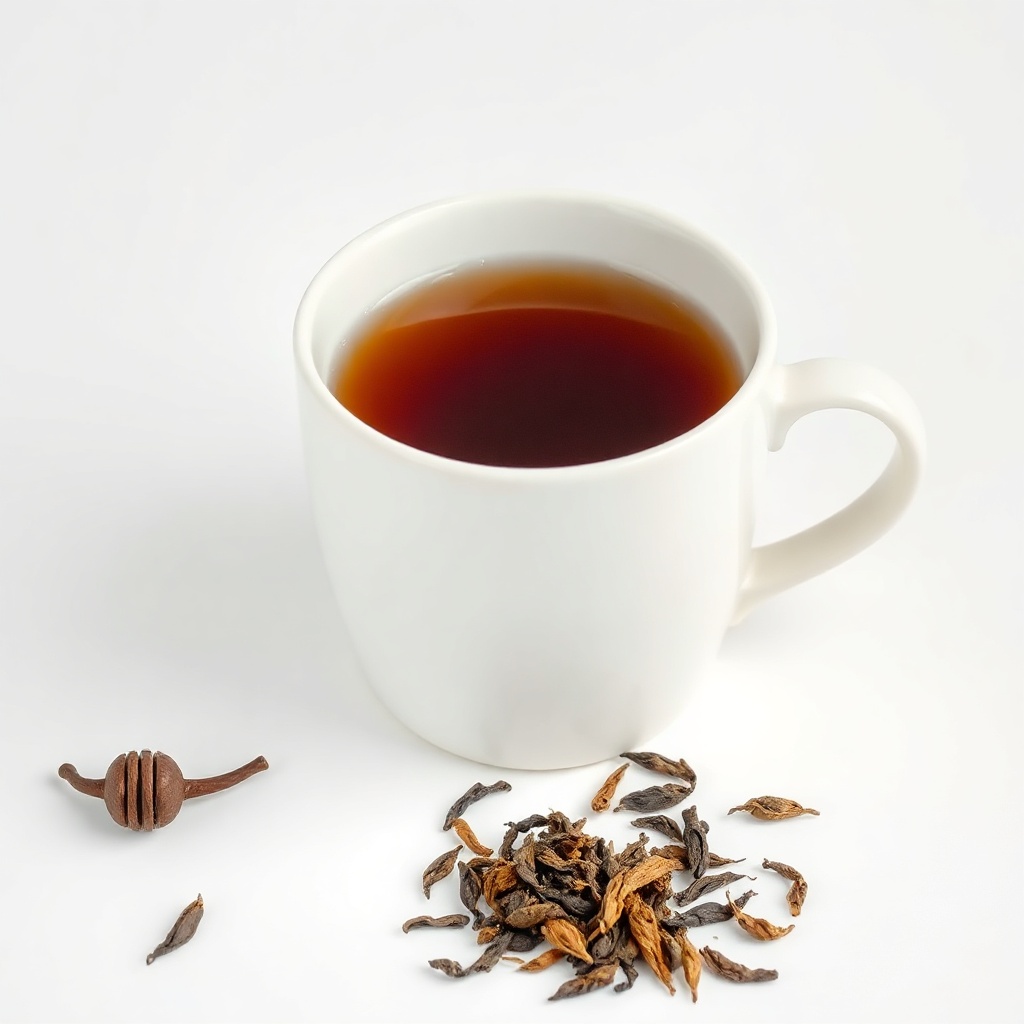
Two production methods make two very different teas. Orthodox Assam: hand-rolled or machine-rolled in a traditional way that preserves whole or partial leaves. Slower brewing, more complex flavor, higher price ($15-25 per 100g). The Vahdam, Teabox, and Harney Assams are all orthodox.
CTC (Crush-Tear-Curl) Assam: machine-processed into small uniform pellets that brew fast, dark, and bold. CTC is what fills mass-market British breakfast bags — Yorkshire Gold, PG Tips, Tetley. Less expressive than orthodox but bulletproof to milk and reheating, hence its popularity for working-class British tea drinking.
For exploration, buy orthodox loose-leaf. For daily-driver milk-tea consumption, CTC blended into your favorite English breakfast bag is the right choice.
How to brew Assam
Boiling water — 212°F / 100°C — is mandatory. Assam's flavor compounds need full heat to extract. 1 teaspoon orthodox or 1-2 teabags CTC per 8oz. Steep 3-5 minutes; 5 minutes for milk-tea use, 3 for a lighter cup.
Add milk after steeping (don't steep in milk — extraction efficiency drops). 1-2 tsp sugar or honey is traditional but optional. The famous "British workplace tea" recipe is 2 CTC bags + 8oz boiling water + 60 seconds steep + 1 oz whole milk + 1 tsp sugar.
Orthodox Assam re-steeps once well; the second steep is brighter and lighter.
Caffeine
Assam tea is among the highest-caffeine real teas — 60-90mg per 8oz cup, up to 110mg for very strong brews. The CTC processing extracts caffeine more efficiently than orthodox, which is why a typical British workday cup is so wakeful.
This makes Assam an excellent coffee alternative for people transitioning away from coffee — comparable acute alertness, smoother on the stomach, easier on the cardiovascular system.
Top Assam brands
For premium orthodox: Vahdam India Breakfast (Assam-forward, single-estate, ~$13 for 100 cups) is the value pick. Teabox Assam Orthodox (~$14 per 100g) ships fresh from Indian estates within days. Harney Assam Loose (~$14.50 per 4oz tin) is the American premium option.
For British-style daily-driver: Yorkshire Gold, PG Tips Pyramid, and Tetley British Blend are all Assam-forward CTC blends. Yorkshire Gold is the strongest of the mainstream British blends.
For single-estate exploration: Adagio Assam Melody is the friendly entry point. Once you have the palate, look for Halmari Estate, Doomni Estate, or Mangalam Estate teas through specialty importers like Upton Tea or Mei Leaf.