What is sencha?
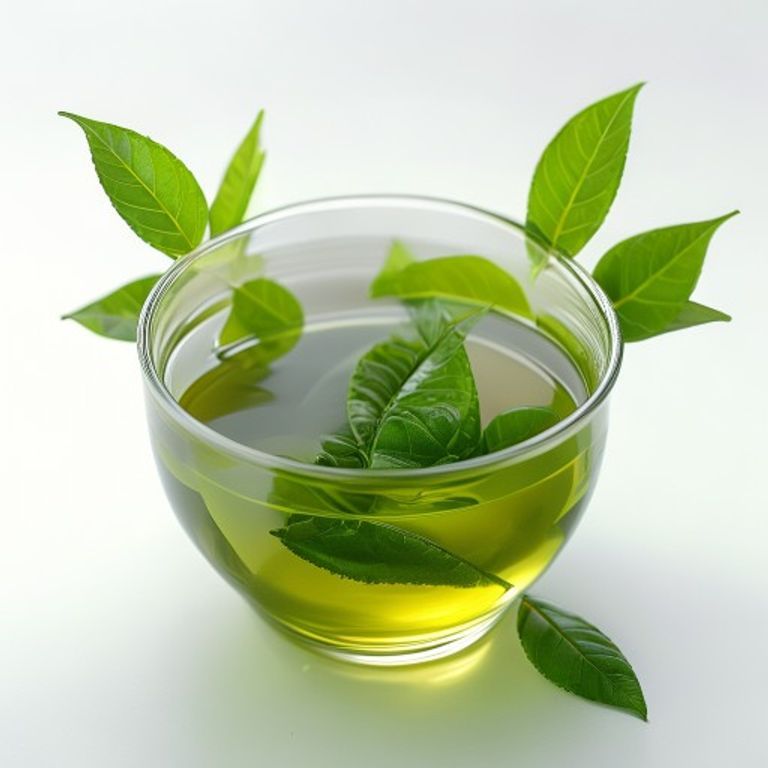
Sencha is the most-consumed tea in Japan — accounting for about 80% of Japanese tea production. The leaves are picked, briefly steamed (which arrests oxidation and locks in chlorophyll), rolled into needle-like shapes, and dried. The result: bright green, umami-rich, slightly grassy, with a clean herbal finish.
Sencha differs from Chinese green teas in two key ways. First, processing: Chinese green teas are pan-fired (hotter, drier); Japanese sencha is steamed (lower temperature, more chlorophyll preserved). Second, flavor: sencha's umami profile is more savory and vegetal, while Chinese greens like Long Jing or Bi Luo Chun are nuttier and sweeter.
Sencha grades range from everyday "fukamushi sencha" (deep-steamed, more concentrated) to premium "asamushi sencha" (light-steamed, more delicate) to ceremonial-grade "shincha" (first-pluck, available only in spring). For most drinkers, mid-tier Asakusa or Yame sencha (grown in Kyoto, Shizuoka, or Kagoshima) is the right entry point.
How to brew sencha
Critical: 175°F (80°C) water, NOT boiling. Boiling water destroys sencha's delicate amino acids and produces bitter astringency. If your kettle has no thermometer, boil and let sit for 60 seconds before pouring.
1 teaspoon (about 2g) per 6oz water. Steep 1-2 minutes. Sencha re-steeps beautifully — second steep at 30 seconds, third at 1 minute, often producing different flavor profiles each time. Premium leaves give 3-4 strong steeps.
For ceremonial-grade gyokuro (shade-grown sencha), drop temperature to 160°F and use 1.5 tsp per 4oz of water — much more concentrated, much less water, sip in small portions.
Caffeine and L-theanine
Sencha has medium caffeine — 25-35mg per 6oz cup. Higher in shade-grown gyokuro (about 50mg per serving). The L-theanine content is what makes Japanese green teas notable for focus: gyokuro contains 30-40mg L-theanine per serving, which combined with caffeine produces the "alert calm" focus state research has tied to Japanese tea drinking.
Sencha is excellent late-morning or early-afternoon. Drink before 3pm to avoid sleep disruption.
Sencha varietals and regional differences
By region: Kyoto (Uji) sencha is the most prestigious, with deep umami and long aftertaste. Shizuoka sencha is the most commercially produced — balanced, accessible. Kagoshima sencha is fuller-bodied, slightly more astringent.
By processing: Asamushi (light-steamed) is more delicate, with whole-leaf appearance. Fukamushi (deep-steamed) is more concentrated with broken-leaf appearance and a darker brewed cup. Most American specialty importers carry both.
By harvest: Shincha (first-pluck spring tea) is the most prized — fresh, vibrant, only available April-May each year. Ichibancha (first harvest, broader category) covers everything picked in spring through early summer. Bancha (later-season tea) is everyday-grade, lower-caffeine, often consumed by Japanese pregnant women and children.
Top sencha brands
For premium: Harney & Sons Japanese Sencha (~$17 per 4oz tin) is the gold-standard American option — Shizuoka-sourced, balanced, mid-grade. For loose-leaf upgrade, Yunomi.us imports direct-from-Japan single-estate senchas at $20-40 per 100g.
For accessible mid-grade: Adagio Sencha Premier (~$12 per loose tin), Rishi Jade Cloud (technically a Hubei Chinese green but adjacent quality at ~$16 per 3oz). Numi Organic Gunpowder Green (~$19 per 100ct bulk) is a Chinese-style adjacent option.
For Japanese specialty: Ippodo (Kyoto) sells direct-to-US — their Hosen sencha is ~$20 for 100g and the gateway to high-tier Japanese tea. Marukyu Koyamaen ships Uji sencha direct as well.