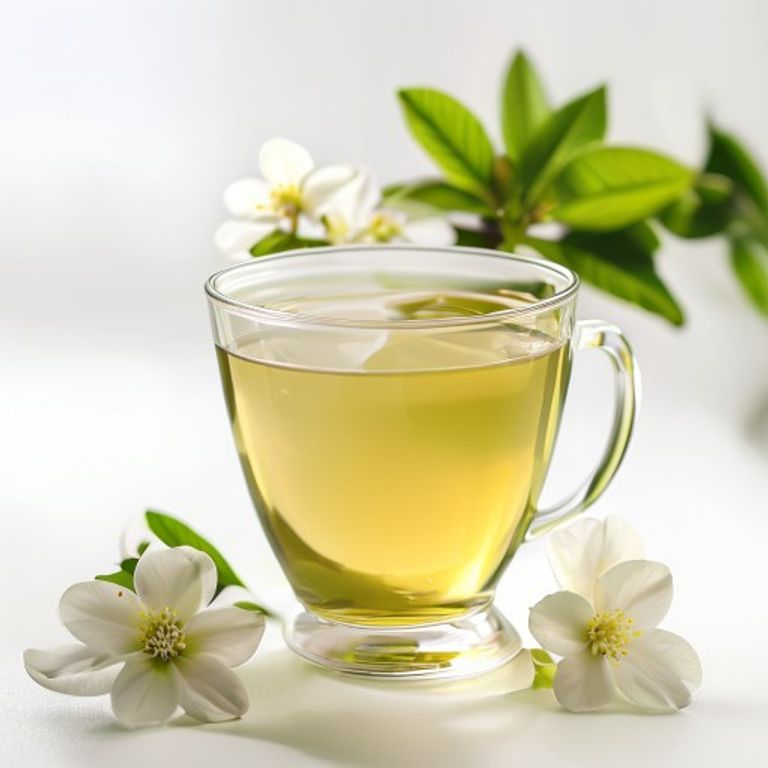
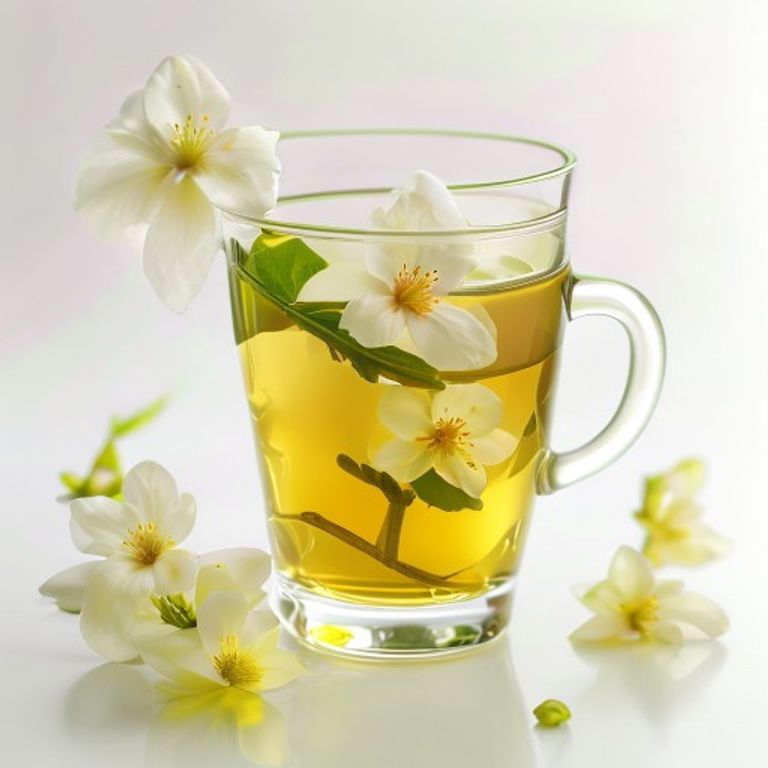
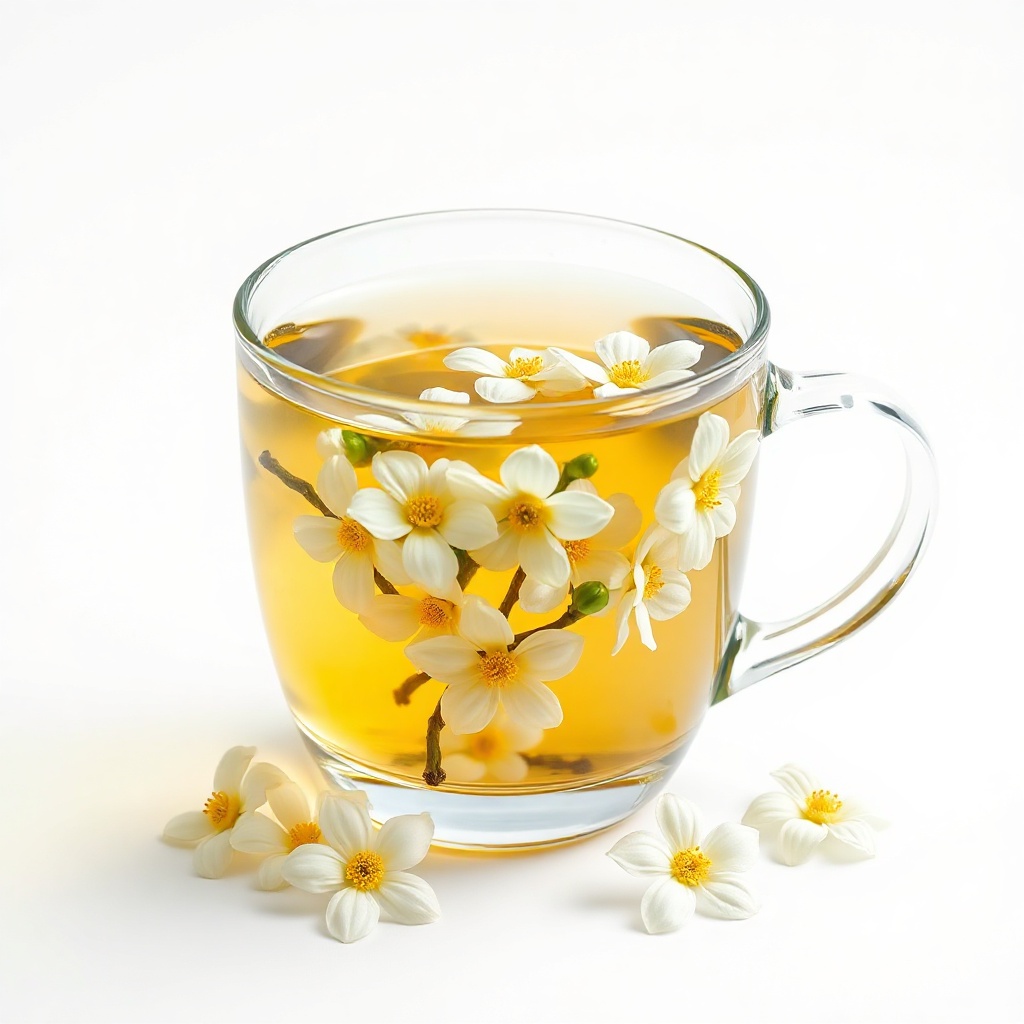
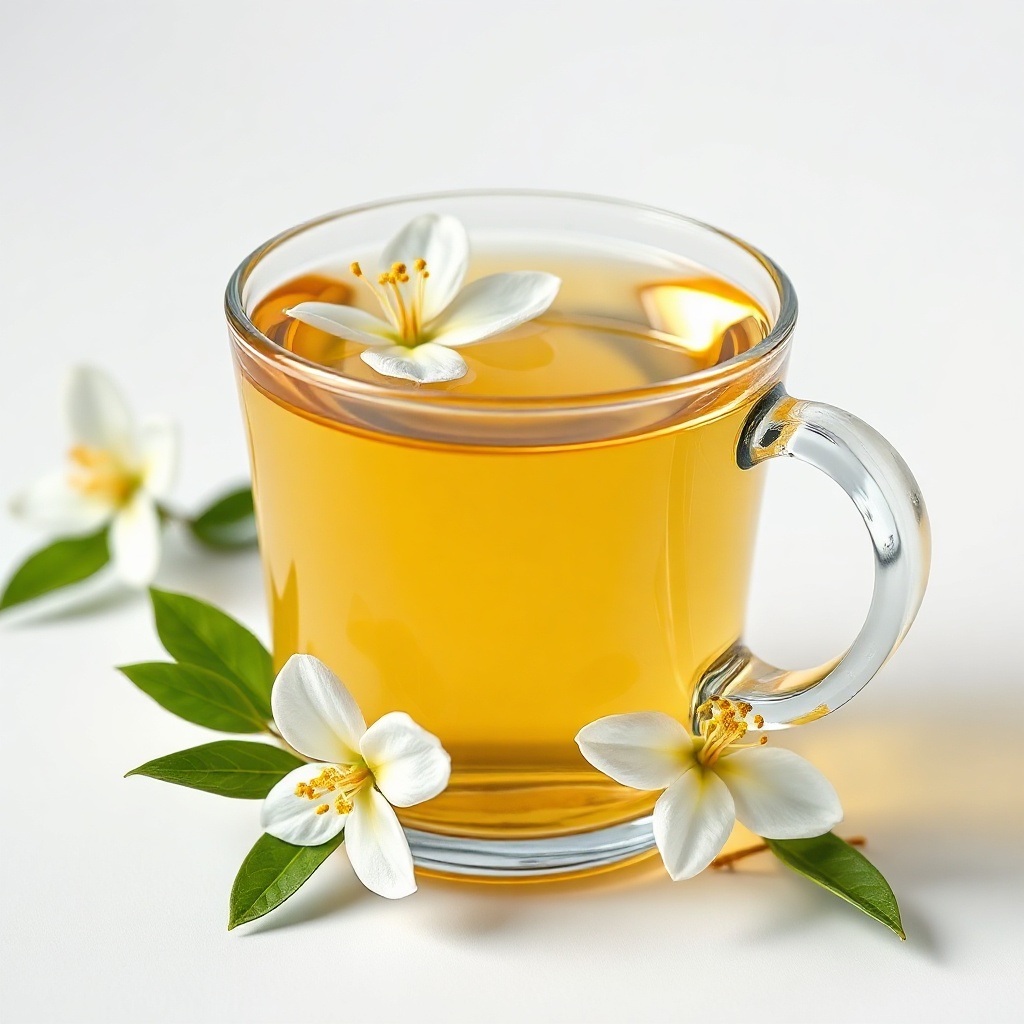
What is jasmine tea?
Jasmine tea is a green tea (occasionally white or oolong) scented with jasmine blossoms. Originating in China's Fujian Province during the Song Dynasty (960-1279 CE), the production process is itself an art form: green tea leaves are repeatedly layered with fresh jasmine blossoms over 4-7 nights, allowing the tea to absorb the floral oils, then the spent flowers are removed.
The very best jasmine teas use this overnight scenting process up to 9 times — each batch produces dramatically more aromatic tea. Lesser commercial jasmine teas use synthetic jasmine essence sprayed onto green tea, which is fragrant but lacks the depth of true scented jasmine.
Two main styles. Jasmine Dragon Pearl: hand-rolled into small pearls that unfurl during brewing — the most theatrical. Jasmine Yin Hao or Jasmine Silver Tip: tippy whole-leaf jasmine, more delicate. Numi, Harney, and Art of Tea all carry quality jasmine pearls; Twinings sells affordable loose-jasmine in sachets.
How to brew jasmine tea
Use 180°F (82°C) water — slightly cooler than other greens to preserve the volatile jasmine aromatics. 1 tsp pearls or loose leaf per 6-8oz water, 2-3 minute steep. The pearls unfurl gradually; you can watch the brew over 3-4 minutes.
Re-steep 2-3 times — each subsequent steep extracts different aromatic compounds. First steep: most concentrated jasmine. Second-third: deeper green-tea base with subtler jasmine. By fourth steep, the tea is mostly green tea without much jasmine.
Avoid milk; it kills the floral. Drink straight, perhaps with a tiny touch of honey if you want sweetness.
Caffeine
Jasmine green tea has 25-35mg caffeine per 6-8oz cup — same as the underlying green tea. The jasmine flowers themselves are non-caffeinated.
Top jasmine tea brands
For premium: Harney & Sons Dragon Pearl Jasmine (~$14 per 30 sachets) is the gold-standard mid-tier American option — actual hand-rolled pearls in silken sachets. Numi Organic Jasmine Green Pearl (~$9.99 per 16 bags) is the organic counterpart at lower price. Art of Tea Jasmine Pearls (~$19 per loose) is the high-end specialty pick.
For affordable: Twinings Jasmine Green (~$5.49 for 25 sachets) is the mass-market everyday option — quality is decent for the price, though synthetic-essence-scented rather than truly flower-scented.
For sourced loose-leaf upgrade: Adagio Jasmine Yin Cloud (~$14 per loose tin) and Tealyra's Jasmine pearls — both are real overnight-scented jasmine teas.
Avoid jasmine teabags from supermarket private labels — these are typically lowest-grade green tea + jasmine essence spray.