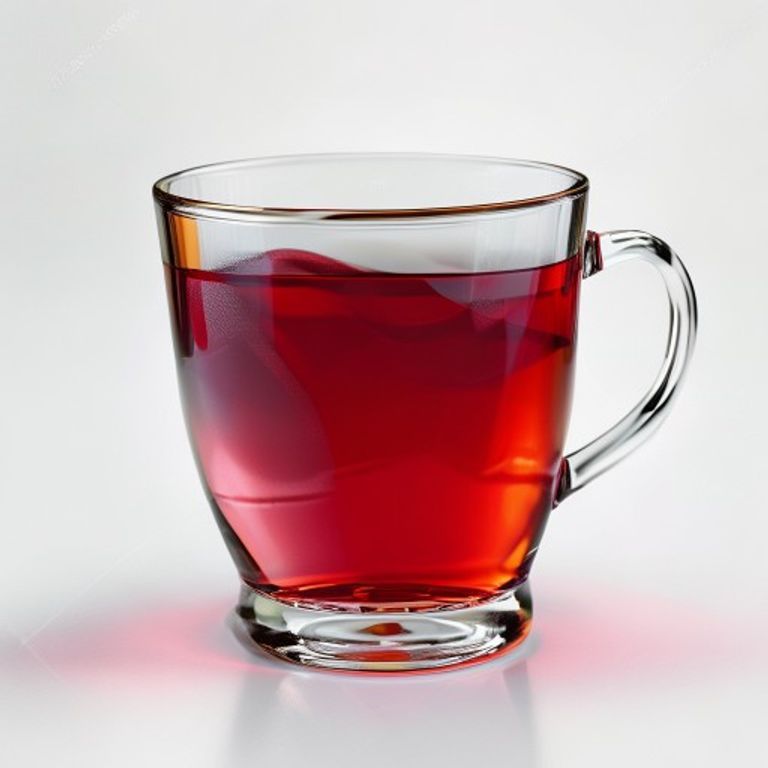
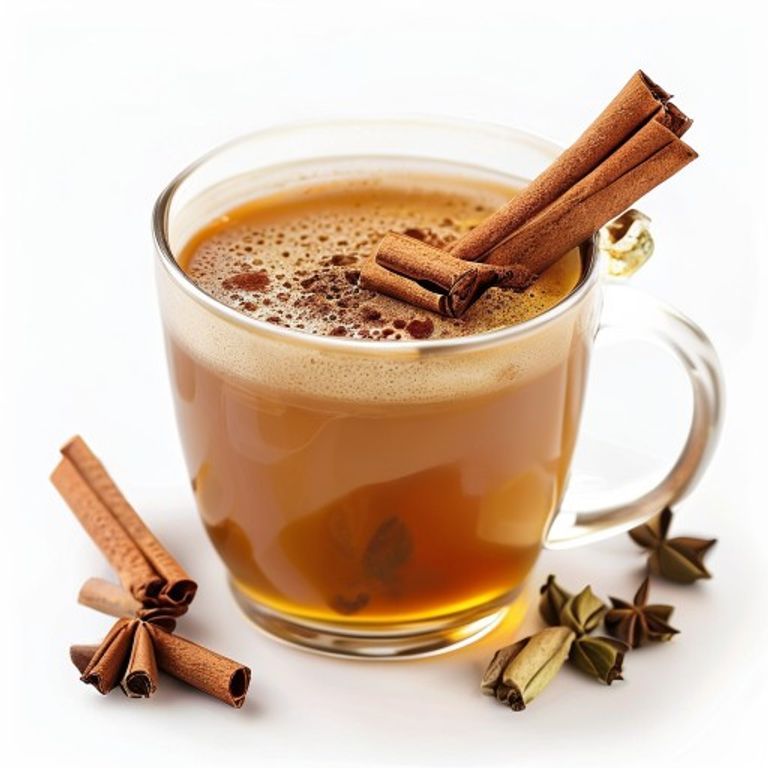
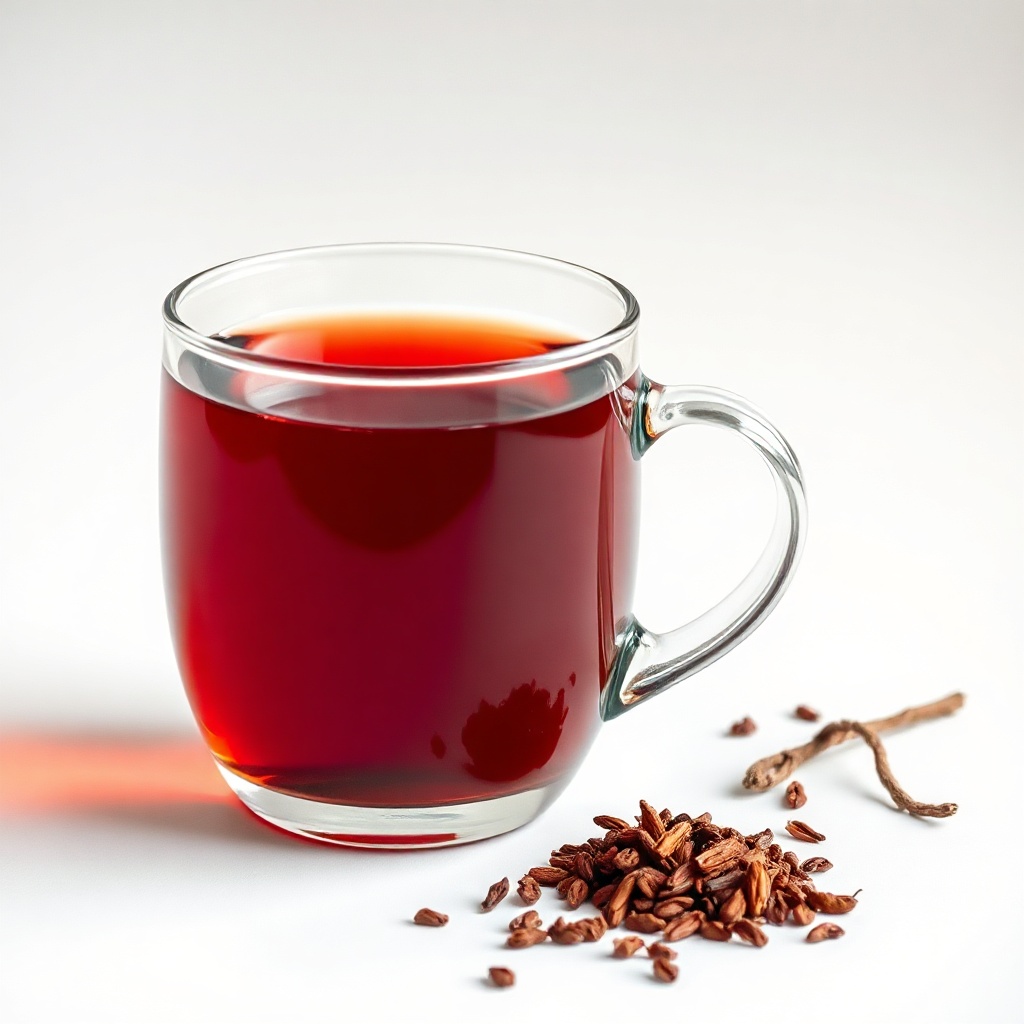
What is rooibos?
Rooibos (literally "red bush" in Afrikaans) is a flowering herb endemic to the Cederberg region of South Africa's Western Cape — a small, mountainous area unique in the world for its climate and soil. The plant is processed by oxidation: leaves are bruised, fermented in heaps for several hours, then dried in the sun, producing the characteristic deep-red color that gives rooibos its name. An "unfermented" or "green" rooibos exists but is less common; the red oxidized version is the standard.
Rooibos has been consumed locally in South Africa for centuries (the indigenous Khoisan people used it before European arrival). It became a global commodity in the 1980s when scientists identified its high antioxidant content (specifically aspalathin, a polyphenol unique to the plant). Today, rooibos is the world's second-most-consumed herbal tea after chamomile.
Naturally caffeine-free, naturally sweet, and rich in antioxidants. Excellent evening drinking and compatible with milk and sugar in a way most herbal teas aren't.
Health and antioxidants
Rooibos contains aspalathin, an antioxidant unique to the plant. Aspalathin shows research-backed effects on blood sugar regulation (helpful for type 2 diabetes risk) and modest cardiovascular benefits. The total antioxidant capacity per cup is comparable to green tea — a different polyphenol mix, but a similar functional profile.
Rooibos is also low in tannins (which inhibit iron absorption in standard tea). This makes it a good choice for people with iron-deficient diets, pregnant women, and children.
Rooibos is one of the few herbal teas considered safe for infants in South African pediatric tradition (though Western pediatricians generally discourage tea for babies under 6 months).
How to brew rooibos
Use boiling water (212°F / 100°C). Rooibos doesn't bruise — you can boil-steep it without bitterness. 1 teaspoon dried leaf or 1 teabag per 8oz water. Steep 5-7 minutes; longer is fine, even 10+ minutes won't make it bitter (no astringent tannins).
Drink straight, with milk and sugar (works great because of the natural sweetness), or with a slice of lemon. Pairs particularly well with vanilla, almond, or honey notes.
Rooibos re-steeps once, weakly. It's really a single-steep tea.
Top rooibos brands
For premium loose-leaf: David's Tea Vanilla Rooibos (~$9.50 per 50g) is the most-loved entry point — South African rooibos with vanilla pods. Smooth, sweet, easy. Rishi Blueberry Rooibos (~$12 per 3oz) adds blueberries and hibiscus for fruity depth.
For classic everyday rooibos teabags: Numi Organic Rooibos Chai (~$8.99 for 16 bags) blends rooibos with chai spices for a caffeine-free chai alternative. Numi Organic Honeybush is the related South African herb (sweeter than rooibos, less astringent).
For pure unflavored rooibos: Twinings sells a Pure Rooibos in some markets. Specialty importers like Buddha Teas sell single-source rooibos at $5-8 per 18 bags.