What is chamomile?
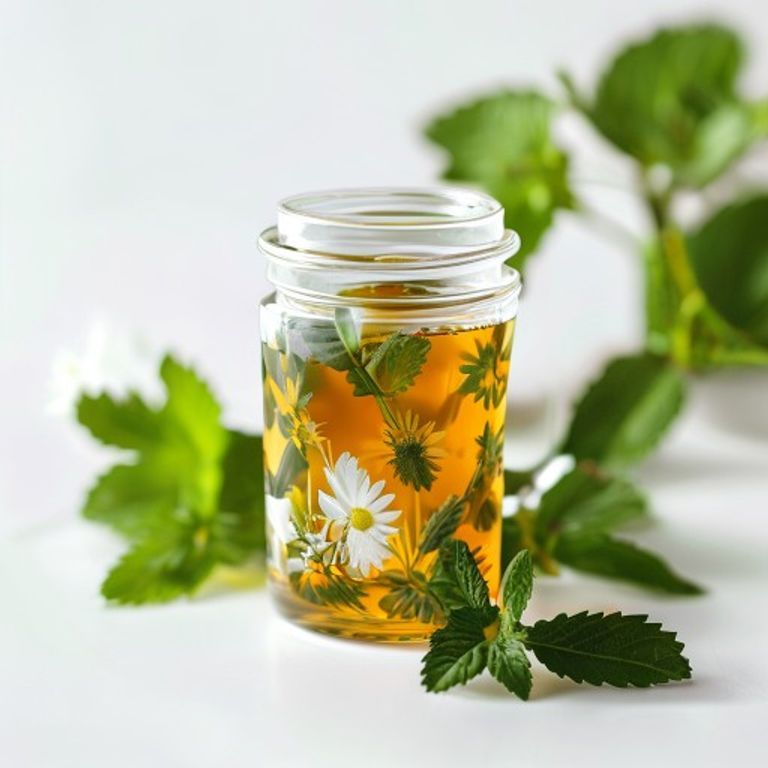
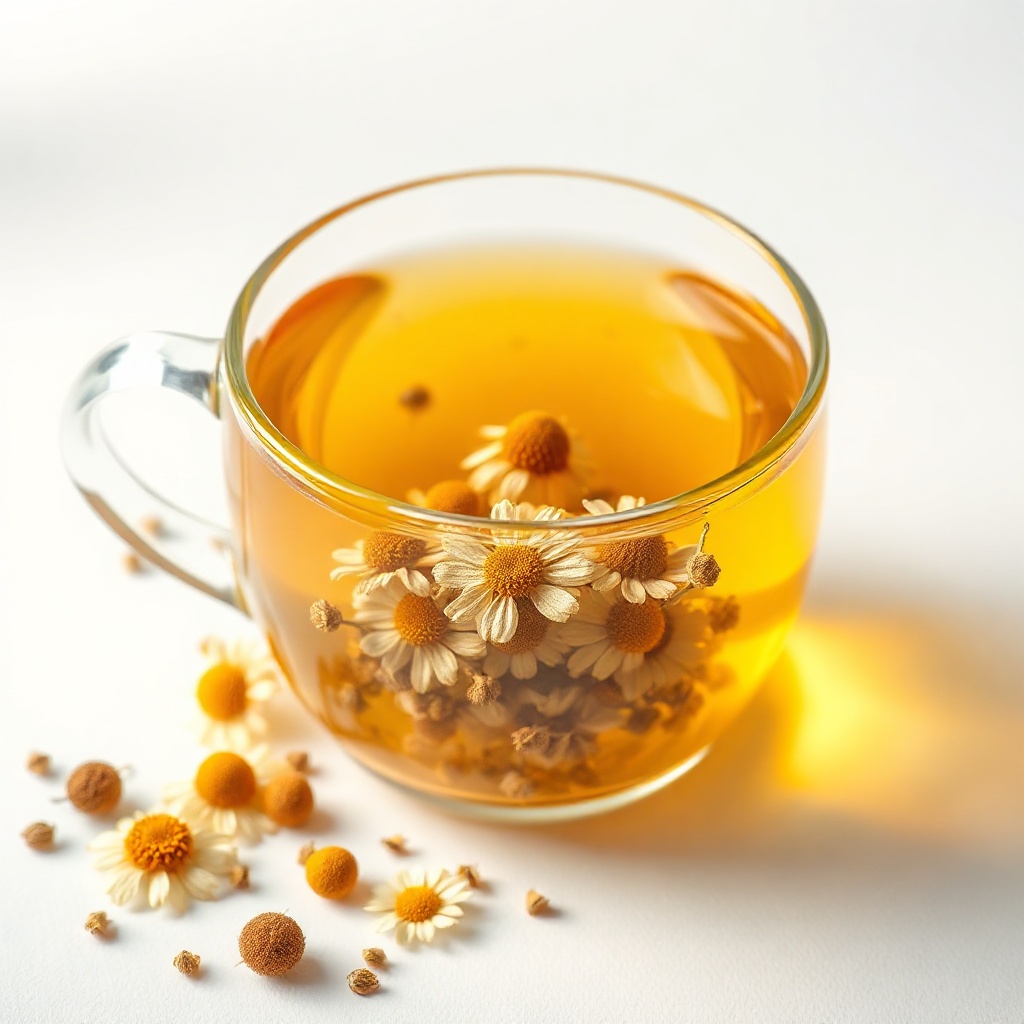
Chamomile is a flowering herb — the dried flowers of either Matricaria chamomilla (German chamomile, the most common in tea) or Chamaemelum nobile (Roman chamomile, more often used in essential oils). The dried flowers are infused in hot water to produce a pale-yellow, mildly sweet, floral tea.
Chamomile has been used as a sleep and stress aid since ancient Egypt — Egyptian priests dedicated the plant to the sun god Ra, and modern Egyptian chamomile (grown in the Nile Valley) is still considered the gold standard for tea quality. The plant's active compound, apigenin, binds to GABA receptors in the brain — the same target as benzodiazepine sleep medications, just dramatically gentler.
Chamomile tea is naturally caffeine-free, generally safe in pregnancy (unlike some herbal teas), and well-tolerated by children and elderly drinkers. It's the most-prescribed sleep tea in clinical practice and the most-drunk herbal tea in the United States.
Does chamomile actually help sleep?
Yes, with caveats. Multiple meta-analyses show chamomile improves sleep latency and quality modestly but measurably. The effect size is small (about 10-15% improvement in sleep onset for most users) but consistent across studies.
The active compound apigenin binds GABA-A receptors in a benzodiazepine-like manner, producing mild anxiolytic and sedative effects. Standardized chamomile extract (1.2% apigenin) shows clinical effects at doses of 1500mg/day; tea concentrations are lower but cumulative.
Chamomile works best as a daily ritual rather than acute use. The tea ritual itself — slow sipping, dim light, no phone — is half the effect. Studies that tested apigenin alone vs. chamomile-tea-as-ritual show comparable sleep benefits, suggesting the herb chemistry is real but the behavioral pattern matters too.
How to brew chamomile
Use boiling water (212°F / 100°C). Unlike green tea, chamomile is robust — it doesn't bruise from heat. 1 teabag or 1.5 tsp dried flowers per 8oz water. Steep 5-7 minutes — the longer steep extracts more apigenin.
For maximum effect, cover the cup while steeping (a saucer works) to retain the volatile oils. Don't add milk — it doesn't pair well with chamomile's floral notes. A small spoonful of honey is traditional and pairs beautifully.
Drink 30-60 minutes before bed for sleep benefits. The acute effect peaks 30-90 minutes after consumption.
Chamomile blends — when to layer
Pure chamomile is excellent on its own. The classic Twinings Pure Camomile is single-ingredient Egyptian chamomile and represents the baseline.
Common blend partners: - Honey + vanilla: softens chamomile's slight bitterness (Celestial Honey Vanilla Chamomile) - Lavender: stacks calming aromatic effects (Plum Deluxe Mountain Meadow) - Lemon balm: faster-acting, complementary anxiolytic (Pukka Relax) - Valerian: stronger sedative effect, earthier taste (Yogi Bedtime) - Passionflower: stacks GABA-receptor binding (Traditional Medicinals Nighty Night)
For sleep-specific blends, Yogi Bedtime and Traditional Medicinals Nighty Night are the most clinically-stacked options. For pure relaxation, Pukka Night Time. For everyday gentle chamomile, Twinings Pure Camomile or Celestial Honey Vanilla Chamomile.
Top chamomile brands
For pure chamomile: Twinings Pure Camomile (~$4.99 for 25 sachets) is the gold-standard affordable pick — Egyptian-sourced. Numi Organic Chamomile is the organic upgrade.
For blends: Celestial Sleepytime (~$7.99 for 40 bags) is the best-selling herbal tea in America for a reason — chamomile + spearmint + lemongrass is a classic blend. Celestial Honey Vanilla Chamomile (~$4.49 for 20 bags) softens with vanilla. Pukka Night Time (~$5.99 for 20 bags) layers oat flower, lavender, and limeflower.
For loose-leaf premium: Plum Deluxe Mountain Meadow (~$13 per 1oz) blends chamomile with lavender and rose for stress relief. Rishi Chamomile Loose Leaf is a quality whole-flower option.