What is pu-erh?
Pu-erh (普洱茶) is fermented, aged tea from Yunnan Province, China — the birthplace of the tea plant. It's the only tea that genuinely improves with age. A 30-year-old pu-erh cake can sell for thousands of dollars, similar to the way wine collectors trade aged Bordeaux.
Two distinct styles. Sheng (raw) pu-erh: minimally processed, ages slowly over decades into a sweet, smooth, complex brew. Young sheng (under 5 years) is bitter and astringent; aged sheng (15-30+ years) is honey-sweet and fruit-forward. Shou (ripe) pu-erh: artificially fermented in a 45-day pile-fermentation process developed in the 1970s. Produces darker, earthier, immediately-drinkable tea without the wait.
For Western drinkers, shou pu-erh is the entry point — smoother, less astringent, ready to drink. Numi, Rishi, and Adagio sell quality shou in bags and loose leaf at accessible prices. Sheng pu-erh is the connoisseur path — buy aged sheng from reputable importers; cheap young sheng will be too aggressive.
Sheng vs. shou — choose your style
Sheng (raw) pu-erh: long-aged, evolves over time. Young sheng (1-5 years): bitter, astringent, herbaceous. Mid-aged sheng (10-20 years): mellower, fruit-forward, more complex. Old sheng (30+ years): honey-sweet, deep, almost sherry-like. Pricing scales steeply with age — a 1-year sheng cake might be ~$30; the same cake 20 years later could be $300+.
Shou (ripe) pu-erh: pile-fermented in 45 days. The fermentation produces dark, earthy, almost coffee-like flavors. Smooth from day one. No need to age (though shou does mellow further with 5+ years of aging). Most Western pu-erh is shou.
If you're new to pu-erh: start with Numi Organic Pu-erh Chocolate or Rishi Pu-erh Classic (both shou). If you fall in love and want to explore aged sheng, work with specialty importers like Yunnan Sourcing or White2Tea.
Cake vs. loose vs. tuocha
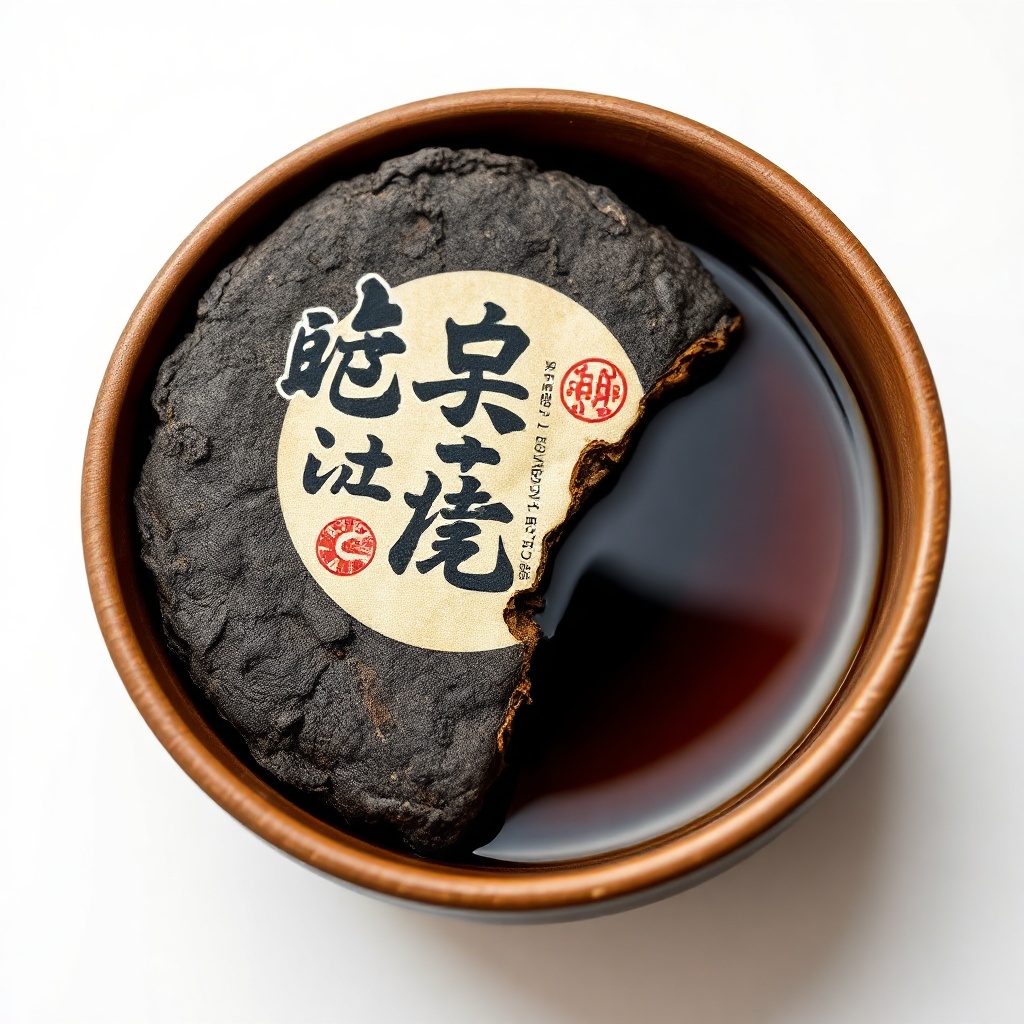
Three formats. Cake (357g pressed disc): traditional, ages best, but requires breaking off chunks with a pu-erh knife. Best for collectors and serious drinkers. Loose: easiest for daily drinking — measure out what you want, brew. Most beginner-friendly. Mini-tuocha (5g compressed nests): single-serve, store anywhere, ideal for travel.
For shou pu-erh, format matters less. For sheng pu-erh, cakes age better than loose because the compressed leaves develop more slowly and consistently.
How to brew pu-erh
Always rinse the leaves first. Pour boiling water over 5g leaves, discard after 5 seconds. This wakes the leaves and removes any storage dust or stale flavor. Then brew in 200-212°F water for 30 seconds (first real steep), 45 seconds (second), and onward — re-infusing 6-10+ times for premium leaves.
For Western brewing: 1 tsp loose leaf per 8oz water, 3-4 minute steep after a 5-second rinse. Re-steep 1-2 more times.
For aged sheng pu-erh, a clay yixing pot is traditional. The unglazed clay absorbs subtle flavors and rewards repeated use with the same tea.
Caffeine and health
Pu-erh has medium caffeine — 30-50mg per 8oz cup. Multiple steeps mean total daily caffeine adds up. Drink before noon if sensitive.
Pu-erh has consistent research support for cholesterol management, weight management (modest), and gut microbiome diversity. Animal studies show meaningful effects on lipid metabolism. Human studies are smaller but consistent — pu-erh modestly improves cholesterol and body fat over 8+ weeks of daily use.
Pu-erh is the traditional after-fatty-meal tea in Yunnan and Hong Kong dim-sum culture for a reason — the gut-microbiome-shifting fermentation compounds may aid digestion of rich foods.
Top pu-erh brands
For shou (ripe) entry: Numi Organic Pu-erh Chocolate (~$9.99 for 16 bags) is the gateway — pu-erh blended with cocoa, smooth and approachable. Numi Organic Aged Pu-erh (~$9.99 for 16 bags) is straight shou pu-erh in sachets. Rishi Pu-erh Classic (~$17 per 3oz tin) is the loose-leaf upgrade.
For traditional cake format: Tealyra Yunnan Pu-erh Cake (~$24 per 100g) is the value-tier compressed cake. Menghai 7572 Ripe Pu-erh Cake (~$42 per 357g) is the legendary recipe — the industry-standard reference shou pu-erh, made by Menghai Tea Factory in Yunnan since 1973.
For aged sheng exploration: Yunnan Sourcing, White2Tea, and Crimson Lotus Tea import single-vintage sheng cakes from named factories. Expect $40-200+ for quality 5-15 year aged cakes. This is hobbyist territory.