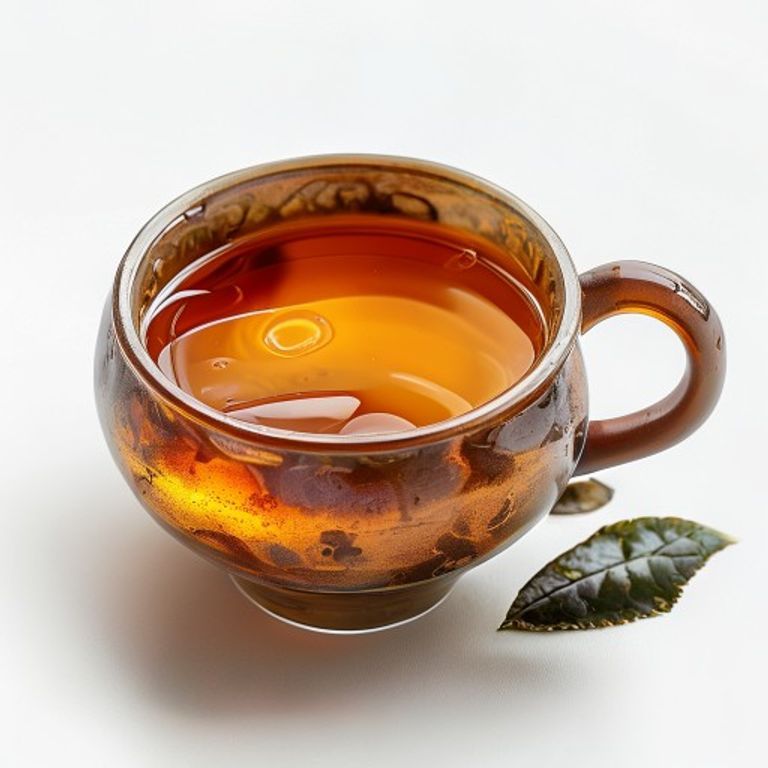
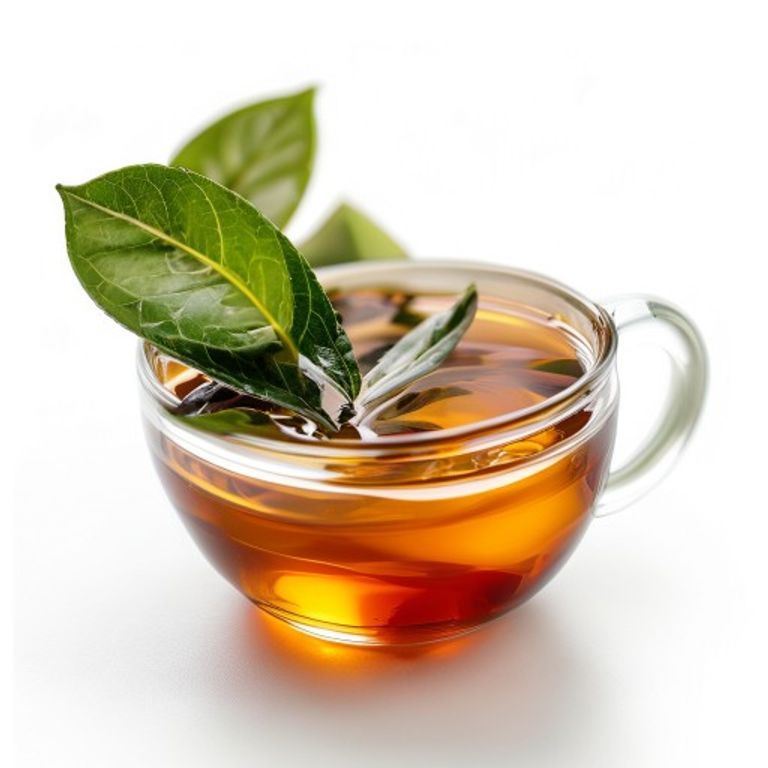
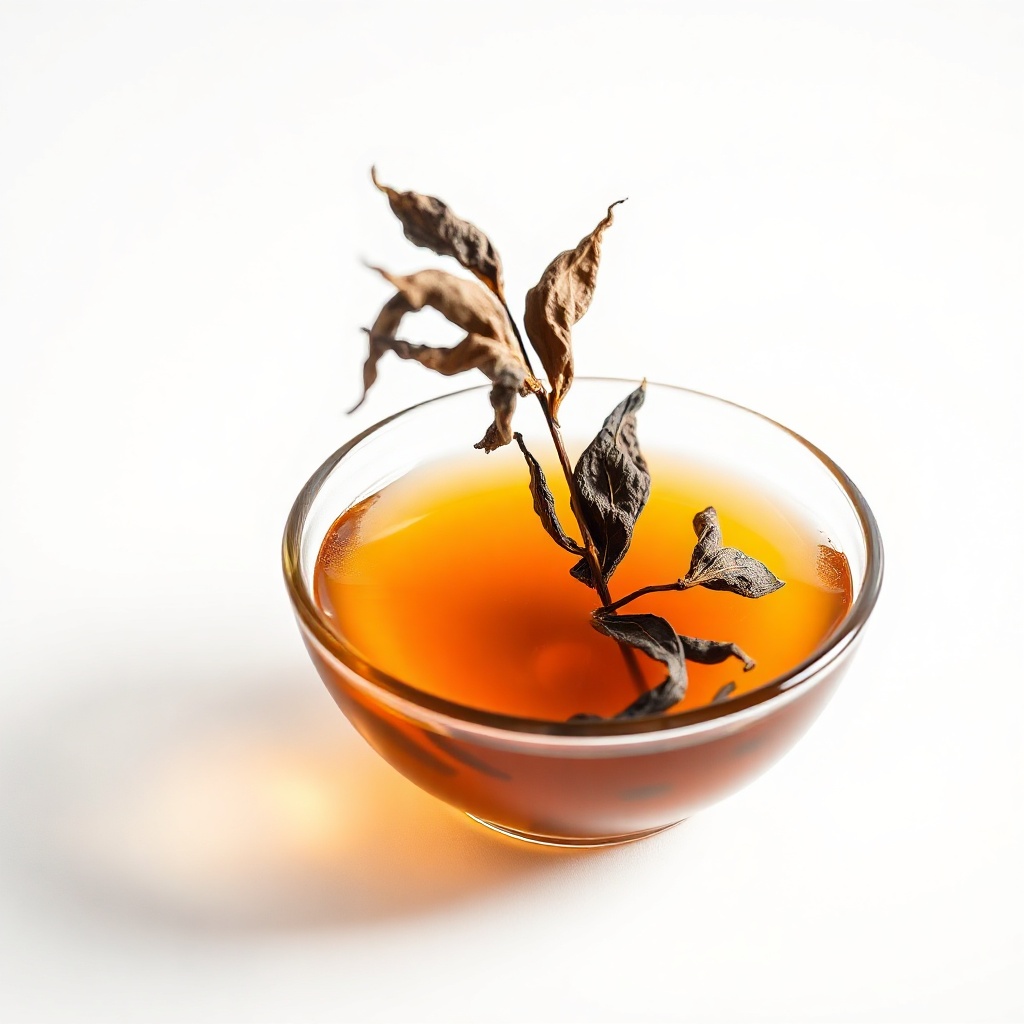
What is oolong?
Oolong (烏龍, "black dragon") sits between green and black tea — partially oxidized, anywhere from 10% to 80%. This middle-ground oxidation produces flavors impossible in either green or black tea: floral, buttery, peachy, mineral, smoky, depending on the cultivar and processing.
Most oolong is grown in Fujian Province, China, and Taiwan. China's Wuyi Mountains produce dark, roasted "rock oolongs" (Da Hong Pao, Shui Xian) with mineral cliff-side flavors. China's Anxi region produces lighter, floral Tieguanyin ("Iron Goddess of Mercy"). Taiwan produces high-mountain (Lishan, Alishan, Shan Lin Xi) oolongs with honey-floral character, plus the unique Bai Hao Oriental Beauty (60-80% oxidized, peachy and complex).
Oolong is the connoisseur category in tea — drinkers who go deep into specialty tea almost always end up here. Premium loose oolong is $25-50 per 100g but re-steeps 4-8+ times, lowering cost-per-cup compared to single-use teabags.
Light vs. dark oolong
Light oolong (10-30% oxidized): floral, vegetal, buttery, often greenish in dry leaf form. Tieguanyin, jade oolong, milk oolong, high-mountain Taiwanese. If you like green tea, start light.
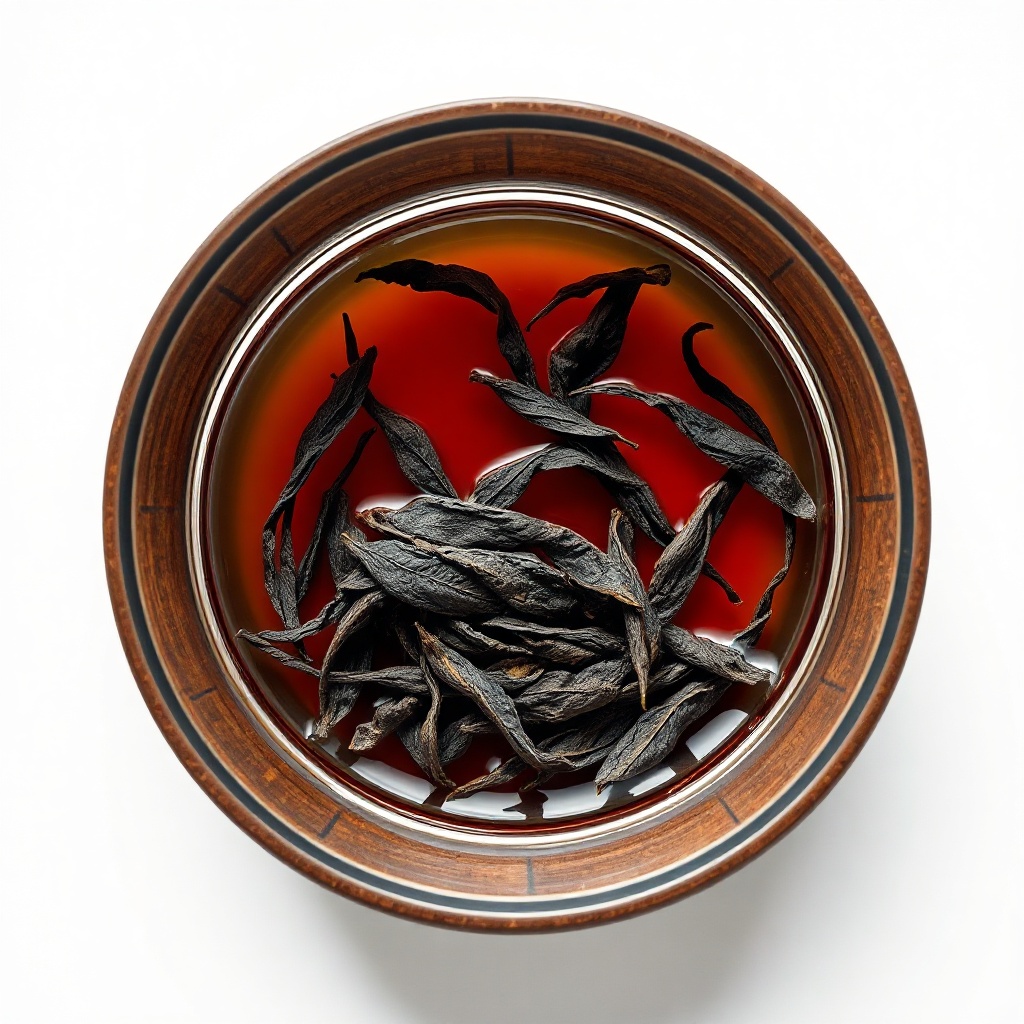
Dark oolong (60-80% oxidized): roasted, mineral, complex, dark brown or black in dry leaf form. Da Hong Pao, Shui Xian, Bai Hao, certain Wuyi cliff oolongs. If you like black tea, start dark.
Mid-oxidation (30-60%): the sweet spot — Formosa oolong, Phoenix Mountain dancong, certain Bai Hao. These showcase the full range of oolong's middle character.
Multiple steeps — the oolong superpower
Premium loose-leaf oolong is uniquely suited to multiple infusions. A single 5g portion can produce 6-10 steeps, each with evolving flavor. First steep: bright, floral. Second-third: peak depth. Fourth-fifth: mellower. Sixth-seventh: sweeter, lighter aftertaste. Eighth+: the "tail" — nearly transparent but with hints of leftover sweetness.
This is why oolong is cost-effective despite high per-gram prices. A ~$32 100g bag of high-mountain Taiwanese oolong can produce 80-100 cups across 16-20 sessions of multiple steeps. That's ~$0.32-0.40 per cup — comparable to a quality bagged tea.
Gongfu vs. Western brewing
Gongfu cha ("kung fu tea") is the traditional Chinese way to brew oolong. Use 5-7g leaves in a 100ml gaiwan or yixing pot with water at 200-205°F. First steep: 30 seconds. Second: 45 seconds. Third: 60 seconds. Fourth+: add 30 seconds each. Each steep is a tiny cup of 30ml — you're drinking dozens of small intense cups, not one large dilute cup.
Western brewing is simpler. 1 tsp leaves in 8oz water at 200°F, 3-minute steep. Re-steep up to 3 times by adding 1 minute per additional steep. Less ritual but still showcases the leaf well.
If you're new to oolong, start Western. If you fall in love and want to go deep, learn gongfu.
Caffeine and origin map
Oolong has medium caffeine — 30-50mg per 8oz cup — between green and black. Multiple steeps extract more total caffeine, so a full gongfu session might deliver 100mg+ across the morning.
Origin map for shopping: - Wuyi Shan (Fujian, China): Da Hong Pao, Shui Xian, Rou Gui — dark, roasted, minerally - Anxi (Fujian, China): Tieguanyin / Iron Goddess of Mercy — light, floral, orchid notes - Phoenix Mountain (Guangdong, China): Dancong oolongs — fragrant, named after the floral note they evoke (almond, honey, gardenia, etc.) - Alishan / Lishan / Shan Lin Xi (Taiwan): high-mountain oolongs — buttery, honey-sweet, complex - Tongding (Taiwan): traditional roasted Taiwanese oolong - Hsinchu (Taiwan): Bai Hao / Oriental Beauty — peachy, complex, 60-80% oxidized
Top oolong brands
For accessible mid-grade: Adagio Milk Oolong (~$16 per loose tin) is the gateway — naturally creamy, sweet, no additives, easy Western brewing. Adagio Ti Kuan Yin (~$18 per loose tin) is the floral entry point. Numi Iron Goddess of Mercy (~$8.99 for 16 bags) gets you tieguanyin in sachet form.
For premium: Harney Formosa Oolong (~$19 per loose) is the peachy mid-oxidation Taiwan pick. Taiwan Tea King High Mountain Oolong (~$28 per loose) is the high-mountain Lishan/Alishan upgrade. Tealyra Da Hong Pao (~$32 per 100g) is the legendary Wuyi cliff oolong.
For everyday Tieguanyin in sachets: Twinings Pure Oolong (~$4.99 for 25 sachets) is fine but flatter than loose-leaf alternatives.