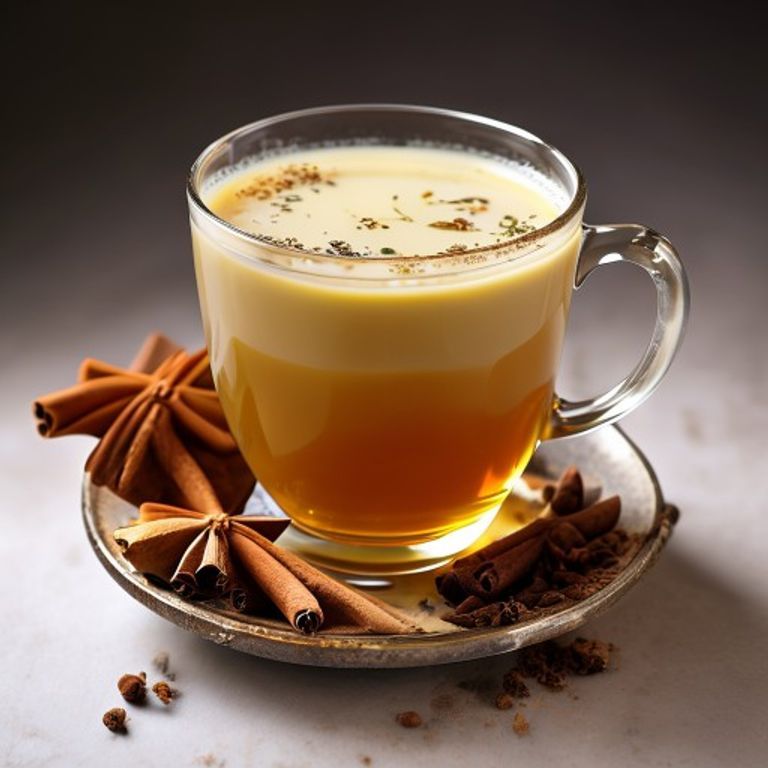


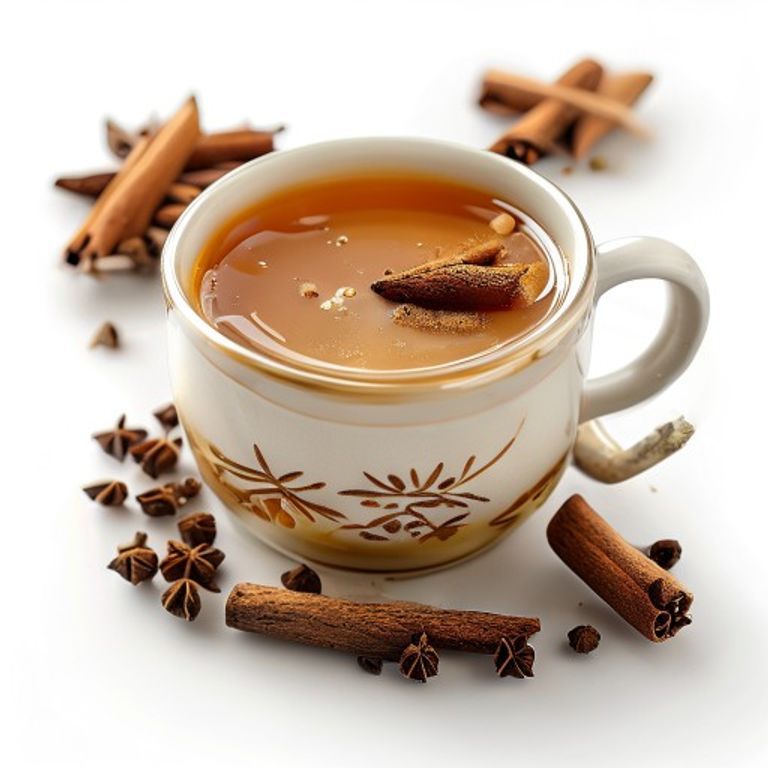
What is masala chai?
Masala chai is Hindi for "spiced tea" — the world's most-drunk hot beverage by some measures, consumed across India multiple times daily and increasingly across Western markets. The traditional recipe: black tea (almost always Assam CTC) brewed with milk and a spice blend including cardamom, cinnamon, ginger, cloves, and black pepper. Sweetened with sugar.
The drink emerged in modern form in the 1830s, when British colonial powers introduced commercial tea cultivation to Assam. Indian street vendors began adapting British-style milk tea by adding traditional Ayurvedic spices. By the early 1900s, masala chai was a fixture of Indian railway stations, where small clay cups (kulhars) of chai were drunk by millions of travelers daily.
In Western markets, "chai" is now a shorthand for spiced tea drinks generally. Starbucks "chai latte" uses a sweetened concentrate; Indian-American restaurants serve more traditional preparations; specialty tea brands sell loose-leaf masala blends for home brewing. The spice ratio differs significantly between regions — South Indian chai uses more cardamom, North Indian uses more black pepper and ginger.
How to brew authentic stovetop masala chai
The gold-standard recipe, what every Indian household makes:
Combine in a saucepan: - 1 cup water - 1 cup whole milk (or 1.5 cups water + 0.5 cup milk for lighter chai) - 2 teaspoons loose-leaf Assam CTC tea OR 2 black tea bags - 4-6 green cardamom pods, lightly crushed - 1-inch piece fresh ginger, sliced (or 1 tsp dried ginger) - 1 cinnamon stick OR 1/2 tsp ground cinnamon - 4-6 whole cloves - 1/4 tsp black pepper - 1-2 tsp sugar (or to taste)
Bring to a boil, reduce heat, simmer 5-7 minutes. Strain into mugs. Serve hot.
The simmering is crucial — it extracts the spices fully. Boiling milk + tea + spices for 5 minutes is what transforms a bagged chai into something cafe-quality. Total time from start to mug: 10 minutes.
Bagged vs. concentrate vs. loose leaf
Three formats for home use. Bagged chai (Tazo Classic, Twinings Chai, Stash Double Spice): easiest, $4-7 per 20-bag box. Strong-enough flavor, milk-friendly. Brew 1-2 bags in 8oz water for 5 minutes, then add 4oz hot milk and sugar.
Concentrate (Oregon Chai Original, Tazo Organic): mix 1:1 with milk. $6-8 per 32oz box, makes ~16 lattes. Best for quick-and-good — the flavor is locked in, just add milk and heat.
Loose-leaf masala chai (Rishi, Harney): most authentic — brew with whole spices following the stovetop method above. $13-17 per 3oz, brews much stronger and more authentic than bagged. Best for serious chai drinkers willing to spend 10 minutes on each cup.
For weekday speed, concentrate. For weekend ritual, loose leaf. Bagged is the everyday compromise.
Spice profile differences
Different cultures emphasize different spices:
Cardamom-forward (Tazo Classic, Rishi Masala, Twinings Chai): South Indian style. Sophisticated, slightly sweet, more "perfumed." Cardamom is the dominant aromatic.
Cinnamon-forward (Bigelow Vanilla Chai, Tazo Vanilla Chai, Harney Indian Spice): more accessible, dessert-like, comforting. Cinnamon dominates with cardamom in the background.
Ginger-forward (Harney Indian Spice, Pukka Turmeric Active Chai): warming, slightly spicy. Ginger is the lead note. Particularly good in winter.
Saffron-rose (Rishi Saffron Chai): Persian-style chai. Floral, complex, premium-feeling. Saffron and rose petals on top of the standard masala base.
If you're unsure where to start, try Tazo Classic Chai (bagged) — it's the most-popular American chai and a balanced introduction.
Caffeine and health
Masala chai is brewed strong — typically 60-70mg caffeine per 12oz when made with 2 bags or 2 teaspoons leaf. Roughly 75% of a cup of coffee. Decaf options are widely available (Bigelow Vanilla Chai Decaf, Tazo Decaf Chai).
The spice blend has health benefits beyond the tea. Cardamom is a digestive aid. Cinnamon helps with blood sugar regulation. Ginger is anti-inflammatory and reduces nausea. Cloves have antimicrobial properties. Black pepper aids absorption of other compounds (especially turmeric, which is sometimes added). Drinking masala chai daily is, in effect, taking a daily Ayurvedic herbal regimen.
Sweetener is traditional. Indian street chai uses 2+ tablespoons of sugar per 12oz. American chai shops use about 1 tablespoon. Brew at home with whole milk and 1 tsp honey for a healthier version with the same warmth.
Top chai brands
For accessible bagged: Tazo Classic Chai (~$4.99 for 20 bags) is the most-popular American chai — balanced cardamom and cinnamon. Bigelow Vanilla Chai (~$4.49 for 20 bags) is the cinnamon-vanilla cozy version. Twinings Chai (~$5.49 for 25 sachets) is the British-style classic.
For concentrate: Oregon Chai Original Concentrate (~$6.49 per 32oz) is the most-sold American chai concentrate — mix 1:1 with milk for instant lattes. Tazo Organic Chai concentrate is the alternative.
For premium loose-leaf: Rishi Masala Chai (~$13 per 3oz) is the gold-standard organic loose-leaf masala. Harney Indian Spice Chai (~$9.50 per 20 sachets) is the silken-pouch upgrade. Rishi Saffron Chai (~$16 per 3oz) is the Persian-style premium version.
For decaf: Bigelow Vanilla Chai Decaf (~$4.99 for 20 bags) is the easiest decaf chai. Tazo Decaf Chai is the alternative.