Our pick. Yamamotoyama
Check priceYamamotoyama Tea Review 2026: 330 Years of Japanese Green Tea, Reviewed
We compared Yamamotoyama's genmaicha, sencha and hojicha against both grocery green tea and specialty Japanese imports on ingredients, packaging, price per cup, and buyer reviews. Here's what one of the world's oldest tea companies delivers for grocery money.
By The Best Tea Bags Desk13 min readUpdated
Quick answer: Yamamotoyama Genmaicha (three 16-bag boxes, $13.35) is the star: toasty roasted-rice green tea that tastes authentically Japanese for about 28 cents a cup.
Our top pick.Best Yamamotoyama Overall
Yamamotoyama Genmai-cha with Roasted Rice (16 Bags x 3 Boxes)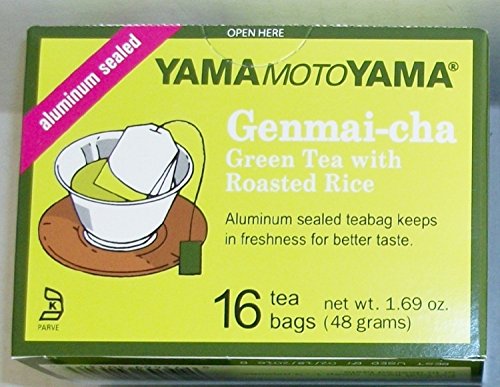
- Price.
- $13.35 (3 x 16 bags)
- Our rating.
- 4.6 out of 5
Toasty, nutty green tea with roasted rice, the most charming cup in the range.
Not sure yet? Compare all 5 picks below ↓
Is Yamamotoyama good tea? Yes, it's the best-value real Japanese green tea in American stores, and our budget pick for authentic genmaicha, sencha and hojicha in 2026. Founded in Tokyo's Nihonbashi district in 1690, Yamamotoyama is one of the oldest tea companies on earth, and its U.S. lineup does something rare: it sells recognizably Japanese-style green tea, toasty genmaicha, grassy sencha, roasted hojicha, at prices closer to Lipton than to a specialty importer.
We compared the core range, the genmaicha with roasted rice, the everyday green tea bags, the hojicha, the organic loose-leaf sencha and the organic decaf, against both Western grocery greens and premium Japanese imports. The house character is consistent: clean, honest, traditionally styled cups with no flavor-masking lemon or honey. The genmaicha is the star, the hojicha is the best sub-$7 evening tea we know, and the aluminum-sealed packaging keeps a delicate category fresh. The ceiling is real too: these are everyday grades, a step below what our Ito En review covers and two below specialty imports.
This review ranks the range, explains what each Japanese style actually is, and links verified Amazon listings with exact counts, the catalog mixes single boxes, 3-packs and 6-packs of near-identical products, and it's easy to pay the wrong per-bag price. We're a reader-supported, independent site, we earn a commission if you buy through our links, but placement is never for sale and no brand pays for coverage.
The short version.
- The Hoji Cha (16 bags, $6.09) is the best cheap evening tea we've found, roasting leaves it naturally lower in caffeine than unroasted green tea.
- The everyday Green Tea bags ($6.96 for 16) are a clean, honest sencha-style cup with zero added flavorings.
- Aluminum-sealed packets matter in this category: green tea goes stale fast, and Yamamotoyama's sealing keeps it fresh.
- This is everyday-grade tea: ceremonial matcha and single-farm sencha drinkers should treat it as the daily driver, not the destination.
| Tea | Style | Best for | Caffeine | Price |
|---|---|---|---|---|
| Genmai-cha (3 x 16 bags) | Green + roasted rice | Best overall, with food | Low-moderate | $13.35 |
| Green Tea (16 bags) | Sencha-style bags | Budget daily green | Moderate | $6.96 |
| Hoji Cha (16 bags) | Roasted green | Evening, low caffeine | Low | $6.09 |
| Organic Sencha (3.5 oz loose) | Loose-leaf sencha | Step-up, USDA Organic | Moderate | $11.69 |
| Organic Decaf Sencha (18 bags) | Decaf sencha | Near-zero caffeine | Decaf | $8.69 |
The Yamamotoyama range at a glance, verified Amazon listings, July 2026.
Yamamotoyama Genmai-cha with Roasted Rice (16 Bags x 3 Boxes)
Yamamotoyama
Toasty, nutty green tea with roasted rice, the most charming cup in the range.
Bottom line: The best introduction to genmaicha at any price, and the single best box Yamamotoyama sells.
Origin and grade. Japanese-style genmaicha: green tea blended with roasted brown rice; aluminum-sealed boxes, no flavorings.
Genmaicha is green tea blended with roasted brown rice, and it's the friendliest door into Japanese tea: the rice adds a warm, nutty, popcorn-toast note that rounds off green tea's grassy edge. Yamamotoyama's version nails the balance, the roast is present without burying the leaf, and the cup is comforting in a way few teas manage.
Brew it easy: water around 175F, two to three minutes. It's forgiving of hotter water than plain sencha because the roasted rice hides mild astringency. Wonderful with food, especially rice dishes and anything savory. If you only try one tea from this review, make it this. Our best genmaicha guide ranks it against the specialty importers. Check the current price on Amazon.
Who should buy it.
Green-tea skeptics, food pairers, and anyone curious about Japanese styles beyond plain green.
What we don't like.
Bag-grade leaf; specialty loose genmaicha has deeper leaf character for triple the price.
- Type
- Genmaicha (green tea + roasted rice)
- Count
- 48 bags (3 x 16, aluminum-sealed)
- Caffeine
- Low to moderate
- Origin style
- Japanese
- Added flavors
- None
What we like.
- Toasty, nutty, comforting cup
- About 28 cents a cup
- Aluminum-sealed freshness
- Very forgiving to brew
Worth noting.
- Everyday grade, not specialty leaf
- Roast note isn't for purist sencha fans

Yamamotoyama Green Tea (16 Bags)
Yamamotoyama
A clean, honest, unflavored Japanese-style green for around 41 cents a cup.
Bottom line: The daily-driver green: simple, grassy, unadorned. What grocery green tea should taste like and usually doesn't.
Origin and grade. Unflavored green tea bags, aluminum-sealed; no added lemon, honey or sweeteners.
The plain Green Tea box is Yamamotoyama's everyday workhorse, and its virtue is honesty: no lemon, no honey flavoring, no "antioxidant blend" marketing, just green tea that brews a pale jade cup with a light grassy sweetness and a clean finish.
Against Western grocery greens the difference is stylistic: this tastes like a mild sencha rather than a generic "green tea flavor." Water temperature is the one rule, use water around 160 to 175F, never boiling, and steep one to two minutes, or any green tea this grade will turn bitter. Treated right, it's a genuinely pleasant daily cup at pocket change. For a step up in depth, the loose-leaf organic sencha below is the move. Check the green tea on Amazon.
Who should buy it.
Anyone who wants an unflavored, Japanese-style daily green at the lowest entry price.
What we don't like.
Unforgiving of boiling water, and modest depth next to loose-leaf sencha.
- Type
- Green tea (sencha style)
- Count
- 16 bags, aluminum-sealed
- Caffeine
- Moderate
- Added flavors
- None
- Best water
- 160-175F
What we like.
- Clean, unflavored, honest green
- Very low entry price
- Sealed packaging keeps it fresh
Worth noting.
- Bitter if brewed with boiling water
- Modest depth at this grade

Yamamotoyama Hoji Cha Roasted Green Tea (16 Bags)
Yamamotoyama
Toasty roasted green tea, naturally gentler on caffeine, for about 38 cents a cup.
Bottom line: The best cheap evening tea we know. Warm, toasty, and easy on the caffeine, though not caffeine-free.
Origin and grade. Hojicha: Japanese green tea roasted until toasty; roasting reduces caffeine versus unroasted green tea. No flavorings.
Hojicha is green tea that's been roasted until the leaf turns russet and the flavor turns toasty and caramel-adjacent, with the grassy bite gone entirely. The roasting also drives off a good share of the caffeine, which is why hojicha is Japan's traditional evening and with-dinner tea. Yamamotoyama's is a textbook, everyday version of the style at a startling $6.09.
It brews forgivingly, hotter water is fine, the roast doesn't turn bitter, and pairs beautifully with food. Alongside Ito En's pricier hojicha bags it holds its own for everyday drinking. If your tea day ends at 4pm because of caffeine, this box extends it by hours. Check the Hoji Cha on Amazon.
Who should buy it.
Evening tea drinkers, dinner pairers, and anyone who finds green tea too grassy or too stimulating.
What we don't like.
Not caffeine-free despite the roast; the 16-bag box disappears fast once it becomes a habit.
- Type
- Hojicha (roasted green tea)
- Count
- 16 bags, aluminum-sealed
- Caffeine
- Low (reduced by roasting, not zero)
- Added flavors
- None
What we like.
- Toasty, smooth, zero grassiness
- Naturally lower caffeine
- Forgiving of hot water
- Exceptional price
Worth noting.
- Not caffeine-free
- Small box for the newly converted

Yamamotoyama Organic Sencha Loose Leaf Green Tea (3.5 oz)
Yamamotoyama
USDA Organic loose sencha with real leaf character for under $12.
Bottom line: The range's quality ceiling: organic, loose, and noticeably deeper than the bags, for a modest step up in effort.
Origin and grade. USDA Organic certified sencha green tea, loose leaf, 3.5 oz resealable pack.
The Organic Sencha loose leaf is where Yamamotoyama shows what the bags are approximating: whole cut leaf that brews a brighter, sweeter, more layered sencha with the fresh-steamed-greens character the style is loved for. It carries USDA Organic certification, the only product in this lineup that does, and the 3.5 oz pouch brews roughly 40 to 50 cups, about 25 cents each.
You'll need an infuser and thirty seconds of care: water at 160 to 170F, a one-minute first steep, and the same leaf happily gives a second infusion, which the per-cup math above doesn't even count. Against $25-and-up specialty senchas it's simpler and less aromatic, but as a daily loose green it's a quiet bargain. Green-tea drinkers ready to leave bags behind should start exactly here. Check the organic sencha on Amazon.
Who should buy it.
Bag drinkers ready for loose leaf, and organic-first shoppers wanting a certified daily green.
What we don't like.
Needs an infuser and cooler water; simpler than specialty single-farm sencha.
- Type
- Sencha (loose leaf)
- Weight
- 3.5 oz (~40-50 cups, resteeps free)
- Caffeine
- Moderate
- Certification
- USDA Organic
- Best water
- 160-170F
What we like.
- USDA Organic certified
- Real leaf depth vs the bags
- About 25 cents a cup, less with resteeps
Worth noting.
- Requires an infuser
- Punished by too-hot water

Yamamotoyama Organic Decaf Sencha Green Tea (18 Bags)
Yamamotoyama
An organic decaffeinated sencha that keeps more green character than most decaf greens.
Bottom line: A rare thing done well: decaf green tea that still tastes like sencha. The nightcap green for caffeine-avoiders.
Origin and grade. USDA Organic decaffeinated sencha green tea bags; this is the decaf listing, distinct from the regular green tea box.
Decaf green tea is a small and mostly sad category, decaffeination tends to strip exactly the delicate notes that make green tea worth drinking. Yamamotoyama's Organic Decaf Sencha keeps more of the style than most: a lighter but recognizable sencha cup, grassy-sweet, clean, and organic-certified.
Brew it like regular sencha, cool water, short steep, its lighter body punishes overbrewing even faster. For evening green-tea drinkers the hojicha above is tastier; for those who want green character with as little caffeine as possible, this is the box. Check the decaf sencha on Amazon.
Who should buy it.
Caffeine-avoiders who still want a real green-tea cup, especially in the evening.
What we don't like.
Lighter than regular sencha, as all decafs are, and easily mistaken for the caffeinated box.
- Type
- Sencha, decaffeinated
- Count
- 18 bags
- Caffeine
- Decaffeinated (trace remains)
- Certification
- USDA Organic
What we like.
- Keeps real sencha character
- USDA Organic
- Near-zero caffeine option
Worth noting.
- Lighter body than regular sencha
- Box invites mix-ups with the caffeinated green
Questions, answered.
Is Yamamotoyama good tea?
Yes, Yamamotoyama is the best-value authentic Japanese green tea widely sold in America. The genmaicha, sencha-style green and hojicha are clean, traditionally styled, unflavored cups at grocery prices, from a Tokyo company founded in 1690. It's everyday grade rather than specialty grade: a step below premium imports in depth, but far above Western grocery green tea in authenticity.
What is the best Yamamotoyama tea?
The Genmai-cha with roasted rice is the best overall, the top pick of this Yamamotoyama tea review, toasty, nutty and about 28 cents a cup in the 3-box pack. The Hoji Cha is the best evening cup, the plain Green Tea the budget daily, the USDA Organic loose sencha the quality step-up, and the Organic Decaf Sencha the near-zero-caffeine option.
What is genmaicha?
Genmaicha is Japanese green tea blended with roasted brown rice. The rice contributes a warm, nutty, popcorn-like note that softens green tea's grassy edge, which makes genmaicha the most beginner-friendly Japanese style. It's traditionally drunk with meals, and because the rice displaces some leaf, a cup is typically a little lower in caffeine than straight green tea.
Does hojicha have caffeine?
Yes, but less than unroasted green tea: the high-heat roasting that gives hojicha its toasty flavor also reduces the leaf's caffeine content, which is why it's Japan's traditional evening tea. It is not caffeine-free, so drinkers who need zero caffeine should choose an herbal infusion or a decaffeinated tea like Yamamotoyama's Organic Decaf Sencha instead.
How old is Yamamotoyama?
The company dates to 1690, when it began as a tea shop in Tokyo's Nihonbashi district, over 330 years of continuous operation, making it one of the oldest tea companies in the world. The firm is also famous in Japan for sushi nori, and its U.S. subsidiary has packed tea in California since the 1970s.
How should you brew Yamamotoyama green tea?
Use water well below boiling: 160 to 175F for the sencha-style green tea and loose sencha, steeped one to two minutes. Genmaicha and hojicha are more forgiving, slightly hotter water and two to three minutes work because roasting buffers bitterness. Boiling water is what makes green tea bitter; let the kettle rest a couple of minutes before pouring.
Is Yamamotoyama tea organic?
Two products in the reviewed range carry USDA Organic certification: the Organic Sencha loose leaf and the Organic Decaf Sencha bags. The standard genmaicha, green tea and hojicha boxes are conventional. All are unflavored, with no added sweeteners or extracts.
More tea worth comparing
Whatever you decide, these are the tea bags our reviews keep ranking on top. Live price check on each.
- Check price

Best Overall.
Twinings English Breakfast - Check price

- Check price

Best Fast Brew.
PG Tips Original - Check price

- Check price

- Check price

Best Green.
Ito En Oi Ocha Green Tea
As an Amazon Associate we earn from qualifying purchases, at no cost to you.