Our pick. Ippodo Tea
Check priceThe 6 Best Genmaicha Teas of 2026, Compared and Ranked
We compared classic, matcha-iri, bagged, and single-origin genmaicha on sourcing, certifications, price per cup, and buyer reviews to find the toasted-rice green teas actually worth your kettle.
By The Best Tea Bags Desk13 min readUpdated
Quick answer: Ippodo Tea Genmaicha is our top pick overall: a Kyoto bancha and roasted rice blend from a tea house operating since 1717.
Our top pick.Best overall
Ippodo Tea Genmaicha 3.5oz Bancha with Roasted Rice
- Price.
- $18.00
- Our rating.
- 4.7 out of 5
A Kyoto tea house's definitive take on genmaicha, with soothing bancha and rice roasted to a deep, sweet toastiness.
Not sure yet? Compare all 6 picks below ↓
The best genmaicha you can buy on Amazon right now is Ippodo Tea Genmaicha: a Kyoto blend of soothing bancha and deeply toasted rice that nails the nutty, savory, faintly sweet balance this style is famous for. If you want the green, brothy lift of a matcha dusting, Rishi Tea Organic Matcha Genmaicha is the matcha-iri pick to beat.
Genmaicha is Japan's great comfort tea. Green tea leaves, usually bancha or sencha, are blended with roasted brown rice, and some grains pop in the roaster, which is why it gets called popcorn tea. The rice mellows the grassy edge of green tea into something nutty, toasty, and savory, and because rice replaces a portion of the leaf, a cup feels gentler and less caffeinated than straight sencha. It is famously forgiving to brew and it is the tea Japanese households pour with meals, since the toasted flavor stands up to food the way few green teas can. The big fork in the road is matcha-iri genmaicha, which adds a dusting of matcha powder for a vivid green cup with extra body and umami, versus plain genmaicha, which is clearer, lighter, and more rice-forward. We cover both below, plus a bagged option, certified organic picks, and a single-origin splurge.
We chose these six by reviewing each producer's brewing guidance, checking origin and certification claims against what each producer publicly states, and weighing reported freshness of the rice roast, leaf quality, buyer reviews, and cost per cup. No brand pays for placement on this list, and prices move constantly, so always confirm the current price on the retailer page before you buy.
The short version.
- For matcha-iri, Rishi Tea Organic Matcha Genmaicha adds real matcha to sencha, bancha, and roasted rice for a greener, creamier cup.
- Maeda-en Genmai-cha tea bags give you 100 individually wrapped bags, the easiest desk-drawer genmaicha on this list.
- Genmaicha is forgiving: brew around 175 to 185 degrees Fahrenheit for 1 to 2 minutes and it rarely turns bitter.
- Because roasted rice replaces part of the leaf, genmaicha drinks gentler and feels lower in caffeine than straight sencha.
| Product | Form | Base tea | Matcha added |
|---|---|---|---|
| Ippodo Tea Genmaicha | Loose leaf, 3.5 oz | Bancha | No |
| Rishi Organic Matcha Genmaicha | Loose leaf, 8.82 oz | Sencha and bancha | Yes |
| Maeda-en Genmai-cha Tea Bags | 100 tea bags | Japanese green tea | Yes, light dusting |
| Yamamotoyama Organic Genmaicha | Loose leaf, 3.5 oz | Green tea | No |
| Sugimoto Matcha Genmaicha 1 lb | Loose leaf, 1 lb | Sencha | Yes |
| Ocha & Co. Organic Genmaicha | Loose leaf, 3.5 oz | Sencha | Yes, light dusting |
The best genmaicha teas of 2026 compared
Ippodo Tea Genmaicha 3.5oz Bancha with Roasted Rice
Ippodo Tea
A Kyoto tea house's definitive take on genmaicha, with soothing bancha and rice roasted to a deep, sweet toastiness.
Bottom line: This is the genmaicha we'd recommend to show someone why the style exists. The bancha base is light and clean, the roasted rice is fragrant without tasting burnt, and the cup lands in that savory, gently sweet middle ground that pairs with almost anything. It costs more per ounce than supermarket genmaicha, and it earns it.
Origin and grade. Ippodo is a Kyoto tea merchant that states it has been in business since 1717, and its teas are grown, blended, and packaged in Japan.
Ippodo has been blending tea in Kyoto for over three centuries, and its genmaicha reads like a house that has had a very long time to get the proportions right. The base is bancha, the mellow everyday leaf picked after the tender spring flush, which gives the cup a soft, rounded body with almost none of the sharp grassiness you get from a cheap sencha blend. Against that, the roasted rice is generous and aromatic, with a scatter of popped grains that give off a warm-cereal aroma once water hits the leaves.
As with most bancha genmaicha, the cup is pale gold rather than green, and the flavor follows: toasted grain up front, a light vegetal middle, and a clean, faintly sweet finish that invites the next sip. Bancha-based genmaicha is also remarkably hard to ruin: the mellow leaf tolerates hotter water and a longer steep than the recommended 175 degrees for one minute far better than a sencha blend does.
The 3.5 ounce bag resteeps well, so the real cost per cup is friendlier than the sticker suggests. If you buy one plain genmaicha this year, buy this one.
Who should buy it.
Anyone who wants the classic, rice-forward genmaicha experience done at the highest level, especially with meals.
What we don't like.
It is one of the pricier teas per ounce here, and there is no matcha dusting for those who want a greener cup.
- Form
- Loose leaf
- Size
- 3.5 oz (100 g)
- Base tea
- Bancha
- Origin
- Japan, blended in Kyoto
- Matcha added
- No
What we like.
- Deep, sweet toasted rice aroma
- Very forgiving to brew
- Gentle enough for evenings
Worth noting.
- Higher price per ounce
- No matcha-iri option here
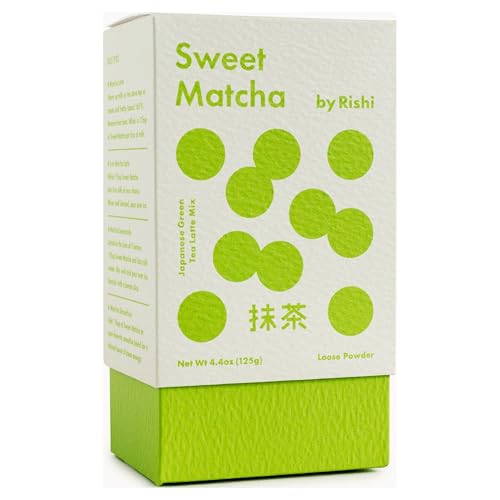
Rishi Tea Organic Matcha Genmaicha Green Tea 8.82 Ounces
Rishi Tea
Sencha and bancha with roasted rice and a real matcha dusting, certified organic and sold in a generous bag.
Bottom line: This is what matcha-iri genmaicha should taste like: the toasty rice comfort of the classic style plus the color, body, and umami of real matcha. The 8.82 ounce bag makes it a workhorse rather than a treat. If you drink genmaicha daily, this is the bag to keep on the counter.
Origin and grade. Rishi states its loose leaf teas are USDA Certified Organic, Certified Kosher, and Non-GMO.
Matcha-iri genmaicha adds powdered matcha to the leaf and rice blend, and the difference shows up before you taste anything: the liquor pours a cloudy jade green instead of pale gold. Rishi builds this one on a base of sencha and bancha with roasted rice, then coats it in organic matcha, so every scoop carries powder into the cup. The result is noticeably creamier and more brothy than plain genmaicha, with the matcha adding a savory umami layer under the toasted grain.
Rishi recommends brewing around 165 degrees for about two minutes, and that guidance is worth following here, since the matcha and finer leaf can pick up bitterness at a full boil. Brewed right, it is rich without being heavy, and it makes an excellent iced tea, where the matcha keeps the flavor from washing out.
The certifications are a genuine plus at this price, and the big resealable bag brings the cost per cup down to everyday territory.
Who should buy it.
Drinkers who want a greener, creamier, more filling cup of genmaicha and go through tea fast enough to justify a big bag.
What we don't like.
The matcha powder settles and clouds the cup, and it needs cooler water than plain genmaicha to stay smooth.
- Form
- Loose leaf with matcha powder
- Size
- 8.82 oz (250 g)
- Base tea
- Sencha and bancha
- Certifications
- USDA Organic, Kosher, Non-GMO
- Matcha added
- Yes
What we like.
- Real matcha body and umami
- USDA organic and kosher certified
- Large bag lowers cost per cup
Worth noting.
- Cloudy cup with sediment
- Less forgiving of hot water

Maeda-en Genmai-cha with Matcha Tea Bags 100 Count
Maeda-en
One hundred individually wrapped genmaicha bags with a touch of matcha, the easiest way to keep this tea at your desk.
Bottom line: Bagged genmaicha rarely thrills, but Maeda-en gets the fundamentals right: real toasted rice aroma, a touch of matcha for color, and individual wrappers that keep bag number 90 tasting like bag number 1. It steeps in under a minute and never gets bitter. For offices, travel, and lazy mornings, this is the pick.
Origin and grade. Maeda-en states these bags contain Japanese origin green tea leaves with roasted rice and matcha, individually wrapped for freshness.
Maeda-en is a Japanese tea company with a long presence in American grocery stores, and this 100 count box is its everyday genmaicha in its most convenient form. Each bag holds crushed genmaicha leaves, roasted rice, and a small amount of matcha powder, and each one is individually wrapped, which matters more than it sounds: loose bags in a shared box go stale fast, while these stay toasty for months.
The brew is quick and friendly. Maeda-en suggests steeping one bag in hot water around 180 degrees for 30 to 60 seconds, and even if you forget it in the mug the cup stays drinkable, with the rice sweetness covering for the finer cut of leaf. The matcha dusting gives the liquor a pleasant green tint and a little extra body that most bagged green teas lack.
It will not out-nuance the loose teas above, and it is not trying to. It is a dependable, generous, fuss-free daily cup, and the per-bag cost is hard to argue with.
Who should buy it.
Anyone who wants genmaicha at work or on the go without an infuser, or a low-commitment first taste of the style.
What we don't like.
The finely cut leaf gives a simpler, less layered cup than any loose option in this guide.
- Form
- Tea bags, individually wrapped
- Count
- 100 bags
- Base tea
- Japanese green tea with roasted rice
- Matcha added
- Yes, light dusting
- Origin
- Japanese origin tea leaves
What we like.
- Individually wrapped for freshness
- Steeps in under a minute
- Very low cost per cup
Worth noting.
- Less nuance than loose leaf
- Wrappers create extra waste

Yamamotoyama Organic Genmaicha Loose Leaf Green Tea 3.5 oz
Yamamotoyama
A certified organic take on the classic from one of Japan's oldest tea companies, clean, toasty, and easy to find.
Bottom line: Yamamotoyama's organic genmaicha is the sensible center of this list: certified organic, honestly priced, and true to the traditional pale gold, rice-forward profile. It lacks the aromatic fireworks of Ippodo and the green depth of the matcha-iri picks, but as an organic daily driver it is exactly right.
Origin and grade. Yamamotoyama sells this genmaicha as certified organic, and the company states it has been in the tea business in Japan since 1690.
Yamamotoyama is one of the oldest names in Japanese tea, and this is its certified organic genmaicha in a simple 3.5 ounce pouch. The blend is traditional plain genmaicha: green tea and roasted rice, no matcha, so the cup brews light gold and leads with warm grain rather than vegetal green. The rice roast is even and fresh, with enough popped kernels in the pouch to earn the popcorn tea nickname.
Flavor-wise it sits a notch below Ippodo in aroma and body, which is what the price gap predicts, but it makes a genuinely comforting cup with a soft, nutty finish and no bitterness even when brewed hot. It resteeps once without falling apart.
It is also widely stocked, which means the inventory turns over and the tea tends to arrive fresh. For an everyday organic pot alongside meals, it does the job without drama.
Who should buy it.
Shoppers who want a certified organic, traditional plain genmaicha from an established Japanese brand at a fair price.
What we don't like.
The aroma and body are a step behind our top pick, and the small pouch runs out quickly if you brew daily.
- Form
- Loose leaf
- Size
- 3.5 oz (100 g)
- Base tea
- Green tea with roasted rice
- Certifications
- Certified organic
- Matcha added
- No
What we like.
- Certified organic at fair price
- Traditional rice-forward flavor
- From a centuries-old brand
Worth noting.
- Milder aroma than Ippodo
- Small 3.5 oz pouch
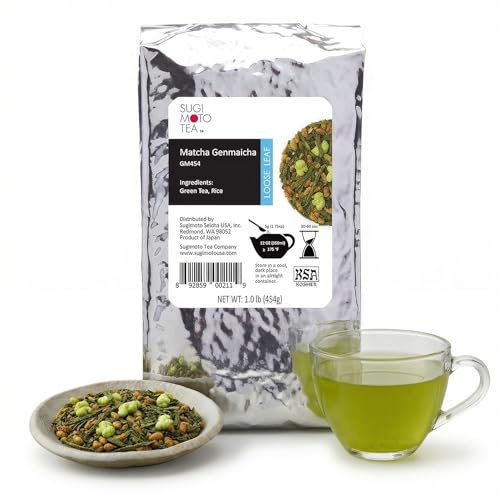
SUGIMOTO TEA Japanese Matcha Genmaicha Green Tea Loose Leaf 1.0 lb
Sugimoto Tea
A full pound of Shizuoka sencha, roasted rice, and matcha from a family tea company, at a lower cost per ounce than the small pouches.
Bottom line: Buying genmaicha by the pound sounds extreme until you realize how fast this tea disappears. Sugimoto's blend of Shizuoka sencha, toasted rice, and matcha is legitimately good tea, not bulk filler, and buying the pound cuts the cost per ounce well below the small pouches. Heavy genmaicha drinkers should start here.
Origin and grade. Sugimoto Tea Company states it was founded in 1946 in Shizuoka, Japan, and sources its tea directly from local Shizuoka farmers.
Sugimoto is a three generation family tea company from Shizuoka, Japan's largest tea growing region, and this one pound bag is its matcha genmaicha at maximum efficiency. The base is real sencha rather than dust grade leaf, blended with roasted rice and finished with matcha powder, so the cup pours green, drinks creamy, and carries that nutty, toasty core that defines the style. Sugimoto suggests water around 175 degrees and a short one to two minute steep, with later infusions going longer.
Quality holds up impressively for the price. The rice is fragrant, the sencha has genuine umami, and the matcha gives the liquor a fuller texture than plain genmaicha.
The one real caution is freshness management: once opened, a bag this size should be decanted into airtight containers and used within a few months, because the matcha coating fades faster than plain leaf. Split it with a friend if you must, but do not skip it over storage nerves.
Who should buy it.
Daily genmaicha drinkers, iced tea brewers, and households that go through a pot or more per day.
What we don't like.
A pound of opened tea demands proper airtight storage, and the matcha dusting loses vibrancy if you dawdle.
- Form
- Loose leaf with matcha powder
- Size
- 1.0 lb (454 g)
- Base tea
- Sencha
- Origin
- Shizuoka, Japan
- Matcha added
- Yes
What we like.
- Lower cost per ounce than small pouches
- Real Shizuoka sencha base
- Direct from family producer
Worth noting.
- Needs careful airtight storage
- Big upfront commitment

Ocha & Co. Organic Genmaicha Tea Loose Leaf Japanese Green Tea 100g
Ocha & Co.
Single-plantation Shizuoka genmaicha built on organic Yabukita sencha, vacuum sealed for freshness.
Bottom line: Most genmaicha is a blend from many farms; this one comes from a single organic mountain plantation in Shizuoka, and you can taste the difference in the clarity of the sencha underneath the rice. It is the connoisseur's genmaicha on this list. The trade-off is a small bag and a premium price for the category.
Origin and grade. Ocha & Co. states this tea is grown on a single organic mountain plantation in Shizuoka at about 400 meters elevation, uses 100 percent Yabukita cultivar leaf with organic toasted brown rice and organic matcha, and ships vacuum sealed.
Ocha & Co. is a small Japanese company shipping tea directly from Shizuoka, and this genmaicha is its single-origin argument for taking the style seriously. The leaf is 100 percent Yabukita cultivar sencha grown organically at around 400 meters in the mountains of Shizuoka, blended with organic toasted brown rice and a light dusting of organic matcha. Where big-brand genmaicha leans on the rice to carry the cup, here the sencha itself has real character: bright, faintly marine, with a sweetness that lingers after the toastiness fades.
The vacuum sealed pouch matters more than it seems. Genmaicha's charm lives in the volatile aromas of freshly roasted rice, and this arrives smelling like it just left the roaster.
Brew it a touch cooler, around 170 to 175 degrees, to keep the matcha and fine sencha smooth. This is the bag to gift a green tea lover who thinks genmaicha is beneath them.
Who should buy it.
Tea drinkers who already love genmaicha and want to taste what a single organic estate and fresh vacuum sealing add.
What we don't like.
Premium pricing for a 100 gram pouch, and the refined profile is subtler than rice-heavy classics.
- Form
- Loose leaf with matcha powder
- Size
- 3.5 oz (100 g)
- Base tea
- Yabukita cultivar sencha
- Origin
- Single plantation, Shizuoka, Japan
- Certifications
- Organic
- Matcha added
- Yes, light dusting
What we like.
- Single-estate Shizuoka leaf
- Vacuum sealed roast freshness
- Organic Yabukita sencha base
Worth noting.
- Premium price per ounce
- Subtle for rice lovers
Questions, answered.
What is genmaicha and why is it called popcorn tea?
Genmaicha is Japanese green tea, usually bancha or sencha, blended with roasted brown rice. Some rice grains pop during roasting and look like tiny popcorn, which earned the nickname. The rice gives the tea a nutty, toasty, slightly savory flavor that is gentler than plain green tea.
What is the difference between matcha-iri genmaicha and plain genmaicha?
Matcha-iri genmaicha has powdered matcha added to the leaf and rice blend. It brews a cloudy green cup with more body, umami, and a creamier texture. Plain genmaicha brews a clear pale gold cup that is lighter and more rice-forward. Neither is better; matcha-iri is richer, plain is cleaner.
What water temperature and steep time are best for genmaicha?
Aim for 175 to 185 degrees Fahrenheit and steep 1 to 2 minutes. Genmaicha is one of the most forgiving green teas because the roasted rice masks bitterness, but matcha-iri versions do better at the cooler end of that range. Most genmaicha resteeps at least once with slightly longer time.
Does genmaicha have less caffeine than other green teas?
Generally yes, cup for cup. Roasted rice replaces a portion of the tea leaf in each scoop, and the base is often lower-caffeine bancha, so a cup of genmaicha typically delivers less caffeine than straight sencha. It is a popular choice for afternoons and with evening meals.
Is genmaicha good to drink with food?
It is one of the best food teas there is. The toasty, savory flavor stands up to rice dishes, sushi, noodles, grilled fish, and fried foods without clashing, which is why it is a staple at Japanese meals. It also cleanses the palate without the astringency of stronger green teas.
Filed under Buyer's Guide
Part of Tea by Type
More tea worth comparing
Whatever you decide, these are the tea bags our reviews keep ranking on top. Live price check on each.
- Check price

Best Overall.
Twinings English Breakfast - Check price

- Check price

Best Fast Brew.
PG Tips Original - Check price

- Check price

- Check price

Best Green.
Ito En Oi Ocha Green Tea
As an Amazon Associate we earn from qualifying purchases, at no cost to you.