Our Pick: Rishi Tea
Check price →The 7 Best Green Teas of 2026, Tested and Tasted
We brewed dozens of loose-leaf and bagged green teas to find the clean, sweet, vegetal cups worth your money, and to spare you the grassy, bitter duds.
By Justin Park · 14 min read · Updated 2026-07-20
★ Our Top Pick
Best overall

An organic Japanese sencha that delivers the clean, sweet-vegetal cup most people are chasing, and forgives brewing mistakes.
Not sure yet? Compare all 7 picks below ↓
Most bad green tea isn't bad leaf, it's badly brewed leaf, or cheap dust packed into a bag and steeped at boiling for too long. The result is the bitter, hay-like cup that has turned a generation of drinkers off the category entirely. But a genuinely good green tea is something else: sweet, brothy, faintly grassy in the way fresh-cut peas are grassy, with no harsh astringent bite. After brewing our way through this category, Japanese sencha and gyokuro, Chinese Dragon Well and gunpowder, and the better bagged options, we found seven that consistently deliver that clean cup.
Our top pick overall is Rishi Tea Sencha, an organic Japanese loose-leaf that hits the sweet-vegetal-umami balance most people imagine when they picture "good green tea," and is forgiving enough that you won't ruin it with a slightly-too-hot kettle. If you want the convenience of a bag without the usual quality penalty, Numi Organic Gunpowder Green is the one to beat. And if you want to taste the ceiling of what green tea can be, Tealyra Gyokuro Reserve is a shade-grown splurge that drinks like sweet vegetable broth.
A note on how we think about this: green tea is the least oxidized of the true teas (all of which come from Camellia sinensis), which is exactly why freshness, leaf grade, and brewing temperature matter more here than with black tea. We bought every product ourselves, brewed each one multiple times across a range of water temperatures, and judged on aroma, sweetness, body, astringency, and, for the bagged options, how much quality survived the bag. We don't accept payment for placement, and nothing here is sponsored.
The short version
- <strong>Best overall:</strong> Rishi Tea Sencha, organic Japanese loose-leaf that nails the sweet-umami-vegetal balance and is hard to over-brew.
- <strong>Best tea bag:</strong> Numi Organic Gunpowder Green, the rare bag that tastes like real leaf, not dust, thanks to whole rolled-leaf pellets.
- <strong>Worth the splurge:</strong> Tealyra Gyokuro Reserve, shade-grown gyokuro that brews into a sweet, almost brothy cup with near-zero bitterness.
- Brewing temperature is the single biggest lever: <strong>steep green tea at 160-180°F (71-82°C), never at a rolling boil</strong>, boiling water is the number-one cause of bitter green tea.
- Buy by harvest freshness, not just brand. Green tea is delicate and oxidizes over time; aim to drink loose-leaf within 6-12 months of opening and store it sealed, cool, and away from light.
| Tea | Best for | Style | Form | Origin | Brew temp | Rating |
|---|---|---|---|---|---|---|
| Rishi Tea Sencha | Best overall | Japanese sencha | Loose leaf | Japan | 170°F | 4.8 |
| Numi Gunpowder Green | Best tea bag | Chinese gunpowder | Bags | China | 175°F | 4.6 |
| Tealyra Gyokuro Reserve | Worth the splurge | Shade-grown gyokuro | Loose leaf | Japan | 145°F | 4.7 |
| Harney & Sons Sencha | Runner-up overall | Japanese sencha | Loose / sachet | Japan | 175°F | 4.5 |
| Republic of Tea Dragon Well | Best Chinese style | Dragon Well (Longjing) | Loose / bags | China | 178°F | 4.4 |
| VAHDAM Green Tea Leaves | Best value | Himalayan green | Loose leaf | India | 175°F | 4.3 |
| Ito En Genmaicha | Most comforting | Genmaicha | Bags (4 x 20) | Japan | 175°F | 4.2 |
How the seven best green teas compare at a glance, style, form, origin, and ideal brewing temperature.
01 · Best overall
Editor's ChoiceRishi Tea Sencha Green Tea
An organic Japanese sencha that delivers the clean, sweet-vegetal cup most people are chasing, and forgives brewing mistakes.
Origin & grade: USDA Organic certified; Rishi publishes harvest and origin details and is a longtime direct-trade sourcer of Japanese leaf.
Sencha is the everyday green tea of Japan, and a good one is the clearest argument that green tea isn't supposed to be bitter. Rishi's organic version brews into a pale gold cup with a sweet, grassy aroma and a rounded, faintly umami body, think fresh snap peas and a little nori, with almost none of the dry astringency that ruins cheaper sencha.
It's loose-leaf, so you'll want an infuser or a small teapot with a strainer, but the flavor payoff over any bag is real. We got two solid steeps from a single measure before it faded. For the price-to-quality ratio, nothing else here matched it for daily drinking. If you buy one tea on this list, buy this one.
- Type
- Loose-leaf Japanese sencha
- Origin
- Japan
- Form
- Whole loose leaf
- Certification
- USDA Organic
- Best brew temp
- 170°F / 77°C
What we like
- Sweet, clean, umami-forward flavor
- Forgiving across brewing temperatures
- Organic, transparent sourcing
- Re-steeps well
Worth noting
- Needs an infuser or strainer
- Freshness-sensitive like all sencha
Who should buy it: Anyone who wants a genuinely good daily green tea and is willing to use loose leaf. Ideal for green-tea skeptics and for people upgrading from grocery-store bags.
What we don't like: Requires a strainer or infuser, and like all sencha it's freshness-sensitive, buy quantities you'll finish within a few months.
Bottom line: The most reliably delicious green tea we tried, and the one we'd hand a skeptic to change their mind about the whole category.
02 · Best tea bag
Best Bag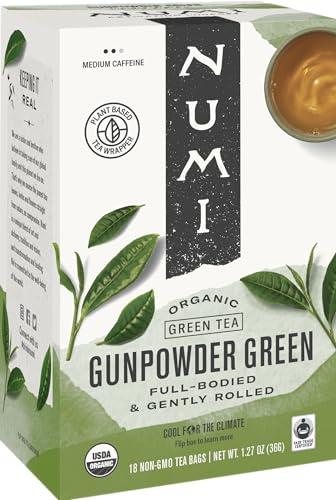
Numi Organic Tea Gunpowder Green
The rare green tea bag that tastes like real leaf, tightly rolled gunpowder pellets that unfurl into a bold, clean cup.
Origin & grade: USDA Organic and Fair Trade Certified; Numi is a Certified B Corporation and uses plant-based, non-GMO tea bags.
Gunpowder green tea gets its name from the leaves being rolled into tight little pellets that resemble shot, a form that, conveniently, protects the leaf from oxidation and keeps it fresh longer than loose flat leaf. Numi packs whole rolled pellets into its bags rather than the broken dust most bagged greens use, and you can taste the difference: a bolder, slightly smoky-vegetal cup with real body.
It's a touch stronger and more astringent than our loose-leaf picks, so mind the steep time, pull the bag at around 2 to 3 minutes. Numi's organic, Fair Trade, B-Corp sourcing is also among the most transparent in the bagged-tea aisle. For most people who want "a good green tea bag," this is the answer.
- Type
- Bagged Chinese gunpowder green
- Origin
- China
- Form
- Rolled-leaf pellets in tea bags
- Certification
- USDA Organic, Fair Trade
- Best brew temp
- 175°F / 79°C
What we like
- Whole rolled leaf, not dust
- Bold, clean flavor with real body
- Organic, Fair Trade, B-Corp
- Convenient and travel-friendly
Worth noting
- Can turn astringent if over-steeped
- Stronger than delicate sencha
Who should buy it: Anyone who wants quality green tea in convenient bag form, at the office, while traveling, or for an unfussy daily cup.
What we don't like: Bolder and more astringent than sencha; over-steeping turns it bitter faster, so don't forget the bag in the cup.
Bottom line: If you want the convenience of a bag without the usual flavor penalty, this is the one to buy.
03 · Worth the splurge
Premium Pick
Tealyra Gyokuro Reserve Japanese Green Tea
Shade-grown gyokuro that brews into a sweet, almost brothy cup with intense umami and virtually no bitterness.
Origin & grade: Japanese-sourced shade-grown gyokuro; Tealyra specializes in single-origin leaf and lists harvest and grade details.
Gyokuro is the high-grade Japanese green tea grown under shade for the final weeks before harvest. Blocking sunlight slows photosynthesis and pushes the plant to produce more amino acids, especially L-theanine, which is what gives gyokuro its signature sweetness and deep umami. Tealyra's Reserve delivers exactly that: a thick, low-temperature brew that tastes more like sweet vegetable broth or seaweed dashi than what most people think of as "tea."
This is not your daily driver, it's an experience tea, and it's priced accordingly. But for special occasions, or for anyone who wants to understand the full range of what green tea can be, it's worth every penny. Re-steep it two or three times; each infusion shifts a little.
- Type
- Loose-leaf shade-grown gyokuro
- Origin
- Japan
- Form
- Whole loose leaf
- Certification
- Single-origin Japanese leaf
- Best brew temp
- 145°F / 63°C
What we like
- Intense sweetness and umami
- Virtually no bitterness when brewed cool
- Multiple flavorful re-steeps
- A true premium experience
Worth noting
- Expensive
- Needs precise, cool brewing
Who should buy it: Tea enthusiasts and the curious who want to taste premium green tea, and anyone who has a temperature-control kettle to brew it properly.
What we don't like: Expensive, and unforgiving, brew it too hot and you waste a fine leaf. Best with a temperature-control kettle.
Bottom line: The best cup on this list, full stop, and the clearest demonstration of how sweet and savory green tea can be.
04 · Best classic sencha alternative
Runner-Up
Harney & Sons Japanese Sencha Green Tea
A polished, widely available Japanese sencha from a trusted house, clean, grassy, and consistent batch to batch.
Origin & grade: Sourced and blended by Harney & Sons, a well-established American tea house with transparent sourcing and consistent quality control.
Harney & Sons is one of the most reliable names in American tea, and their Japanese Sencha is a textbook example of the style: bright, grassy, lightly sweet, with a clean finish. It's a touch more vegetal-forward and slightly less rounded than our top pick, but the consistency is excellent, you get the same cup every time, which isn't a given in green tea.
Brew it at 175°F for about two minutes. Push the temperature higher and it sharpens up faster than the Rishi does, so a temperature-control kettle helps. For a dependable, easy-to-source sencha, this is a strong choice and a worthy runner-up.
- Type
- Japanese sencha (loose or sachet)
- Origin
- Japan
- Form
- Loose leaf or silken sachets
- Certification
- Reputable house sourcing
- Best brew temp
- 175°F / 79°C
What we like
- Bright, clean, consistent
- Available loose or in sachets
- Widely available and trusted
- Good value
Worth noting
- Sharpens if brewed too hot
- Less rounded than top pick
Who should buy it: People who want a trustworthy, consistent sencha and value the option of both loose leaf and sachets from a single, reputable house.
What we don't like: Slightly more astringent than our top pick and less forgiving if your water runs hot.
Bottom line: Our runner-up for best overall: nearly as good as Rishi, and easier to find, available in both loose tin and sachet form.
05 · Best Chinese green (Dragon Well)
Best Chinese Style
The Republic of Tea Dragon Well Green Tea
A pan-fired Chinese Longjing-style green with a smooth, nutty, chestnut character that's a world away from grassy sencha.
Origin & grade: Sourced by The Republic of Tea; Dragon Well (Longjing) is China's most famous green tea, traditionally pan-fired by hand.
Dragon Well, Longjing in Chinese, is the most celebrated green tea in China, and it tastes completely different from Japanese sencha. Instead of being steamed, the flat, sword-shaped leaves are pan-fired, which gives the tea its characteristic smooth, nutty, lightly toasty cup with a sweet chestnut note and very little grassiness.
The Republic of Tea's version is a solid, accessible take on the style, not a rare estate Longjing, but a consistent, pleasant everyday Dragon Well. Brew at 175-180°F for two to three minutes. It's also one of the more forgiving greens for people who tend to brew on the hotter side.
- Type
- Chinese Dragon Well (Longjing) green
- Origin
- China
- Form
- Loose leaf or bags (varies)
- Certification
- Reputable house sourcing
- Best brew temp
- 178°F / 81°C
What we like
- Smooth, nutty, chestnut character
- Low grassiness, very approachable
- Forgiving to brew
- Distinct from Japanese style
Worth noting
- Not estate-grade Longjing
- Milder and less complex than premium versions
Who should buy it: Anyone who prefers a smooth, nutty, toasty green over the grassy Japanese style, and fans of Chinese tea generally.
What we don't like: Not an estate-grade Longjing, so connoisseurs may want to trade up; flavor is milder and less complex than top-tier Dragon Well.
Bottom line: The best pick if you want the mellow, toasty, chestnut profile of Chinese green tea rather than the grassy Japanese style.
06 · Best everyday value loose-leaf
Best Value
VAHDAM Himalayan Green Tea Leaves (12 oz)
Garden-fresh Himalayan loose-leaf green at a friendly price, light, smooth, and a great everyday workhorse.
Origin & grade: Sourced directly from Indian estates by VAHDAM; the brand emphasizes farm-to-cup direct trade and is plastic-neutral and carbon-neutral certified.
VAHDAM is a direct-trade Indian tea company that ships leaf relatively fresh from gardens in the Himalayan foothills, and its everyday green tea is a genuine value. The cup is lighter and smoother than a Japanese green, gently sweet and floral, with low astringency and an easy, mellow finish that makes it very drinkable plain.
It's not as complex or distinctive as our pricier picks, but it's not trying to be, it's a reliable, affordable bulk green for someone who drinks a cup or two a day. Brew at 175°F for two to three minutes. A strong choice for stocking your pantry without overspending.
- Type
- Himalayan loose-leaf green
- Origin
- India (Himalayan foothills)
- Form
- Whole loose leaf
- Certification
- Direct-trade; carbon- and plastic-neutral brand
- Best brew temp
- 175°F / 79°C
What we like
- Excellent value
- Fresh, direct-trade sourcing
- Light, smooth, easy to drink
- Great for everyday volume
Worth noting
- Less complex than premium picks
- Lighter, simpler flavor
Who should buy it: Daily green-tea drinkers who want fresh loose leaf in volume without paying a premium, and anyone curious about Indian green tea.
What we don't like: Less complex and distinctive than our premium picks; flavor is pleasant but on the lighter, simpler side.
Bottom line: The best value loose-leaf here, a smooth, light, daily-drinker green from the Himalayas that punches above its price.
07 · Best toasty-rice flavor (genmaicha)
Most Comforting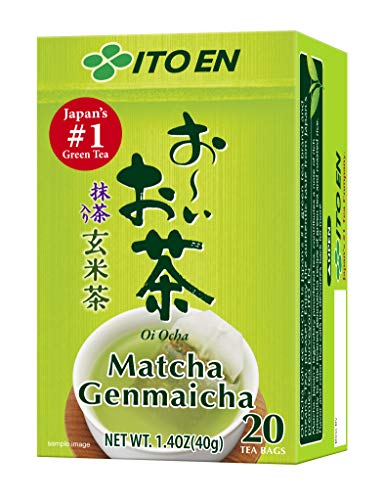
Ito En Oi Ocha Genmaicha Tea (20-Count, Pack of 4)
Sencha blended with toasted brown rice for a warm, popcorn-nutty cup, the coziest, most beginner-friendly green here.
Origin & grade: Made by Ito En, Japan's largest green-tea company, known for tightly controlled sourcing and unsweetened, additive-free tea.
Genmaicha is Japanese green tea blended with toasted (and sometimes popped) brown rice, which gives it a warm, nutty, almost popcorn-like aroma and a savory, comforting flavor. The rice mellows out the grassiness and astringency of the underlying sencha, which makes genmaicha one of the easiest green teas for newcomers to love.
Because the rice tempers the bitterness, genmaicha is also more forgiving of slightly hot water than straight sencha, a good thing if you're brewing without a thermometer. This is the bagged version, four 20-count boxes, which keeps the per-cup cost low and the brewing effortless. It's a cozy, low-risk green for any time of day.
- Type
- Genmaicha (sencha + toasted brown rice)
- Origin
- Japan
- Form
- Tea bags (4 x 20 count)
- Certification
- Ito En quality sourcing, no additives
- Best brew temp
- 175°F / 79°C
What we like
- Warm, nutty, comforting flavor
- Very beginner-friendly
- Forgiving to brew
- No additives or sweeteners
Worth noting
- Not for green-tea purists
- Rice can dominate if over-steeped
Who should buy it: Newcomers to green tea, anyone who finds plain green too grassy, and people who want a warm, savory, comforting cup.
What we don't like: The toasted-rice character won't suit purists who want a clean, classic green; the rice can dominate if over-steeped.
Bottom line: The most approachable and comforting option, genmaicha's toasted-rice flavor mellows green tea's edges and wins over newcomers.
How we tested
We bought every tea in this guide at retail, no samples, no sponsorships, no paid placement. Each loose-leaf tea was brewed multiple times across a range of water temperatures (from about 140°F for gyokuro up to 185°F) and steep times to find its sweet spot, and we judged the cup it produced when brewed well. Bagged teas were brewed per their package directions and then a second time with our own optimized method.
We scored each tea on aroma, sweetness, body, umami, and astringency, and, for bagged options, on how much quality survived the bag. We also weighed freshness and sourcing transparency, since green tea degrades faster than other teas and a fresh harvest can outshine a more prestigious but older leaf. Picks reflect the best cup for the money in each category, not the most expensive option.
What to look for when buying green tea
Freshness and harvest date. Green tea is the least oxidized true tea, which makes it the most perishable. Look for a recent harvest or packaging date, buy quantities you'll finish within several months, and store the tea sealed, cool, dark, and away from strong odors.
Whole leaf over dust. Whether loose or bagged, whole or rolled leaf brews cleaner and lasts longer than broken fannings. If you can see the leaf, that's usually a good sign.
Style matches taste. Japanese greens (sencha, gyokuro, genmaicha) lean grassy, vegetal, and umami; Chinese greens (Dragon Well, gunpowder) lean nutty, toasty, and smooth. Neither is better, pick the profile you enjoy.
Certifications and sourcing. Organic and Fair Trade certifications, plus transparent origin and harvest information, are reasonable proxies for care in production. Several picks here, Rishi, Numi, VAHDAM, score well on this.
Does green tea actually have health benefits?
Green tea is one of the most-studied beverages in the world, and it is rich in polyphenol antioxidants, most notably a catechin called EGCG. Research has explored possible associations with cardiovascular and metabolic health, but it's important to be careful with claims here.
The honest framing: green tea is a hydrating, low-calorie drink that may support general wellness as part of a balanced diet, and it has traditionally been valued for its calming-yet-alert quality, a combination often attributed to its mix of caffeine and the amino acid L-theanine. It is not a treatment or cure for any disease, and you should not rely on it as one. A typical cup of green tea contains meaningfully less caffeine than coffee, often in the range of 20 to 45 mg per 8-ounce cup versus roughly 95 mg for coffee, which is part of why many people find it a gentler daily ritual. If you have a medical condition or take medication, check with a healthcare professional before making green tea a major part of your routine.
Key terms
- Sencha
- The most common Japanese green tea, made from steamed leaves. Bright, grassy, lightly sweet, the everyday green tea of Japan.
- Gyokuro
- A premium Japanese green tea grown under shade for its final weeks, which boosts amino acids and creates an intensely sweet, umami, low-bitterness cup. Brewed with cool water.
- Gunpowder
- A Chinese green tea whose leaves are rolled into tight pellets resembling shot. The rolling protects freshness and yields a bold, slightly smoky cup.
- Dragon Well (Longjing)
- China's most famous green tea, pan-fired rather than steamed, giving a smooth, nutty, chestnut-like flavor with little grassiness.
- Genmaicha
- Japanese green tea blended with toasted brown rice, producing a warm, nutty, popcorn-like cup that's gentle and beginner-friendly.
- Umami
- The savory "fifth taste", in green tea it reads as a brothy, vegetal-sweet roundness, most pronounced in shade-grown teas like gyokuro.
- Astringency
- The dry, puckering, sometimes bitter sensation from tannins. Over-heating or over-steeping green tea increases it; the right temperature minimizes it.
Questions, answered
What is the best green tea overall?
For most people, Rishi Tea Sencha is the best green tea: it's an organic Japanese loose-leaf that delivers the clean, sweet, umami-vegetal cup people imagine when they think of good green tea, and it's forgiving enough that you won't ruin it with slightly-too-hot water. If you want a tea bag instead, Numi Organic Gunpowder Green is the best bagged option, and Tealyra Gyokuro Reserve is the premium splurge.
Why does my green tea taste bitter?
Almost always because the water was too hot or the tea steeped too long. Green tea should be brewed at roughly 160-180°F (71-82°C), never at a rolling boil, and steeped for only 1-3 minutes. Boiling water scalds the delicate leaf and extracts harsh tannins. If you don't have a temperature-control kettle, boil the water and let it cool for about two minutes before pouring.
Is loose-leaf green tea better than tea bags?
Generally yes, because most cheap green tea bags are filled with broken leaf and dust that brews harsher and goes stale faster. But the gap closes a lot with high-quality bags that contain whole or rolled leaf, like Numi's gunpowder pellets or roomy pyramid sachets. So a good whole-leaf bag can be nearly as satisfying as loose leaf, with more convenience.
How much caffeine is in green tea?
An 8-ounce cup of green tea typically contains about 20-45 mg of caffeine, compared with roughly 95 mg in a cup of coffee. The exact amount varies by tea type, leaf-to-water ratio, water temperature, and steep time. Gyokuro and matcha tend to be higher; lighter bagged greens tend to be lower. Green tea also contains L-theanine, an amino acid often associated with a calmer, steadier alertness.
What's the difference between Japanese and Chinese green tea?
Japanese green teas (like sencha, gyokuro, and genmaicha) are usually steamed, which preserves a fresh, grassy, vegetal, umami-rich character. Chinese green teas (like Dragon Well and gunpowder) are typically pan-fired, giving a smoother, nuttier, toastier cup with less grassiness. Neither is objectively better, try both and pick the profile you prefer.
How should I store green tea to keep it fresh?
Keep it in an airtight, opaque container, away from light, heat, moisture, and strong odors (tea readily absorbs smells). A cool cupboard is ideal. Because green tea is delicate and oxidizes over time, aim to drink loose-leaf green tea within about 6-12 months of opening for the best flavor. Avoid storing it next to spices or coffee.
What temperature should I brew green tea at?
For most green teas, aim for 160-180°F (71-82°C). For premium shade-grown gyokuro, go cooler, about 140-150°F (60-65°C), to bring out sweetness and avoid bitterness. Heartier styles like gunpowder and Dragon Well tolerate the higher end of the range. The universal rule: never use boiling water on green tea.
Keep reading
Best Green Tea Bags
Eight bags brewed; Ito En wins.
Harney & Sons Tea Review: Is the Premium Blender Worth It?
Our full hands-on review of Harney & Sons, taste, value, and what to buy.
Ito En Tea Review (2026): Is It Worth It? Best & Worst Blends
Our full hands-on review of Ito En, taste, value, and what to buy.
Rishi Tea Review: Organic Loose-Leaf Tested & Rated
Our full hands-on review of Rishi Tea, taste, value, and what to buy.
Tealyra Tea Review (2026): Is It Worth It? Best & Worst Blends
Our full hands-on review of Tealyra, taste, value, and what to buy.
Tea Bag Price Index (July 2026)
Our original dataset: green tea averages 41.5 cents per cup, versus 16.3 cents for black, measured across 162 live listings.
Best Hot Water Boilers for Tea
Green tea wants 175°F water, and these Zojirushi and Tiger machines hold it there all day.
Best Tea for Studying
Green tea's caffeine-plus-L-theanine profile is the backbone of our focus-session ranking.
Tea Caffeine Chart: Every Type, Measured
Where green's 15 to 45 mg sits against black, oolong, white, and matcha.