Our pick. Harney & Sons
Check priceHarney & Sons vs Art of Tea: Which Premium Brand Wins? (2026)
Two American premium tea houses, two very different philosophies. One built a cult on a single spiced black tea; the other built an organic, foodservice-grade catalog. Here's who each one is actually for.
By The Best Tea Bags Desk~8 min readUpdated
Quick answer: Harney & Sons wins on flavored-classic identity and presentation: Hot Cinnamon Spice is a signature blend with no real equivalent, and the tins and silken sachets feel like a gift even when they're for you.
Our top pick.The single best reason to try Harney & Sons
Harney & Sons Hot Cinnamon Spice Tea, 50 Sachets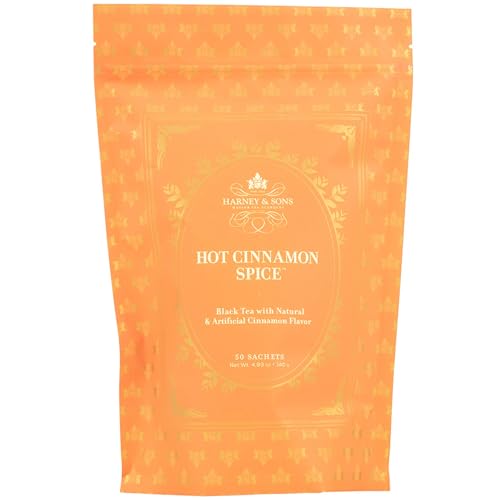
- Price.
- $13.19
- Our rating.
- 5.0 out of 5
The cult spiced black tea that tastes like dessert with zero added sugar, and the clearest argument for why Harney earns its prestige.
Not sure yet? Compare all 2 picks below ↓
The short version: buy Harney & Sons if you want refined flavored classics, gorgeous tins, and the most famous spiced black tea in America; buy Art of Tea if you want certified-organic, whole-leaf blends and you care that what's in the cup is clean. Both are genuinely premium, both are American, and both are a real upgrade over anything on a supermarket shelf. But they're built on opposite instincts.
Harney & Sons is the East Coast classicist out of Millerton, New York, the brand you see in hotels, tea rooms, and well-stocked cafes, known for silken sachets, collectible tins, and one runaway hit (Hot Cinnamon Spice) that converts skeptics in a single cup. Art of Tea is the Los Angeles organic house that grew out of custom blending and foodservice, where USDA Organic certification and whole loose leaf are the whole point.
Below is how they actually differ on flavor identity, sourcing, format, and value, and a clear pick this if… at the end so you don't have to guess.
The short version.
- Art of Tea wins on sourcing transparency: nearly everything is USDA Organic and sold as whole loose leaf, which matters if clean ingredients and re-steeping are priorities.
- Format is the fastest way to choose: Harney leans sachets-and-tins (grab-and-go, gifting), Art of Tea leans loose leaf (ritual, control, value per cup).
- Neither is cheap, but both justify the price, Harney through flavor drama and polish, Art of Tea through organic whole leaf and strong per-cup math.
- If you only test one blend from each: Hot Cinnamon Spice for Harney, Earl Greyer for Art of Tea. They're the clearest statements of what each brand does well.
| Harney & Sons | Art of Tea | |
|---|---|---|
| Home base | Millerton, New York | Los Angeles, California |
| Identity | Refined classic + flavored range; hotel/cafe prestige | Organic blends; custom + foodservice roots |
| Signature blend | Hot Cinnamon Spice | Earl Greyer |
| Organic | Select organics; not the whole catalog | USDA Organic across most of the line |
| Primary format | Silken pyramid sachets + collectible tins | Whole loose leaf (tins and pouches) |
| Best for | Flavored classics, gifting, grab-and-go | Clean-label drinkers, loose-leaf ritual, value per cup |
| Presentation | A genuine strength, gift-ready tins | Clean and botanical, leaf-forward |
| Re-steeping | Sachets re-steep modestly | Whole leaf re-steeps well for a lighter second cup |
Harney & Sons vs Art of Tea at a glance
Harney & Sons Hot Cinnamon Spice Tea, 50 Sachets
Harney & Sons
The cult spiced black tea that tastes like dessert with zero added sugar, and the clearest argument for why Harney earns its prestige.
Bottom line: This is Harney's calling card and the blend that explains the whole brand. Hot Cinnamon Spice delivers a bold, sweet, spice-forward cup with no added sugar, nothing in Art of Tea's catalog plays this exact role, which is why it's the blend to start with to decide if Harney is for you.
Origin and grade. Single-ingredient transparency: black tea with three types of cinnamon, orange peel, and sweet cloves, no added sugar or artificial sweeteners, clearly labeled.
This is the blend people get obsessed with, and after one cup it's obvious why. The aroma alone is remarkable: warm, sweet, three-cinnamon spice with bright orange peel and a clove backbone, all riding on a solid black-tea base. The most impressive part is the perceived sweetness, your brain reads it as a sweet, almost dessert-like cup, but there's no added sugar and no artificial sweetener in it. The sweetness is an illusion conjured entirely by aromatic cinnamon and orange.
It's outstanding hot, and it makes a genuinely excellent iced tea and cold brew, where the spice holds up beautifully. It also forgives over-steeping better than most teas, leave the sachet in too long and it gets stronger rather than harshly bitter, because the spice masks the tannins. The silken pyramid sachets hold larger leaf and whole spice pieces than a flat tea bag, which is a real part of why the cup tastes so full and why they feel a notch more premium in the cup. Our only nitpick is that the spice intensity can overwhelm subtler palates; if you want a quiet, leafy black tea, this isn't it. For everyone else, it's a near-perfect product, and the thing Art of Tea has no direct answer to.
Who should buy it.
Anyone who loves chai-adjacent spiced tea, anyone cutting sugar who still wants a 'treat' cup, and skeptics who've never understood the Harney hype, this is the blend that converts them.
What we don't like.
The spice is assertive enough that it can flatten subtler black-tea character; purists who want plain leaf should look elsewhere. The flavoring is listed as natural, not whole-spice-only, though cinnamon and orange peel are real ingredients in the blend.
- Type
- Flavored black tea
- Format
- Pyramid sachets (also sold loose-leaf in tins)
- Count
- 50 sachets (box) / available in tins
- Caffeine
- Caffeinated (~40-50 mg per cup)
- Flavor profile
- Cinnamon, orange, clove; sweet aroma, no added sugar
What we like.
- Bold, naturally sweet spice flavor with zero added sugar
- Exceptional hot, iced, and as cold brew
- Forgiving, gets stronger, not harsh, if over-steeped
- Silken pyramid sachets give a full, premium cup
- A signature blend with no real Art of Tea equivalent
Worth noting.
- Spice intensity can overwhelm subtle-tea drinkers
- Not certified organic across the board the way Art of Tea is
- Premium price vs. supermarket flavored teas
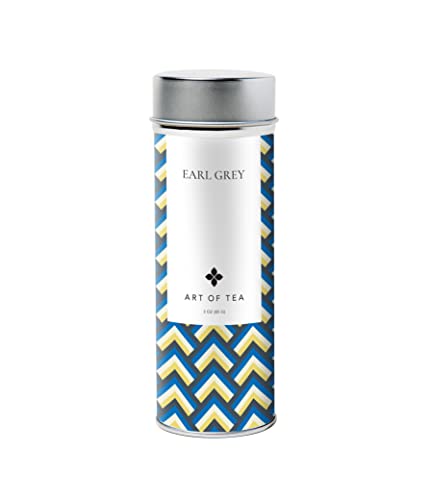
Art of Tea Earl Greyer Organic Loose Leaf Tea
Art of Tea
A bergamot-forward, USDA Organic, whole-leaf Earl Grey that makes the bagged grocery version taste flat and dusty by comparison.
Bottom line: The blend that best justifies Art of Tea's premium and its organic, loose-leaf philosophy. The bergamot is bright without turning soapy, the whole-leaf base gives a clean, brisk cup with real body, and it's the clearest demonstration of what the extra money buys here.
Origin and grade. USDA Organic certified; whole-leaf organic black tea scented with bergamot oil and finished with blue cornflower petals.
Earl Grey is the ultimate test of a flavored-black blender because the failure modes are so easy to hit: too little bergamot and it's just mediocre black tea, too much (or low-quality oil) and it tastes like perfume or dish soap. Earl Greyer is built to thread that needle, the bergamot reads as fresh citrus zest rather than synthetic, and it sits on top of a brisk, malty black base instead of fighting it.
The blue cornflower petals are mostly cosmetic, they look beautiful in the tin and add negligible flavor, but they're a real botanical, not a dye, which fits the brand's organic positioning. A standard 3-ounce tin yields roughly 40 to 45 cups at a heaped teaspoon per 8 ounces, and the whole leaf re-steeps well for a lighter second cup. Run the math and the per-cup cost lands in genuinely reasonable territory for something this aromatic.
If you only try one Art of Tea blend to decide whether the brand is for you, make it this one. Where Harney sells you presentation and a signature flavor, Art of Tea sells you certified-organic whole leaf, and Earl Greyer is the cup that makes that case.
Who should buy it.
Anyone who drinks Earl Grey regularly and has only ever had the bagged version, and anyone who specifically wants certified-organic, whole-leaf tea. The upgrade is immediately obvious and the per-cup cost stays sane.
What we don't like.
The cornflower petals are pure decoration. Loose leaf means you'll want an infuser, it's less grab-and-go than Harney's sachets. And like all bergamot teas, it's polarizing; if you find Earl Grey perfumey in general, a brighter bergamot won't change your mind.
- Type
- Flavored black tea
- Form
- Whole loose leaf
- Certification
- USDA Organic
- Key inclusions
- Bergamot oil, blue cornflower petals
- Caffeine
- Moderate (black tea base)
- Approx. cups per 3 oz tin
- 40-45
What we like.
- Bright, fresh bergamot that avoids the soapy trap
- USDA Organic whole-leaf base with real body
- Forgiving of over-steeping; re-steeps for a second cup
- Strong per-cup value among premium Earl Greys
Worth noting.
- Cornflower petals add looks, not flavor
- Loose leaf needs an infuser, less convenient than sachets
- Bergamot intensity won't convert Earl Grey skeptics
Flavor identity: a signature blend vs. a clean organic catalog
This is the clearest line between the two brands. Harney & Sons is built around flavored classics with showpieces. Hot Cinnamon Spice is the obvious one, a spiced black tea that tastes sweet with zero added sugar, but the range runs deep into approachable, aromatic blends (Paris, Earl Grey Supreme, Hot Cinnamon's whole family) that are easy to love on the first sip. The house instinct is refined but immediately likable.
Art of Tea's identity is the clean, whole-leaf version of a classic done right. Earl Greyer is the standout: a bergamot-forward organic Earl Grey that reads as fresh citrus rather than perfume, on a brisk whole-leaf base. The catalog leans toward organic greens, herbals, and well-built single-origin and blended blacks. Where Harney wants to delight you, Art of Tea wants to reassure you that what's in the cup is clean and whole.
Neither approach is better in the abstract. If you want a tea that makes people say what is that?, Harney's signature blends get there faster. If you want a daily cup you feel good about ingredient-wise, Art of Tea is the steadier pick.
Organic vs. not: the sourcing difference that actually matters
This is where the brands genuinely diverge, and it's worth being precise. Art of Tea is built around USDA Organic, most of the catalog, including Earl Greyer, is certified, and that certification is central to the brand's whole pitch. If organic is a hard requirement for you, Art of Tea makes the decision easy.
Harney & Sons offers select organic teas but is not organic across the board. Many of its most famous blends, including Hot Cinnamon Spice, are not certified organic. That's not a knock on quality, the ingredients are real and clearly labeled, but it's a real fork in the road. A clean-label drinker who reads certifications will lean Art of Tea; someone who cares more about flavor and presentation than the organic seal won't mind Harney.
Format: sachets and tins vs. whole loose leaf
Format is the fastest practical way to choose between these two. Harney & Sons leans into silken pyramid sachets and collectible tins. The sachets hold larger leaf than a flat bag, brew a full cup, and are genuinely grab-and-go, ideal for an office drawer or travel. The tins are a real part of the appeal: they look like a gift even when you bought them for yourself, which is exactly why you see Harney in hotels and on gift tables. (Many Harney blends are also sold loose if you prefer.)
Art of Tea leans into whole loose leaf. That gives you a rounder cup, control over strength, and re-steeps for a lighter second round, but it asks for an infuser and a bit more ritual. It's the better format for someone who already brews loose-leaf and wants the leaf intact rather than broken into a bag.
Quick rule: convenience and gifting → Harney sachets/tins; ritual, control, and value-per-cup → Art of Tea loose leaf.
Value and prestige: what your money actually buys
Both sit above the supermarket, and both earn it, just differently. Harney's premium goes into flavor drama and presentation. You're paying for blends that are hard to find elsewhere (Hot Cinnamon Spice especially), silken sachets, and packaging that carries real gift and prestige value. The hotel-and-cafe ubiquity is part of the brand equity you're buying into.
Art of Tea's premium goes into the leaf and the certification. Whole organic loose leaf, sane per-cup math (a 3-ounce tin of Earl Greyer runs ~40-45 cups and re-steeps), and a clean-label story. If you measure value by what's actually in the cup per dollar, loose leaf usually wins; if you measure it by experience and giftability, Harney's polish is hard to beat.
So which one wins?
Neither, universally, and that's the honest answer. They're aimed at different drinkers.
- Pick Harney & Sons if… you want flavored classics with a signature wow blend (start with Hot Cinnamon Spice), you value presentation and giftability, you want grab-and-go sachets, and the organic seal isn't a dealbreaker.
- Pick Art of Tea if… you want certified USDA Organic, you prefer whole loose leaf and don't mind an infuser, you care about clean ingredients and re-steeping, and you want strong per-cup value (start with Earl Greyer).
If you genuinely can't decide, buy one signature blend from each, Hot Cinnamon Spice and Earl Greyer, and let your own cup settle it. They're the truest expression of what each brand is, and together they cost less than committing blind to the wrong one.
Questions, answered.
Is Harney & Sons or Art of Tea better?
Neither is better across the board, they suit different drinkers. Harney & Sons is the pick for flavored classics, signature blends like Hot Cinnamon Spice, and gift-ready presentation. Art of Tea is the pick for certified USDA Organic, whole loose leaf, and clean-label drinkers who want value per cup. Choose by what you prioritize: flavor drama and convenience (Harney) or organic whole leaf (Art of Tea).
Is Art of Tea organic? Is Harney & Sons organic?
Art of Tea is built around USDA Organic, most of its catalog, including Earl Greyer, is certified. Harney & Sons offers select organic teas but is not organic across the board; several of its best-known blends, including Hot Cinnamon Spice, are not certified organic. If organic certification is a hard requirement, Art of Tea is the safer default.
What is the most famous tea from each brand?
For Harney & Sons it's Hot Cinnamon Spice, a spiced black tea with three types of cinnamon, orange peel, and clove that tastes sweet with no added sugar. For Art of Tea it's Earl Greyer, a bergamot-forward organic Earl Grey on a whole-leaf base. Each is the clearest single statement of what its brand does well, and the best place to start.
Sachets or loose leaf, which should I get?
Harney & Sons leans toward silken pyramid sachets and collectible tins, which are convenient, gift-ready, and brew a full cup with no infuser. Art of Tea leans toward whole loose leaf, which gives a rounder cup, more control over strength, and re-steeps well, but needs an infuser. Choose sachets for convenience and gifting; choose loose leaf for ritual, control, and value per cup.
Are these worth the price over supermarket tea?
Yes, in both cases, they're a clear step up from grocery-store tea, just for different reasons. Harney's premium buys flavor blends you can't easily find elsewhere plus standout presentation. Art of Tea's premium buys certified-organic whole leaf with strong per-cup math (a 3-ounce tin of Earl Greyer runs roughly 40-45 cups and re-steeps). Start with one signature blend from each before committing to a larger order.
Filed under Comparison
Part of Tea Brand Reviews
More tea worth comparing
Whatever you decide, these are the tea bags our reviews keep ranking on top. Live price check on each.
- Check price

Best Overall.
Twinings English Breakfast - Check price

- Check price

Best Fast Brew.
PG Tips Original - Check price

- Check price

- Check price

Best Green.
Ito En Oi Ocha Green Tea
As an Amazon Associate we earn from qualifying purchases, at no cost to you.
Keep reading.
Harney & Sons Review
Our full take on Harney's range, sachets, and the blends worth your money beyond Hot Cinnamon Spice.
Art of Tea Review
A deeper look at Art of Tea's organic whole-leaf catalog, value, and which blends actually earn the premium.
Harney & Sons Alternatives
If Harney isn't quite right, here are the premium tea brands we'd point you to instead, and when.