Our Pick: Art of Tea
Check price →Art of Tea Review: Are the Artisan Blends Worth the Splurge?
We brewed our way through Art of Tea's hand-blended organic loose-leaf to find out whether the flavor complexity justifies a price that runs well above grocery-shelf tea.
By Justin Park · 11 min read · 2026-06-14
★ Our Top Pick
Everyday flavored black tea drinkers who want a brighter, more aromatic Earl Grey
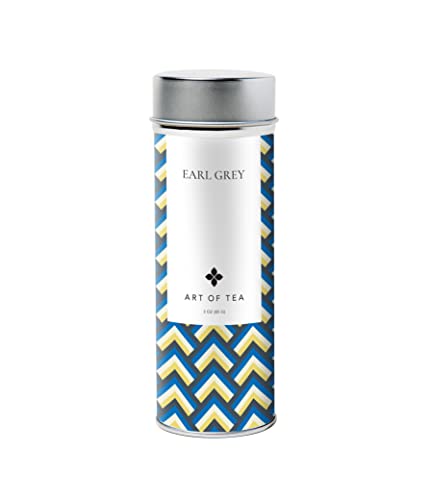
A bergamot-forward organic Earl Grey that makes the grocery-store version taste flat and dusty by comparison.
Not sure yet? Compare all 3 picks below ↓
Art of Tea is a Los Angeles-based tea company that has spent more than two decades hand-blending organic loose-leaf, and it occupies a particular slot in the market: pricier than a supermarket box, more accessible than a single-estate auction lot, and built around flavored and scented blends rather than purist single-origin leaf. The brand shows up in upscale hotels, spas, and Michelin-listed restaurants, which is part of the pitch, and part of why a tin can cost two to three times what a mass-market equivalent does.
The question we get asked most is the obvious one: is the cup actually better, or are you paying for the brand and the packaging? To answer it we focused on three of Art of Tea's best-known blends, Earl Greyer, Hot Cinnamon Sunset, and the organic ceremonial-grade matcha, because they map cleanly onto how most people actually shop: a flavored black for everyday drinking, a bold spiced black for the cozy-tea crowd, and a green-tea showpiece where quality differences are dramatic and easy to taste.
The short version: Art of Tea is worth the splurge for flavored and scented blends, where the use of whole organic leaf and real botanicals delivers a genuinely more layered cup than bagged equivalents, and it is a tougher value call on matcha, where you can find comparable ceremonial grade for less. Below we break down each blend, where the money goes, and who should buy what.
The short version
- Art of Tea blends are made with whole-leaf organic tea and real botanical inclusions, citrus peel, cinnamon bark, flower petals, rather than the dust-and-fannings filler common in cheap bagged tea, and the difference is most obvious in flavored blacks.
- Earl Greyer is the standout value: a heavily bergamot-forward Earl Grey that tastes brighter and more aromatic than the typical grocery version, and a tin brews dozens of cups.
- Hot Cinnamon Sunset is intensely sweet-spicy with zero added sugar, the sweetness is perceptual, from cinnamon and orange, making it a strong pick for anyone cutting sugar but craving a dessert-like cup.
- The organic matcha is genuinely ceremonial-grade and stone-ground, but matcha is the one category where price-per-gram competition is fierce; serious matcha drinkers can find equal quality cheaper.
- Loose-leaf is more cost-effective per cup than it looks because you re-steep and control your dose, a $20-$30 tin typically yields 40-90+ cups depending on the blend.
| Blend | Type | Best For | Caffeine | Standout Trait | Our Rating |
|---|---|---|---|---|---|
| Earl Greyer | Flavored black | Everyday Earl Grey | Moderate | Bright, fresh bergamot | 4.7 / 5 |
| Hot Cinnamon Sunset | Spiced black | Sugar-free sweetness | Moderate-High | Sweet with zero added sugar | 4.6 / 5 |
| Organic Matcha | Ceremonial matcha | Matcha-curious drinkers | High | Smooth ceremonial grade | 4.3 / 5 |
Art of Tea's three flagship blends compared on profile, form, caffeine, and best use.
01 · Everyday flavored black tea drinkers who want a brighter, more aromatic Earl Grey
Best Overall ValueArt of Tea Earl Greyer Organic Loose Leaf Tea
A bergamot-forward organic Earl Grey that makes the grocery-store version taste flat and dusty by comparison.
Origin & grade: USDA Organic certified; whole-leaf organic black tea scented with bergamot oil and finished with blue cornflower petals.
Earl Grey is the ultimate test of a flavored-black blender because the failure modes are so easy to hit: too little bergamot and it's just mediocre black tea, too much (or low-quality oil) and it tastes like perfume or dish soap. Earl Greyer threads that needle better than almost any bagged Earl Grey we've had, the bergamot reads as fresh citrus zest rather than synthetic, and it sits on top of a brisk, malty black base instead of fighting it.
The blue cornflower petals are mostly cosmetic, they look beautiful in the tin and add negligible flavor, but they're a real botanical, not a dye, which fits the brand's organic positioning. A standard 3-ounce tin yields roughly 40 to 45 cups at a heaped teaspoon per 8 ounces, and the whole leaf re-steeps well for a lighter second cup. Run the math and the per-cup cost lands in genuinely reasonable territory for something this aromatic.
If you only try one Art of Tea blend to decide whether the brand is for you, make it this one. It's the clearest demonstration of what the extra money buys.
- Type
- Flavored black tea
- Form
- Whole loose leaf
- Certification
- USDA Organic
- Key inclusions
- Bergamot oil, blue cornflower petals
- Caffeine
- Moderate (black tea base)
- Approx. cups per 3 oz tin
- 40-45
What we like
- Bright, fresh bergamot that avoids the soapy trap
- Whole-leaf organic base with real body
- Forgiving of over-steeping
- Strong per-cup value among premium Earl Greys
Worth noting
- Cornflower petals add looks, not flavor
- Bergamot intensity won't convert Earl Grey skeptics
Who should buy it: Anyone who drinks Earl Grey regularly and has only ever had the bagged version. The upgrade is immediately obvious and the per-cup cost stays sane.
What we don't like: The cornflower petals are pure decoration. And like all bergamot teas, it's polarizing, if you find Earl Grey perfumey in general, a brighter, more assertive bergamot won't change your mind.
Bottom line: The blend that best justifies Art of Tea's premium. The bergamot is bright and present without turning soapy, and the whole-leaf base gives a clean, brisk cup with real body.
02 · Cozy, dessert-like spiced tea without any added sugar
Best for Sugar-Free Sweetness
Art of Tea Hot Cinnamon Sunset Loose Leaf Tea
Intensely warming cinnamon-and-orange black tea that tastes sweet despite containing no sugar at all.
Origin & grade: Black tea blended with real cinnamon bark, orange peel, and clove; no added sugar or artificial sweeteners.
Hot Cinnamon Sunset is Art of Tea's answer to the cult-favorite hot-cinnamon spiced teas that have a devoted following, and it holds its own. The defining trick is that it tastes sweet and almost dessert-like while containing zero added sugar, the sweetness is entirely perceptual, created by aromatic cinnamon bark and orange peel signaling "sweet" to your brain. That makes it a smart pick for anyone trying to cut sugar who still wants a treat-like cup.
The cinnamon is genuinely strong; this is not a subtle blend. Three real botanicals do the work, cinnamon, orange peel, and clove, and the clove sits quietly in the background to round out the spice. It's superb iced and brewed strong over ice it makes one of the better unsweetened iced teas you can make at home. Some drinkers will find the cinnamon a touch too forward; if you prefer restraint, this isn't your blend, but that intensity is exactly why fans love it.
Value-wise it sits alongside Earl Greyer, a whole-leaf organic blend that re-steeps and delivers a high cup count per tin.
- Type
- Flavored/spiced black tea
- Form
- Whole loose leaf
- Certification
- Blended with organic and natural botanicals
- Key inclusions
- Cinnamon bark, orange peel, clove
- Caffeine
- Moderate to high (black tea base)
- Added sugar
- None
What we like
- Tastes sweet and dessert-like with no added sugar
- Bold, satisfying cinnamon with citrus lift
- Exceptional brewed strong over ice
- Real botanical inclusions, not flavoring dust
Worth noting
- Cinnamon can overwhelm if over-dosed
- Caffeinated black-tea base, not a bedtime herbal
Who should buy it: People who want a warming, dessert-like tea while avoiding sugar, and iced-tea drinkers who like assertive flavor.
What we don't like: The cinnamon is aggressive enough to dominate if you over-dose the leaf. And because the base is black tea, it's not an option for the caffeine-free crowd despite the cozy spiced-herbal vibe.
Bottom line: A genuinely bold spiced black that earns its reputation. The cinnamon is assertive and the citrus keeps it lively rather than one-note. Great hot, excellent iced.
03 · Matcha-curious drinkers who want a reliable organic ceremonial grade from a trusted brand
Solid but Not the Value Leader
Art of Tea Organic Matcha Green Tea Powder
A smooth, genuinely ceremonial-grade organic matcha, good in the cup, but priced where the competition is brutal.
Origin & grade: USDA Organic certified, stone-ground ceremonial-grade Japanese green tea powder.
Matcha is where quality differences are most dramatic, and most expensive. Art of Tea's organic offering is the real thing: stone-ground, ceremonial-grade Japanese green tea with the smooth, umami-forward profile and vivid green color that separate good matcha from the dull, bitter culinary-grade powders sold for lattes. Whisked thin (usucha) it produces a clean, slightly sweet cup with restrained astringency; it also stands up fine in a latte if that's your habit.
Here's the honest value assessment. With the flavored blacks, Art of Tea's whole-leaf-plus-real-botanicals approach creates a clear gap over cheaper alternatives. With matcha, the category is flooded with excellent direct-from-Japan ceremonial grades at competitive prices, so the brand premium buys you convenience and consistency more than a decisive quality edge. It's a very good matcha; it is not the best dollar-per-gram matcha you can find.
Matcha is also more caffeinated than steeped green tea because you consume the whole leaf, worth knowing if you're caffeine-sensitive and using it daily. As a wellness note, green tea is a natural source of L-theanine and catechins, compounds traditionally associated with calm focus; treat that as context, not a health claim.
- Type
- Ceremonial-grade matcha (green tea powder)
- Form
- Stone-ground powder
- Certification
- USDA Organic
- Origin
- Japan
- Caffeine
- High per serving (whole leaf consumed)
- Best use
- Whisked thin (usucha) or lattes
What we like
- Genuinely ceremonial-grade, smooth and low-bitterness
- USDA Organic and stone-ground
- Vivid color and clean umami profile
- Reliable, consistent quality
Worth noting
- Not the best value per gram in a crowded category
- Brand premium less justified than on the blends
- Requires careful cold storage to stay fresh
Who should buy it: Newcomers who want a no-research, reliably good organic ceremonial matcha from a known brand, and existing Art of Tea fans consolidating one order.
What we don't like: Price-per-gram is the weak point. Dedicated matcha drinkers who shop the category will find equal or better ceremonial grade for less from specialist importers.
Bottom line: A legitimately good organic matcha with a smooth, vegetal profile and minimal bitterness. The catch is that matcha is the most price-competitive category Art of Tea plays in, so the brand premium is harder to justify here.
How we evaluated Art of Tea
We assessed each blend the way a regular drinker would: brewed to the brand's recommended parameters, then tested for forgiveness under slight over- and under-steeping. For the blacks we judged aroma, balance between base tea and inclusions, body, and how cleanly the cup held up over a second steep. For the matcha we whisked it thin and evaluated color, froth, bitterness, and umami, then tasted it again in a latte.
We also looked hard at value, because that's the whole question with a premium brand. We estimated cups-per-tin and per-cup cost, and we compared each blend against what else is realistically available to a buyer at a similar price, the bagged Earl Grey on the supermarket shelf, the cult spiced blacks, and the wave of direct-from-Japan ceremonial matchas. A premium product has to beat its actual competition, not just a strawman.
Is Art of Tea worth the splurge? Our bottom line
Yes for the flavored and scented blends, with a caveat on matcha. Earl Greyer and Hot Cinnamon Sunset are where Art of Tea's whole-leaf, real-botanical approach pays off most visibly: both deliver a more aromatic, layered, and forgiving cup than their bagged competition, and the per-cup math keeps them from feeling extravagant. If you drink flavored black tea daily, these are easy to recommend.
The organic matcha is genuinely good and a safe first matcha, but matcha is the one category where the brand premium is hardest to defend, because specialist importers offer equal ceremonial grade for less. Buy it for convenience and consistency, not because it's the best value on the shelf.
One quotable line to take away: premium loose-leaf isn't expensive per cup, a $25 tin of whole-leaf blend commonly yields 40 or more cups, often under 60 cents each before re-steeping. Framed that way, the "splurge" is mostly a one-time sticker that amortizes into everyday-tea territory.
How to brew Art of Tea blends for the best cup
Black blends (Earl Greyer, Hot Cinnamon Sunset): use about one heaped teaspoon of leaf per 8 ounces of water just off the boil (around 200-212°F) and steep 3 to 5 minutes. Whole leaf is forgiving, so you have room to dial intensity to taste. For iced tea, double the leaf and steep strong, then pour over ice.
Matcha: use roughly 1 to 2 grams (a half to full teaspoon) sifted into a bowl, add about 2 ounces of water at 160-175°F, not boiling, which scorches matcha and turns it bitter, and whisk in a brisk zig-zag until frothy. Top with more water or milk to taste.
Store everything sealed, cool, dark, and dry; refrigerate matcha specifically and use it quickly once opened. Light and air are the enemies of every tea, but they punish matcha fastest.
Key terms
- Ceremonial-grade matcha
- The highest grade of matcha, made from young, shade-grown leaves stone-ground into a fine powder, intended to be whisked with water and drunk on its own. Smoother and less bitter than culinary grade.
- Fannings & dust
- The smallest broken particles of tea left over from processing, used to fill most conventional tea bags. They brew fast and strong but extract harsh, bitter notes quickly.
- Bergamot
- A fragrant citrus fruit whose oil is used to scent Earl Grey tea. Quality and quantity of bergamot oil largely determine whether an Earl Grey tastes bright and citrusy or soapy.
- Usucha
- Thin matcha, the everyday preparation where a small amount of powder is whisked with hot water into a light, frothy cup, as opposed to the thick koicha style.
- L-theanine
- An amino acid found in tea leaves, traditionally associated with a state of calm, focused alertness. Present in higher amounts in shade-grown teas like matcha.
Questions, answered
Is Art of Tea worth the higher price?
For flavored and scented blends like Earl Greyer and Hot Cinnamon Sunset, yes, the whole-leaf organic base and real botanical inclusions produce a noticeably more aromatic and layered cup than bagged equivalents, and the per-cup cost stays reasonable because you re-steep and control the dose. For matcha, it's a tougher call: the quality is genuinely ceremonial-grade, but the category is so price-competitive that you can find comparable grade for less.
Does Art of Tea Hot Cinnamon Sunset have sugar in it?
No. Hot Cinnamon Sunset contains no added sugar or artificial sweeteners. Its dessert-like sweetness is perceptual, created by aromatic cinnamon bark and orange peel that signal sweetness to your palate. That makes it a popular choice for people cutting sugar who still want a treat-like cup. Note that it is a caffeinated black tea, not a caffeine-free herbal.
Is Art of Tea matcha actually ceremonial grade?
Yes. Art of Tea's organic matcha is stone-ground, ceremonial-grade Japanese green tea, smooth, vivid green, and low in bitterness, suitable for whisking and drinking on its own rather than only for lattes. It's a reliable, certified-organic option. The main knock is value: dedicated matcha drinkers who shop specialist importers can often find equal grade at a lower price per gram.
How many cups does a tin of Art of Tea make?
It depends on the blend and how strong you brew, but a standard 3-ounce tin of a whole-leaf black blend typically yields around 40 to 45 cups at a heaped teaspoon per 8 ounces, and more if you re-steep the leaf, which whole-leaf tea does well. That's what keeps the per-cup cost in everyday-tea territory despite the premium sticker price.
Is Art of Tea organic?
Many of Art of Tea's blends, including Earl Greyer and the organic matcha, are USDA Organic certified, and the company emphasizes organic sourcing and real botanical inclusions across its line. Always check the specific product's listing, since not every single SKU in a large catalog carries the same certification.
How should I store loose-leaf tea and matcha?
Keep loose-leaf tea sealed in an airtight, opaque container somewhere cool, dark, and dry, away from heat, light, moisture, and strong odors, which tea readily absorbs. Matcha is more delicate: store it sealed in the refrigerator and use it within a few weeks of opening, because light, heat, and oxygen degrade its color and flavor faster than they do whole-leaf tea.
Does Art of Tea matcha have a lot of caffeine?
Relatively, yes. Because matcha is powdered whole leaf that you consume entirely rather than steep and discard, a serving delivers more caffeine than a typical cup of steeped green tea. If you're caffeine-sensitive and drinking it daily, keep that in mind and favor earlier in the day. Green tea is also a natural source of L-theanine, traditionally associated with calm, focused alertness.