Our Pick: Traditional Medicinals
Check price →The 7 Best Teas for Digestion and Bloating
We dug into the herbs with the strongest tradition and the best evidence behind them, peppermint, ginger and fennel, then named the specific bags worth keeping in the cupboard for after meals.
By Justin Park · 13 min read · 2026-06-14
★ Our Top Pick
Best overall for bloating

A clean, single-ingredient peppermint that brews bright and minty-strong, the default after-dinner cup.
Not sure yet? Compare all 7 picks below ↓
If you want one tea to keep on hand for a heavy stomach, reach for peppermint, and our pick is Traditional Medicinals Organic Peppermint. It is single-ingredient, certified organic, pharmacop-grade leaf, and peppermint is the most-studied herb for the kind of bloating and post-meal discomfort most people are actually dealing with. A warm cup after dinner is the cheapest, lowest-risk thing in this entire guide.
But "digestion" is not one problem, and that is why this is a roundup rather than a single winner. Peppermint relaxes the gut and is the go-to for bloating and cramping, but it can loosen the valve at the top of the stomach and make acid reflux worse. Ginger is the one to grab for nausea, motion sickness and a stomach that feels slow to empty. Fennel is the gentle, slightly sweet option for gas and for people (and pregnant tea-drinkers, after checking with a doctor) who find peppermint too aggressive. Match the herb to the symptom and a humble tea bag earns its place.
We are an independent, reader-supported review site, the tea version of a buyer's guide that doesn't sell placement. We chose these seven from dozens of widely sold options by weighing ingredient quality (whole herb vs. "natural flavor"), sourcing and third-party credentials, how strong the cup actually brews, and value per serving. Nothing here is a drug, and tea will not cure a medical condition; what good herbal tea may do is take the edge off everyday bloating and unsettledness, which for most people is the whole point.
The short version
- Peppermint is the best all-purpose digestive tea for bloating and cramping, Traditional Medicinals Organic Peppermint is our top pick for its single-ingredient, pharmacopoeial-grade leaf.
- Reach for ginger instead of peppermint if your main issue is nausea, queasiness or a stomach that feels slow and full; ginger is the better-evidenced choice for that symptom.
- Skip or go easy on peppermint if you get heartburn or acid reflux, it can relax the lower esophageal sphincter and worsen reflux; fennel or ginger are gentler.
- Single-ingredient, certified-organic teas (no 'natural flavors') brew a stronger, more honest cup, steep covered 7-10 minutes to keep the volatile oils that do the work in the cup.
- Timing matters more than dose: a warm cup in the 20-30 minutes after a meal is when these herbs are most useful for settling the stomach.
| Tea | Main herb | Best for | Caffeine | Wrapping |
|---|---|---|---|---|
| Traditional Medicinals Peppermint | Peppermint | Bloating & cramping (overall pick) | Caffeine-free | Not wrapped |
| Pukka Three Mint | Peppermint + spearmint | A softer nightly mint | Caffeine-free | Individually wrapped |
| Yogi Ginger | Ginger (+ licorice) | Nausea & queasiness | Caffeine-free | Foil-wrapped |
| Traditional Medicinals Ginger Aid | Ginger (no licorice) | Strong, clean ginger | Caffeine-free | Individually wrapped |
| Stash Fennel | Fennel seed | Gas & a tight belly | Caffeine-free | Not wrapped |
| Numi Aged Earl Grey | Black tea + bergamot | A comforting after-dinner cup | Caffeinated | Not wrapped |
| FGO Organic Peppermint | Peppermint | Best value / daily bulk | Caffeine-free | Not wrapped |
How our seven digestive teas compare, match the herb to your symptom.
01 · Best overall for bloating
Top PickTraditional Medicinals Organic Peppermint Tea
A clean, single-ingredient peppermint that brews bright and minty-strong, the default after-dinner cup.
Origin & grade: USDA Organic and Non-GMO Project Verified; the brand uses pharmacopoeial-grade herb tested to U.S. and European pharmacopeia standards.
Traditional Medicinals built its reputation on treating tea like an herbal product rather than a beverage, and it shows in the cup. This is 100% organic peppermint leaf, nothing else on the ingredient line, and it brews a markedly stronger, more cooling cup than the flavored peppermint blends that dominate supermarket shelves.
Peppermint is the most-studied herb for digestive complaints. Its active volatile oil is rich in menthol, which is thought to relax the smooth muscle of the gut; that is the same mechanism behind enteric-coated peppermint-oil capsules used for irritable bowel syndrome. A tea is far gentler than a capsule, but it is the same plant doing the same kind of work.
For everyday bloating, fullness and the cramping kind of stomach upset, this is the cup we reach for first. The one caveat is reflux: if you get heartburn, peppermint may make it worse, and you should look at fennel or ginger below instead.
- Form
- Tea bags (unbleached, no staples)
- Caffeine
- Caffeine-free
- Ingredients
- Organic peppermint leaf (single ingredient)
- Count
- 16 bags per box
- Certifications
- USDA Organic, Non-GMO Project Verified
What we like
- Single-ingredient organic peppermint, no 'natural flavors'
- Pharmacopoeial-grade, tested herb
- Brews a genuinely strong, cooling cup
- Caffeine-free and widely available
Worth noting
- Can worsen acid reflux / heartburn
- No individual wrapping, so it loses potency after opening
- Only 16 bags per box, lower value than bulk options
Who should buy it: Anyone who wants a no-nonsense, single-ingredient peppermint for post-meal bloating, gas and mild cramping, and who doesn't struggle with acid reflux.
What we don't like: Peppermint can worsen heartburn in reflux-prone people. The bags are unbleached and a touch flimsy, and there's no individual foil wrap, so the mint fades faster once the box is open.
Bottom line: If you buy one tea from this list, buy this. It is just peppermint leaf, no flavors, no fillers, sourced and tested to a pharmacopoeial standard most grocery brands never claim. The cup is genuinely strong and cooling, which matters because the menthol-rich volatile oil is what may help relax the gut.
02 · Best minty blend
Upgrade Pick
Pukka Three Mint Organic Herbal Tea
Peppermint, spearmint and field mint layered for a rounder, sweeter mint that's easier to sip nightly.
Origin & grade: Certified organic and the herbs are 'fair for life' / fairly traded; Pukka individually wraps each bag in a recyclable envelope.
Where our top pick is a single bracing note, Pukka's Three Mint is a chord: peppermint for the cooling, gut-relaxing punch, plus spearmint and field mint for sweetness and a rounder aroma. The result is a cup that's more pleasant to drink habitually, which matters, the best digestive tea is the one you'll actually brew after dinner.
Pukka individually wraps each bag, so the volatile oils stay sealed in until you brew, and the mint tastes noticeably fresher months into a box than unwrapped competitors. The herbs are organic and fairly traded, which is a real, verifiable sourcing credential rather than a vague label.
It costs more per cup than the Traditional Medicinals box, which is why it's our upgrade rather than overall pick. But if you drink mint tea nightly, the freshness and the gentler profile are worth it.
- Form
- Tea bags (individually wrapped)
- Caffeine
- Caffeine-free
- Ingredients
- Organic peppermint, spearmint and field mint
- Count
- 20 bags per box
- Certifications
- Organic, fairly traded
What we like
- Three-mint blend is rounder and easier to drink nightly
- Individually wrapped for lasting freshness
- Organic and fairly traded sourcing
- 20 bags, slightly better value than a 16-count
Worth noting
- More expensive per cup
- Still peppermint-based, reflux caution applies
- Less bracingly strong than single-ingredient peppermint
Who should buy it: Nightly mint drinkers who want peppermint's settling effect in a softer, sweeter, more aromatic cup, and who value individually wrapped bags for freshness.
What we don't like: Pricier per serving than single-ingredient peppermint. Still contains peppermint, so it isn't a free pass for severe reflux. The sweeter profile is milder, so heavy bloating may want straight peppermint.
Bottom line: A more aromatic, less medicinal take on the peppermint cup. The three-mint blend gives you peppermint's gut-settling character with a softer, sweeter finish from spearmint and field mint, easier to drink every night without it feeling like a remedy.
03 · Best for nausea
Best for Nausea
Yogi Ginger Tea
A warming, spicy-sweet ginger blend with lemongrass and licorice, the cup for queasiness and a slow stomach.
Origin & grade: USDA Organic and Non-GMO Project Verified; individually foil-wrapped bags.
Ginger is the herb to reach for when your stomach feels queasy, slow or over-full rather than gassy and bloated. It is the best-evidenced botanical for nausea, studied for motion sickness, morning sickness and chemotherapy-related queasiness, and it's thought to work partly by helping the stomach empty a little faster.
Yogi's blend leads with organic ginger and dried ginger, then adds lemongrass, licorice and a little black pepper. That black pepper isn't decoration: it adds warmth and the brand pairs it with ginger in the traditional way. The cup is spicy-sweet and warming, and the licorice means you won't need to add honey.
One ingredient note: this blend contains licorice root, which in large daily amounts can raise blood pressure. An occasional cup is not a concern for most people, but if you have hypertension, Traditional Medicinals' Ginger Aid (below) is the cleaner ginger choice.
- Form
- Tea bags (individually foil-wrapped)
- Caffeine
- Caffeine-free
- Ingredients
- Organic ginger, lemongrass, licorice, black pepper and more
- Count
- 16 bags per box
- Certifications
- USDA Organic, Non-GMO Project Verified
What we like
- Best-evidenced herb for nausea and queasiness
- Pleasant spicy-sweet cup that doesn't need sweetener
- Individually foil-wrapped for freshness
- Organic and widely stocked
Worth noting
- Contains licorice, caution with high blood pressure
- Blended, so less concentrated than pure ginger
- Sweet, licorice-forward flavor isn't for everyone
Who should buy it: Anyone whose main complaint is nausea, queasiness or feeling slow and over-full after eating, and who likes a sweeter, more aromatic ginger.
What we don't like: Contains licorice root, which isn't ideal in quantity for people with high blood pressure. It's a blend, so it's less concentrated ginger than a single-ingredient option, and the sweetness won't suit everyone.
Bottom line: When the problem is nausea rather than bloating, switch from mint to ginger, and this is the most pleasant everyday ginger tea we tried. The licorice and lemongrass round off ginger's bite without burying it, and ginger has the best evidence of any herb here for queasiness.
04 · Best pure ginger
Cleanest Ginger
Traditional Medicinals Organic Ginger Aid Tea
A punchy, no-licorice ginger built around blackberry leaf and lemon myrtle, strong ginger without the blood-pressure caveat.
Origin & grade: USDA Organic and Non-GMO Project Verified; pharmacopoeial-grade herb, individually wrapped.
Traditional Medicinals' Ginger Aid is the cleaner-label counterpart to the Yogi blend. It centers on a hefty dose of organic ginger, rounded out with blackberry leaf, lemon myrtle and lemongrass, and notably no licorice, which makes it the better daily ginger for anyone watching their blood pressure.
The cup is hot and assertively spicy; this is not a shy ginger. Like the brand's peppermint, the herb is held to a pharmacopoeial standard, so you're getting a tested, consistent product rather than whatever ginger dust ended up in the box. For a stomach that feels slow and heavy after a big meal, ginger may help things move along, and a strong cup like this delivers a real dose.
Between this and the Yogi blend, choose this one if you want maximum ginger and no licorice; choose Yogi if you prefer a sweeter, more rounded everyday cup.
- Form
- Tea bags (individually wrapped, no staples)
- Caffeine
- Caffeine-free
- Ingredients
- Organic ginger, blackberry leaf, lemon myrtle, lemongrass
- Count
- 16 bags per box
- Certifications
- USDA Organic, Non-GMO Project Verified
What we like
- Strong, concentrated ginger with no licorice
- Pharmacopoeial-grade, tested herb
- Better choice than blends for high blood pressure
- Individually wrapped
Worth noting
- Very spicy, not a mild cup
- More expensive than basic ginger teabags
- Ginger can interact with blood thinners
Who should buy it: Ginger lovers who want a strong, licorice-free cup, especially anyone with high blood pressure who should avoid the licorice in many ginger blends.
What we don't like: Aggressively spicy, too much for people who want a mild cup. Pricier than basic ginger teabags, and ginger's blood-thinner interaction means it isn't for everyone.
Bottom line: The ginger pick for anyone who wants ginger's warming, nausea-easing punch without licorice in the blend. It brews hot and genuinely spicy, and the pharmacopoeial-grade sourcing is a step above most grocery ginger teas.
05 · Best for gas
Best for Gas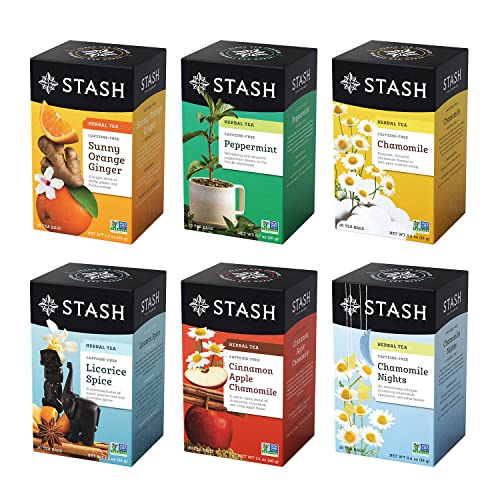
Stash Tea Fennel Herbal Tea
A sweet, licorice-like fennel, the gentle, traditional after-meal cup for gas and a tight, bloated belly.
Origin & grade: Single-ingredient fennel seed; widely available and the value leader for a dedicated fennel tea.
Fennel is the quiet workhorse of digestive teas. Its seeds are the same ones served as an after-dinner mouth freshener in many cuisines, and the herb is a classic carminative, the traditional term for a plant used to relieve gas and bloating. The flavor is naturally sweet with a licorice-like note, so it's easy to drink without sweetener.
Stash's fennel is a straightforward single-ingredient tea, and it's the value pick of this guide, a dedicated fennel that's easy to find and inexpensive per cup. For a belly that feels tight and gassy after eating, it's a gentle first move, and it's often the better-tolerated option for people who find peppermint too cooling or ginger too hot.
Fennel is traditionally used to support milk supply and ease colic, but for that reason anyone pregnant or breastfeeding should clear it with a clinician before drinking it regularly.
- Form
- Tea bags
- Caffeine
- Caffeine-free
- Ingredients
- Fennel seed (single ingredient)
- Count
- 18 bags per box
- Certifications
- Non-GMO
What we like
- Single-ingredient fennel, gentle and naturally sweet
- The value leader among dedicated fennel teas
- Easier to tolerate than peppermint or ginger for some
- Long traditional use for gas and bloating
Worth noting
- Not individually wrapped, fades after opening
- Licorice-like flavor isn't universally liked
- Evidence is more traditional than clinically robust
Who should buy it: Anyone whose main symptom is gas and a tight, bloated belly, and people who find peppermint too sharp or ginger too spicy and want a gentler, sweeter cup.
What we don't like: The bags aren't individually wrapped, so the aroma fades after opening. The licorice-like sweetness divides people, and the evidence base for fennel is more traditional than clinical.
Bottom line: The most accessible single-herb fennel on the shelf, and the gentlest of our digestive picks. Fennel has a long tradition as an after-meal 'carminative', an herb used to ease gas, and Stash's version is pure fennel seed at a friendly price.
06 · Best after-dinner black tea
After-Dinner Pick
Numi Organic Tea Aged Earl Grey
A refined organic Earl Grey with real bergamot, for the after-dinner cup when you want black tea, not an herbal remedy.
Origin & grade: USDA Organic, Fair Trade Certified; flavored with real bergamot rather than synthetic flavoring.
Let's be clear about what this is and isn't. Earl Grey is black tea scented with bergamot, and it is not a dedicated digestive herb like the others here. We include it because a great many people simply want a warm, comforting cup after eating, and a warm drink itself can help a heavy meal feel more settled. If that's you, a real Earl Grey beats a mediocre herbal tea you won't finish.
Numi's Aged Earl Grey is organic and Fair Trade, scented with real bergamot rather than synthetic flavor, and it's a notably refined version of a tea that's usually mass-produced. The aging gives it a deeper, smoother character.
One honest note for the reflux-prone: black tea is caffeinated and acidic, and caffeine can aggravate heartburn in some people. As a digestive aid it's the weakest pick here, but as a daily cup of real tea, it's lovely.
- Form
- Tea bags
- Caffeine
- Caffeinated (black tea)
- Ingredients
- Organic black tea, organic bergamot
- Count
- 16 bags per box
- Certifications
- USDA Organic, Fair Trade Certified
What we like
- Refined, real-bergamot organic Earl Grey
- Fair Trade and organic sourcing
- A warm after-meal cup many find settling
- Excellent everyday black tea
Worth noting
- Caffeinated, not for bedtime
- Weakest pick as an actual digestive aid
- Acidity and caffeine may aggravate reflux
Who should buy it: People who want a genuinely good cup of black tea after a meal for comfort and warmth, rather than a targeted herbal remedy, and who aren't drinking it right before bed.
What we don't like: It's caffeinated, so it's the wrong call before sleep and can aggravate reflux. It's the least 'functional' pick for digestion, and it's pricier than supermarket Earl Grey.
Bottom line: The outlier on this list, and an honest one: black tea isn't a remedy for bloating, but the warmth of a cup after a meal genuinely helps many people feel settled, and the bergamot in a real Earl Grey is aromatic and pleasant. If you want a 'normal' tea after dinner, make it this one.
07 · Best value / bulk
Best Value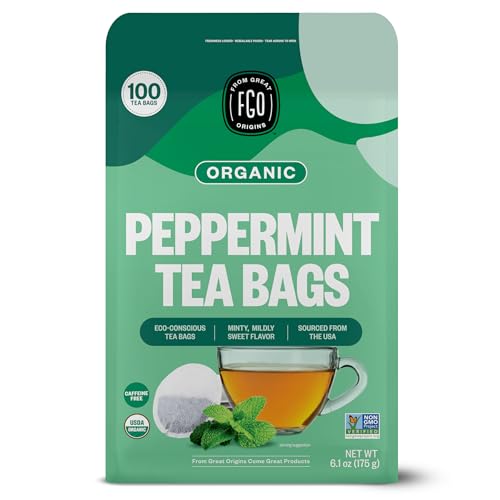
FGO Organic Peppermint Tea
A 100-count box of single-ingredient organic peppermint, the cheapest way to keep a steady supply for after every meal.
Origin & grade: USDA Organic and packed in compostable, unbleached tea bags; single-ingredient peppermint leaf.
FGO (the initials stand for Feel Good Organics) has carved out a niche selling clean, single-ingredient organic teas in large counts at low per-cup prices, and its peppermint is the value champion of this guide. You get 100 bags of nothing but organic peppermint leaf, packed in unbleached, compostable bags, for a price that often undercuts a 16-count boutique box several times over.
The cup isn't quite as pharmacopoeial-precise as Traditional Medicinals, and you won't get individual wrapping, but for daily after-meal drinking the difference is small and the savings are large. It's the same herb doing the same gut-relaxing work; you're just paying less for volume.
Store the open box in an airtight container, without individual wrapping, peppermint's volatile oils fade, and a sealed tin keeps the cup strong to the last bag.
- Form
- Tea bags (unbleached, compostable; not individually wrapped)
- Caffeine
- Caffeine-free
- Ingredients
- Organic peppermint leaf (single ingredient)
- Count
- 100 bags per box
- Certifications
- USDA Organic
What we like
- Outstanding value, 100 single-ingredient organic bags
- Clean label, compostable unbleached bags
- Same gut-relaxing peppermint as pricier boxes
- Ideal for daily after-meal drinking
Worth noting
- Not individually wrapped, store airtight to keep potency
- Slightly less precise/consistent than pharmacopoeial brands
- Peppermint reflux caution applies
Who should buy it: Daily peppermint drinkers and households who want a large, inexpensive supply of clean, single-ingredient organic peppermint without paying boutique prices.
What we don't like: No individual wrapping, so a 100-count box can lose aroma before you finish it unless you store it airtight. The same reflux caution as any peppermint applies.
Bottom line: If you drink peppermint daily, this is the math that makes sense. FGO sells single-ingredient organic peppermint in a 100-count box at a per-cup price the boutique boxes can't touch, and the quality is genuinely good for what you pay.
How we picked
We started from the herbs with the best combination of tradition and evidence for everyday digestive complaints, peppermint, ginger and fennel, and added a real black tea for people who simply want a comforting after-dinner cup. From there we weighed four things: ingredient quality (we favored whole, single-ingredient herbs over blends padded with 'natural flavors'), sourcing and credentials (organic certification, Fair Trade, and pharmacopoeial-grade testing where claimed), strength of the brewed cup (a digestive tea that brews weak isn't doing much), and value per serving. We did not accept payment for placement, and we don't earn more for ranking one product over another.
How to brew digestive tea so it actually works
The single biggest mistake is brewing herbal tea like black tea, quick, and in an open mug. The aromatic volatile oils that do the work in peppermint, ginger and fennel evaporate with the steam. Three rules cover almost everything:
1. Steep longer, 7 to 10 minutes. Herbal teas are more forgiving than black tea (they won't turn bitter), and the extra time pulls more of the active compounds into the cup.
2. Cover the cup. A saucer or lid traps the volatile oils that would otherwise float off with the steam. This one change noticeably strengthens the brew.
3. Time it to the meal. For settling a heavy stomach, the 20-30 minutes after eating is the sweet spot. For nausea or motion sickness, brew ginger 30-60 minutes ahead.
A note on safety and expectations
These are teas, not medicines. They may ease everyday bloating, gas and queasiness, but they don't treat or cure any medical condition, and persistent or severe digestive symptoms deserve a doctor's attention rather than a cupboard remedy. A few specifics worth knowing: peppermint can worsen acid reflux; ginger can interact with blood thinners and isn't advised in large amounts for some people with gallstones; licorice (in some ginger blends) can raise blood pressure with heavy daily use; and fennel and ginger should be cleared with a clinician during pregnancy or breastfeeding. When in doubt, one cup is low-risk, but check with a professional before making any herb a daily habit alongside medication.
Key terms
- Carminative
- An old herbal term for a plant traditionally used to relieve gas and bloating. Fennel, peppermint and ginger are all classic carminatives.
- Volatile oils
- The aromatic, easily evaporated oils (like menthol in peppermint) thought to do much of the digestive work, which is why you steep covered to keep them in the cup.
- Lower esophageal sphincter (LES)
- The muscular valve between the esophagus and stomach. Peppermint can relax it, which is why it may worsen acid reflux.
- Gastric emptying
- How quickly the stomach passes food into the intestine. Ginger is thought to speed it up, which may help a slow, over-full stomach.
- Pharmacopoeial grade
- Herb tested against the standards of an official pharmacopoeia (a drug-quality reference), a higher bar than typical food-grade tea.
Questions, answered
What is the best tea for digestion and bloating?
For most people, peppermint is the best all-purpose choice, our top pick is Traditional Medicinals Organic Peppermint. Peppermint is the most-studied herb for bloating and cramping, and its volatile oil is thought to relax the gut. The important exception is acid reflux: if you get heartburn, peppermint can make it worse, and ginger or fennel is the better choice.
Which tea is best for nausea?
Ginger. It has the strongest evidence of any common kitchen herb for nausea and queasiness, and has been studied for motion sickness and morning sickness. Brew a strong cup (Yogi Ginger or Traditional Medicinals Ginger Aid) and, if you're prone to motion sickness, drink it 30-60 minutes before traveling. Check with a doctor first if you're pregnant or take blood thinners.
Can peppermint tea make acid reflux worse?
Yes, it can. Peppermint relaxes smooth muscle, including the lower esophageal sphincter, the valve that keeps stomach acid down, so it may aggravate heartburn and acid reflux in people who are prone to them. If reflux is your main issue, choose fennel or ginger instead, and avoid drinking peppermint right before lying down.
Is fennel or peppermint better for gas?
Both help, but fennel is the gentler, more traditional choice specifically for gas and a tight, bloated belly, it's a classic 'carminative' and is naturally sweet, so it's easy to tolerate. Peppermint also works well for gas and cramping but is more cooling and isn't suited to reflux-prone drinkers. If one doesn't agree with you, try the other.
When should I drink tea for the best digestive benefit?
Timing matters more than dose. For settling a heavy or bloated stomach, drink a warm cup in the 20-30 minutes after eating. For nausea or motion sickness, brew ginger 30-60 minutes beforehand. And steep covered for 7-10 minutes, the aromatic oils that do the work evaporate from an open mug.
Are these digestive teas caffeine-free?
All of the herbal picks, peppermint, ginger and fennel, are naturally caffeine-free, which makes them ideal after dinner and before bed. The one exception is Numi Aged Earl Grey, which is black tea and therefore caffeinated; it's a comforting after-meal cup but should be saved for daytime if you're sensitive to caffeine or drinking to wind down.
Do loose-leaf or tea bags work better for digestion?
The herb matters more than the format. A good single-ingredient tea bag of peppermint, ginger or fennel delivers the same active compounds as loose leaf, as long as you steep it covered and long enough. Loose leaf can be fresher and stronger if you buy quality whole herb, but for convenience and consistency the clean, single-ingredient bags in this guide are an easy, effective choice.
Keep reading
Stash Tea Review (2026): Is It Worth It? Best & Worst Blends
Our full hands-on review of Stash, taste, value, and what to buy.
Traditional Medicinals Review: Do the Wellness Teas Actually Work?
Our full hands-on review of Traditional Medicinals, taste, value, and what to buy.
Yogi Tea Review (2026): Is It Worth It? Best & Worst Blends
Our full hands-on review of Yogi, taste, value, and what to buy.