Our Pick: Apace Living
Check price →How to Store Loose-Leaf Tea to Keep It Fresh Longer
The four enemies of tea freshness, the exact containers that beat them, and how long your leaves actually last.
By Justin Park · 11 min read · 2026-06-14
★ Our Top Pick
Everyday loose-leaf storage
Opaque, double-lidded tins that hit the freshness fundamentals for a few dollars apiece.
Not sure yet? Compare all 5 picks below ↓
The short version: store loose-leaf tea in an opaque, airtight container, kept cool, dry, and away from anything with a strong smell. Tea is not perishable the way milk is, but it is delicate the way ground spices are. The flavor compounds you paid for, the bright florals in a first-flush Darjeeling, the marine sweetness in a good sencha, the malt in an Assam, are volatile aromatics that fade every time the leaf meets air, light, heat, or moisture. Get the container and the spot right, and most teas hold their character for six months to two years. Get it wrong, and even an excellent tea tastes flat and papery within weeks.
The single most common mistake is leaving tea in the bag or tin it shipped in, parked next to the stove or on a sunny shelf. Those resealable foil pouches are fine for transit, but the zip rarely seals airtight after a few openings, and a windowsill cooks the leaf. The fix is not expensive: a small opaque tin with a tight inner lid, stored in a dark cupboard away from the spice rack, solves 90% of freshness problems. The other 10% is knowing which teas are fragile (green, white, lightly oxidized oolong) and which are forgiving (black, dark oolong, aged pu-erh).
This guide walks through the four enemies of tea, air, light, heat, and moisture (plus a fifth, foreign odors), then names the specific, purchasable containers that defend against each, with honest notes on where each falls short. We do not earn anything by recommending a product over another, and placement here is never for sale. Everything below is built on how tea actually degrades, not on marketing copy.
The short version
- The four enemies of tea freshness are oxygen, light, heat, and moisture; a foreign-odor problem is the common fifth. An opaque, airtight container in a cool, dark cupboard neutralizes all of them at once.
- Opaque beats clear. Glass jars look beautiful but let light bleach delicate greens and whites; reserve them for short-term use or store them inside a closed cupboard.
- Do not refrigerate or freeze everyday tea. The temperature swings cause condensation inside the container, and tea readily absorbs fridge odors. Only sealed, vacuum-packed green tea benefits from cold storage, and it must reach room temperature before opening.
- Green and white teas are the most fragile (best within 6-12 months); black and dark oolong are forgiving (1-2 years); well-stored pu-erh and aged whites can improve for years.
- Buy in quantities you will drink within a few months. Air exposure resets every time you open the container, so a smaller tin you finish quickly beats a giant bag you graze for a year.
| Container | Light protection | Air seal | Odor barrier | Best for |
|---|---|---|---|---|
| Apace Living Tins (set of 4) | Full (opaque steel) | Good (double lid) | Good | Everyday, multiple teas |
| Coffee Gator Canister | Full (opaque steel) | Very good (gasket + valve) | Very good | Bulk buyers |
| Tightvac Tightpac | None unless opaque model | Excellent (vacuum) | Excellent (near smell-proof) | Pungent teas, tightest seal |
| Ball Mason Jars | None (clear glass) | Very good (canning lid) | Very good | Budget bulk, in a cupboard |
| Kilo Tea Caddy | Full (opaque steel) | Good (double lid) | Good | Counter display, one tea |
How the storage options compare on the four enemies of tea freshness.
01 · Everyday loose-leaf storage
Best overallApace Living Tea Storage Tins (Set of 4)
Opaque, double-lidded tins that hit the freshness fundamentals for a few dollars apiece.
Origin & grade: Food-grade stainless steel with an inner press-on lid plus outer screw cap; airtight double-seal design.
The reason these work is boring and correct: they are opaque and they have two lids. The inner press-fit lid creates the actual air seal; the outer screw or slip cap protects it and adds a second barrier. Stainless steel blocks 100% of light, which is the failing of every clear glass or plastic jar.
Use one tin per tea and label them. Keep them in a cupboard, not on an open counter, and they will protect a green tea for the better part of a year and a black tea well beyond that. The only real limitation is capacity; each tin suits roughly 50-100g, so heavy drinkers buying tea by the half-pound will want something bigger.
- Material
- Food-grade stainless steel
- Seal
- Double lid (inner press + outer cap)
- Light protection
- Fully opaque
- Capacity each
- ~50-100g
What we like
- Fully opaque, blocks all light
- Two-lid design for a real air barrier
- Set lets you isolate strong-smelling teas
- Inexpensive per tin
Worth noting
- Modest capacity
- Not a vacuum seal
- Press lids can loosen over time
Who should buy it: Anyone with three to six teas in rotation who wants the right answer without overthinking it.
What we don't like: Small capacity, and the press-fit lids can loosen over years of use. Not a true vacuum seal, so not ideal for long-term archival storage.
Bottom line: For most people storing a handful of teas at home, this is the honest sweet spot: opaque metal blocks light, the inner air-seal lid does the real work, and the set of four lets you separate strong-smelling teas from delicate ones. Not laboratory-airtight, but more than good enough for tea you will finish in a few months.
02 · Larger quantities and serious air control
Best airtight upgrade
Coffee Gator Stainless Steel Canister
A CO2-release canister built for coffee that handles bulk tea storage just as well.
Origin & grade: Stainless steel body with a silicone-sealed lid and a one-way degassing valve; date-tracker wheel on lid.
Coffee and tea share the same enemies, so a canister engineered to keep coffee fresh is excellent for tea. The silicone-gasket lid is the meaningful difference from a basic tin: it compresses to form a real seal rather than a friction fit.
The lid date wheel is a small thing that solves a real problem: you will actually know when you opened the bag. The trade-off is size; this is overkill for someone storing 30g of a special oolong, and it is bulkier on a shelf. For volume buyers, it is the clear pick.
- Material
- Stainless steel
- Seal
- Silicone gasket lid
- Valve
- One-way CO2 release
- Extra
- Date-tracking dial
What we like
- Genuine gasket seal, very airtight
- One-way valve prevents oxygen ingress
- Generous capacity for bulk buyers
- Built-in date tracker
Worth noting
- Too big for small specialty stashes
- Bulky on a shelf
- More headspace air once half-used
Who should buy it: Volume drinkers and households buying tea by the half-pound who want maximum air control without fuss.
What we don't like: Larger footprint than most need, and a single big canister means more air contact per scoop than a small tin once it is half-empty.
Bottom line: Designed for coffee, but the engineering is exactly what bulk tea wants: opaque steel, a genuine silicone gasket seal, and a one-way valve that lets internal gases escape without letting oxygen in. If you buy tea by the half-pound, this is the most airtight everyday option that does not require a vacuum pump.
03 · Vacuum-tight, smell-proof short-term storage
Best vacuum sealTightvac Tightpac Vacuum Sealed Storage Container
Press-the-button vacuum container that pulls air out and locks odors in (and out).
Origin & grade: BPA-free; patented push-button valve creates a partial vacuum and an airtight, near-smell-proof seal.
This is the option for someone who takes the oxygen problem seriously. The push-button valve actively removes air rather than just sealing it in, which is the difference between slowing oxidation and merely not making it worse.
The standard models are translucent, so store them in a cupboard or choose an opaque version; light is the one enemy the vacuum does not address. Capacity options range from tiny to large, so you can match the container to the stash and minimize headspace. The base is plastic rather than steel, which some prefer to avoid for flavor purity, though it is food-safe.
- Material
- BPA-free plastic
- Seal
- Push-button vacuum valve
- Odor control
- Near smell-proof both directions
- Sizes
- Multiple, from ~60g to large
What we like
- Active vacuum removes headspace air
- Near smell-proof in both directions
- Many sizes to minimize empty space
- Reusable, simple, durable
Worth noting
- Translucent standard models need dark storage
- Plastic, not steel or glass
- Button mechanism is one more part to keep clean
Who should buy it: Anyone storing pungent teas, anyone with a smell-heavy pantry, or anyone who wants the tightest seal without a powered vacuum sealer.
What we don't like: Standard versions are translucent and must be kept in the dark; plastic body rather than steel or glass.
Bottom line: The most genuinely airtight option here without a powered pump. Pressing the lid button purges headspace air and forms a vacuum seal, which slows oxidation more than any friction or gasket lid. It is also nearly smell-proof in both directions, which makes it ideal for pungent teas or pantries full of competing aromas.
04 · Budget, bulk, and a tight glass seal (kept in the dark)
Best value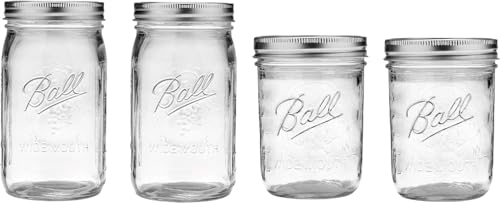
Ball Wide Mouth Mason Jars (with two-piece lids)
The cheapest genuinely airtight option, on one condition: keep them out of the light.
Origin & grade: Tempered soda-lime glass with a two-piece metal lid and rubber-gasketed sealing disc; made in the USA.
Glass has two real virtues: it is inert, so it never imparts flavor, and the two-piece canning lid forms a genuinely tight seal. The catch is light, the enemy people most often ignore because the damage is invisible until you taste it.
If you want the look of glass on display, accept that it is for tea you will drink within a few weeks, or choose amber/cobalt jars that filter some light. For everyday cupboard storage of black, herbal, and forgiving teas, a flat of wide-mouth Ball jars is hard to beat on price and seal quality.
- Material
- Soda-lime glass
- Seal
- Two-piece metal canning lid
- Light protection
- None (clear)
- Best use
- Inside a dark cupboard
What we like
- Genuinely airtight seal
- Chemically inert, no flavor transfer
- Very inexpensive per jar
- Easy to clean and reuse
Worth noting
- No light protection at all
- Heavy and breakable
- Two-piece lid is fussier day to day
Who should buy it: Budget-minded drinkers and bulk buyers who have cupboard space and will keep the jars out of the light.
What we don't like: Clear glass offers zero light protection; heavy and breakable; the two-piece lid is fiddlier than a single screw cap for daily use.
Bottom line: A Mason jar with its two-piece lid is properly airtight and chemically inert, which makes it one of the best values in tea storage, with one hard rule attached: glass lets light through, so it must live inside a closed cupboard. Used that way, it is excellent. Used on an open shelf, it slowly bleaches your tea.
05 · Looks on the counter without sacrificing the seal
Best-looking caddyKilo Stainless Steel Tea Caddy Tin with Airtight Lid
A classic double-lid caddy that earns its counter spot because it is opaque and seals well.
Origin & grade: Stainless steel construction with an inner airtight lid and outer cap; traditional caddy form.
The traditional caddy shape persists for a reason: it pairs an opaque body with a two-lid seal, which is exactly the combination delicate tea needs. That makes it the rare attractive container you can genuinely leave on the counter without punishing the leaf, provided it is not right beside the stove or in direct sun.
The seal is good but not vacuum-grade, so treat it as a few-months container rather than long-term archival storage. For a single house tea you go through steadily, it is ideal: handsome, light-proof, and quick to open.
- Material
- Stainless steel
- Seal
- Inner airtight lid + outer cap
- Light protection
- Fully opaque
- Style
- Traditional caddy
What we like
- Fully opaque, counter-safe for light
- Two-lid seal
- Attractive traditional look
- Fast to open and close daily
Worth noting
- Not vacuum-tight
- Still must avoid heat and direct sun
- Single tea per caddy
Who should buy it: People who want their tea visible and handsome on the counter but still properly protected from light.
What we don't like: Friction-fit inner lid is good, not vacuum-tight; counter placement still requires keeping it away from heat and sun.
Bottom line: If you want something that looks good left out, a traditional steel tea caddy is the right way to do it, because unlike a glass jar it is fully opaque. The inner airtight lid plus outer cap give a respectable seal. It is the answer for people who refuse to hide their tea in a cupboard.
The four enemies of tea freshness
Every storage decision comes down to defending against four things, plus a frequent fifth. Understand these and you can evaluate any container or location yourself.
1. Oxygen (air). Oxygen drives the slow oxidation that flattens flavor. This is why an airtight seal is the most important single feature, and why minimizing headspace, the empty air above the leaf, matters as the container empties.
2. Light. Light, especially direct sun and UV, degrades chlorophyll and aromatic compounds. It is the most underrated enemy because the damage is invisible until you taste it. Opaque containers and dark cupboards beat clear jars on sunny shelves every time.
3. Heat. Warmth accelerates every chemical reaction that ages tea, and it speeds the evaporation of those volatile aromatics. The cabinet above the stove, the top of the refrigerator, and a sunny windowsill are the three worst spots in most kitchens.
4. Moisture. Tea is hygroscopic; it pulls water from humid air. Dampness dulls flavor and, in the worst case, invites mold. This is the real reason the fridge is a trap: temperature swings cause condensation.
5. Foreign odors. Tea readily absorbs surrounding smells. Stored near coffee, spices, or cleaning products, it will taste like them. Strong teas can also taint mild ones, which is why isolating teas in separate sealed containers is good practice.
How long different teas actually last
Shelf life depends heavily on type, because oxidation level at the time of processing determines how much room a tea has left to degrade. The less oxidized the tea, the more fragile it is.
Green and white teas (most fragile): best within 6 to 12 months. These are minimally oxidized, so they have the most freshness to lose. Drink them young; this is the category where storage discipline pays off most.
Lightly oxidized oolongs (e.g., green/floral oolongs): roughly 1 year. Treat them closer to green tea than black.
Black teas and darker, roasted oolongs (forgiving): 1 to 2 years, often longer. Higher oxidation means they are already stable, so they tolerate imperfect storage better than any other category.
Pu-erh and aged white teas (the exceptions): these can improve with age over years when stored properly, which for pu-erh means some airflow and stable humidity rather than a hard vacuum. They follow different rules from the freshness-first teas above.
Herbal and tisanes (varies): most dried herbal blends hold for 1 to 2 years; those high in delicate floral or citrus notes fade faster, while sturdy roots and barks last longer. Note these are not true tea (no Camellia sinensis), but the same four enemies apply.
A practical rule across all types: tea rarely becomes unsafe, it becomes boring. The dates above are about flavor, not safety.
Where to put the container
The best container in the wrong spot still loses. Aim for a cool, dark, dry, odor-neutral location, which in most homes is an interior cupboard or a dedicated drawer away from the cooking zone.
Avoid: the cabinet directly above or beside the stove (heat and steam), the windowsill or any sunlit shelf (light and heat), the top of the refrigerator (warm and humid), and anywhere near coffee, spices, or cleaning products (odor transfer).
Prefer: an interior pantry or cupboard at stable room temperature, ideally on a middle shelf away from appliances that radiate heat. A pantry that stays cool and dry year-round is close to ideal.
Two cheap habits extend life further. First, buy in amounts you will finish in a few months so the container is rarely sitting half-empty and full of air. Second, scoop with a clean, dry spoon and reseal promptly; never tip a wet spoon or fingers into the tin, because that introduces moisture directly onto the leaf.
Key terms
- Oxidation
- The chemical reaction between oxygen and the tea leaf's compounds. It is what turns a green leaf into black tea on purpose during processing, and what makes any finished tea taste stale over time when exposed to air.
- Volatile aromatics
- The fragile aroma molecules responsible for a tea's scent and high notes. They evaporate readily, which is why an open or poorly sealed tea loses its 'top end' first and tastes flat.
- Headspace
- The empty air gap between the tea and the lid inside a container. More headspace means more oxygen contact, which is why a small full tin protects better than a large half-empty one.
- Hygroscopic
- Describes a material that readily absorbs moisture from the air. Tea is hygroscopic, so humidity and condensation degrade it quickly and can even cause mold in extreme cases.
- One-way valve
- A degassing valve that lets gases escape a sealed container without letting outside air back in. Common on coffee storage and useful for bulk tea.
Questions, answered
Can I just leave tea in the bag it came in?
For a week or two, yes; for months, no. The resealable foil pouches that good tea ships in are excellent for transit and short-term use, but the zip seal rarely stays fully airtight after repeated openings, and a half-empty bag is full of oxygen. If you will finish the bag within a couple of weeks, leaving it is fine. Beyond that, transfer the tea to an opaque, airtight container for the noticeable difference in how long the flavor holds.
Should I store loose-leaf tea in the refrigerator or freezer?
Not for everyday tea. Every time you open a cold container, warm room air condenses moisture onto the leaf, and moisture is one of the four enemies of freshness. Tea also absorbs fridge odors readily. The only real exception is unopened, factory-vacuum-sealed green tea bought for long-term storage, which can go in the freezer but must reach full room temperature before you open it. For tea you drink regularly, a cool, dark cupboard is better than the fridge.
Are clear glass jars bad for storing tea?
They are airtight and inert, which is good, but they offer zero light protection, which is bad for delicate teas. Light degrades the aromatic compounds in green and white teas even though the damage is invisible until you taste it. Glass jars are a fine choice if you keep them inside a closed cupboard, or if you use amber or cobalt glass that filters light. For open-shelf display, choose opaque steel instead, or reserve the clear jars for forgiving black and herbal teas you will drink quickly.
How long does loose-leaf tea stay fresh?
Stored airtight, opaque, cool, and dry, green and white teas are best within 6 to 12 months, lightly oxidized oolongs about a year, and black teas and dark roasted oolongs hold 1 to 2 years or more. Pu-erh and aged white teas are exceptions that can improve over years with the right storage. Tea rarely becomes unsafe; it just becomes flat and papery. These windows are about flavor quality, not safety.
Does loose-leaf tea expire or go bad?
Properly dried tea does not spoil like fresh food; it slowly loses flavor rather than becoming dangerous. The main genuine safety risk is moisture, which can cause mold if tea gets damp, so always keep it dry and scoop with a clean, dry utensil. If tea ever smells musty, looks clumped from humidity, or shows any visible mold, discard it. Otherwise, old tea is simply weaker and less aromatic, not harmful.
Do I need a separate container for each tea?
It is strongly recommended, because tea absorbs surrounding aromas and strong teas can taint milder ones. A smoky lapsang souchong or a heavily scented earl grey will bleed flavor into a delicate green tea if they share space or sit in the same cupboard unsealed. Sealed individual containers also let you minimize headspace per tea and track each one's age. This is exactly why tin sets sold in fours are popular for home use.
What is the single most important factor in keeping tea fresh?
An airtight, opaque container in a cool, dark, dry place; that one move addresses three of the four enemies at once. If you do nothing else, get your tea out of clear jars and off sunny or stove-adjacent shelves, and into a sealed opaque tin in an interior cupboard. After that, buying smaller quantities you finish within a few months is the highest-impact habit, because it limits how long any tea sits exposed to air.
Filed under Explainer
By Justin Park